
Tikal Ruins: Everything You Need to Know for Your Visit
If you've typed "Tikal Ruins" into your search bar, you're not just looking for information; you're on the cusp of a profound journey. Tikal isn't merely a collection of old stones but instead a vibrant, living testament to an ancient civilization, waiting for you to uncover its secrets. This guide is your compass, designed to equip you with everything you need to know to make your visit to this magnificent UNESCO World Heritage site unforgettable and how best to travel there.
When visiting Tikal with Global Basecamps, you can rest assured that every aspect of your trip will be accounted for, from the most central and authentic accommodations, to expert local guides and insider knowledge and tips on how to make your Tikal tour unforgettable.
Get the most out of your travels with us, Request a Quote Today!
A Journey Back in Time: Discover Tikal
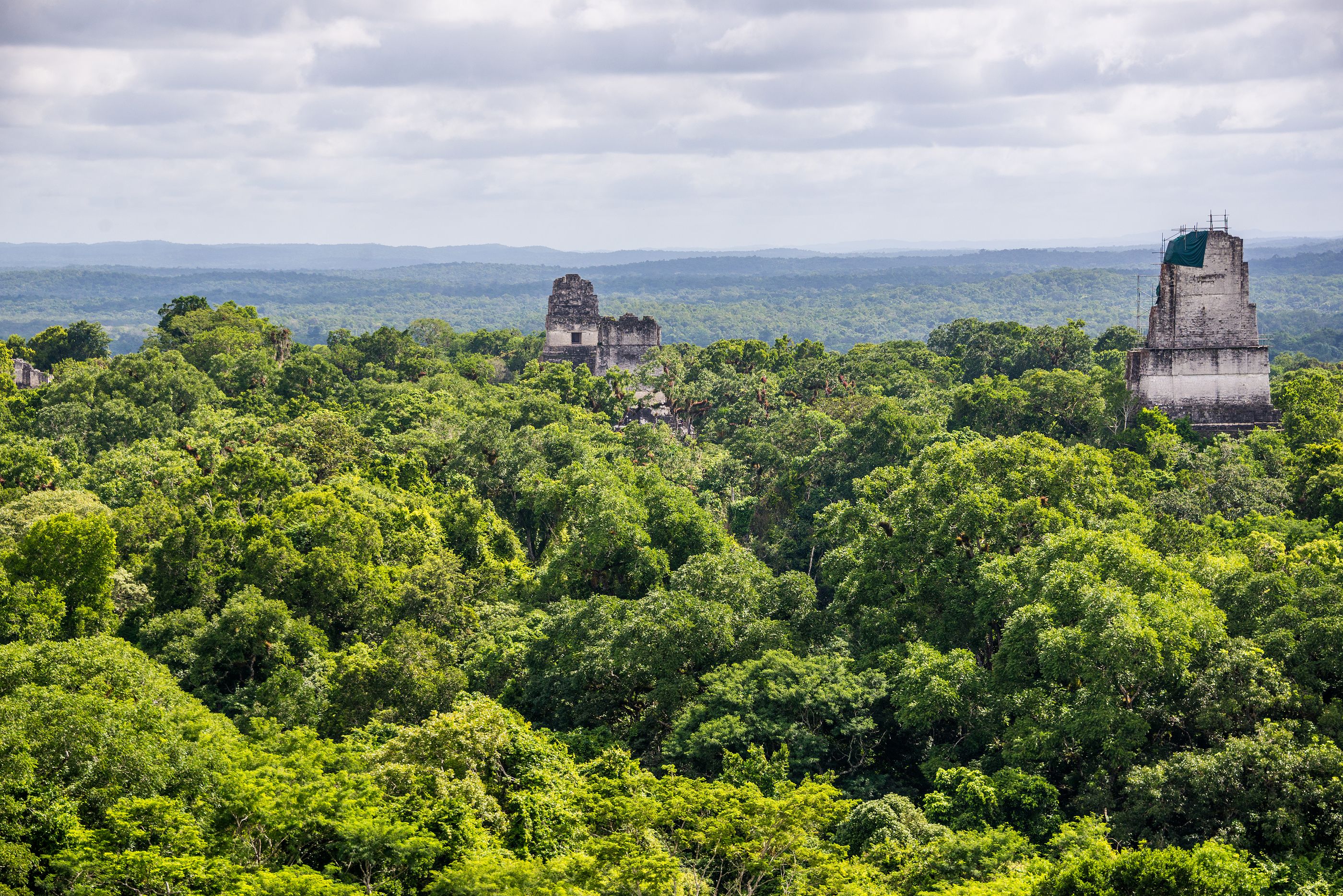
Imagine standing amidst towering pyramids, enveloped by the encompassing jungle found in the highlands of Guatemala, and feeling the whispers of a Mayan civilization that thrived over a thousand years ago. What you’re imagining is Tikal.
What Makes Tikal So Special?
What sets Tikal apart isn't just its size (though it's one of the largest archaeological sites and urban centers of the pre-Columbian Maya civilization), it's the combination of both monumental architecture and the pristine natural setting within Tikal National Park. Unlike some ruins that feel more like open-air museums, Tikal is still very much integrated within the dense rainforest, offering another magical element to an already immersive experience. Instead of only experiencing the ruins, you also experience howler monkeys, toucans, and jaguars that still call this ancient city home. You’ll feel like you’re stepping into an Indiana Jones movie!
Consider visiting Tikal and surrounding area for at least three days, such as in our Authentic Explorer , to get the most out of your experience.
Brief History of Tikal
The story of Tikal is one of power, innovation, and mystery. Flourishing primarily between 200 to 900 AD, it was a dominant political, economic, and military force in the Mayan world. Its origins stretch back to the 4th century BC, but it was during the Classic Period that Tikal reached its zenith. It’s estimated the city had a population of 90,000, and was governed by powerful dynasties who engaged in complex rituals, advanced astronomy, and intricate writing systems. The iconic temples you'll soon stand before were not just religious structures but also funerary monuments for its greatest rulers. Then, around the 9th century AD, like many other great Mayan cities, Tikal experienced a rapid decline, eventually being abandoned and reclaimed by the jungle, its grandeur lost to time until its "rediscovery" in the 19th century.
Planning Your Visit: Practical Information
Now that you know a bit more about the history of Tikal and these Mayan ruins, let's get down to the practicalities. A well-planned visit ensures you can focus on soaking in the wonder, not the logistics. From the entrance fee to the best day tour (either a half day tour or full day), which jungle lodge to choose and making sure your room is air conditioned (the highlands are known for humidity!), you can trust in our expert guide to help you make the best of your time here.
Getting There: Transportation Options
Tikal is located in the Petén Basin of northern Guatemala. Most visitors fly into Flores (FRS), the nearest major airport. From Flores, it's about a 1.5-hour drive to the park entrance. When booking with Global Basecamps, we ensure that you get from each destination to the next seamlessly, with experienced drivers and also accompanied by your guide, so your tour starts as soon as you touch down and your transitory worries are non-existent.
Best Time to Visit Tikal
The dry season, from November to May, offers the most pleasant weather with less humidity and virtually no rain. This also means it's peak tourist season. If you prefer fewer crowds and don't mind a bit of rain, the shoulder months of May/June or October/November can be excellent, though you'll contend with higher humidity. Early mornings are always best, not just for the cooler temperatures, but also to experience the park as the jungle awakens, often before the main crowds arrive.
Opening Hours and Admission Fees
Tikal National Park typically opens at 6:00 AM and closes at 6:00 PM. Standard admission is around 150 Guatemalan Quetzales (GTQ) for foreigners. Keep in mind that special sunrise (before 6 AM) or sunset (after 6 PM) tickets are separate and require an additional fee, often around 100 GTQ, and you usually need a guide for these. When booking your tour with Global Basecamps, we include your admission in your trip package and your guide will take care of securing tickets for whichever tour you choose, making the experience seamless. You just have to show up!
What to Bring: Essential Packing List
Think comfort and practicality. You'll be doing a lot of walking, often up and down ancient steps.
- Comfortable Walking Shoes: Non-negotiable. Sturdy, closed-toe shoes with good grip are ideal.
- Lightweight Clothing: Breathable fabrics like cotton or linen are best for the tropical climate.
- Rain Gear: A lightweight rain jacket or poncho, even during the dry season, is a wise precaution.
- Insect Repellent: The jungle is teeming with life, including mosquitoes.
- Sun Protection: Hat, sunglasses, and high-SPF sunscreen.
- Water Bottle: Stay hydrated! There are some vendors, but having your own is key.
- Snacks: While there's a small restaurant, packing a few energy bars is smart.
- Camera: You'll want to capture the magic.
- Binoculars: Excellent for spotting wildlife in the canopy.
- Small Backpack: To carry all your essentials.
Exploring the Ruins: A Self-Guided Tour
Now for the heart of the matter: exploring Tikal itself. While a map is helpful, let intuition guide you. While we recommend at least one day for a guided tour , self-exploration is also encouraged. With this guide, you’ll be set to make the most of your solo time amongst Tikal’s stunning Mayan Ruins.
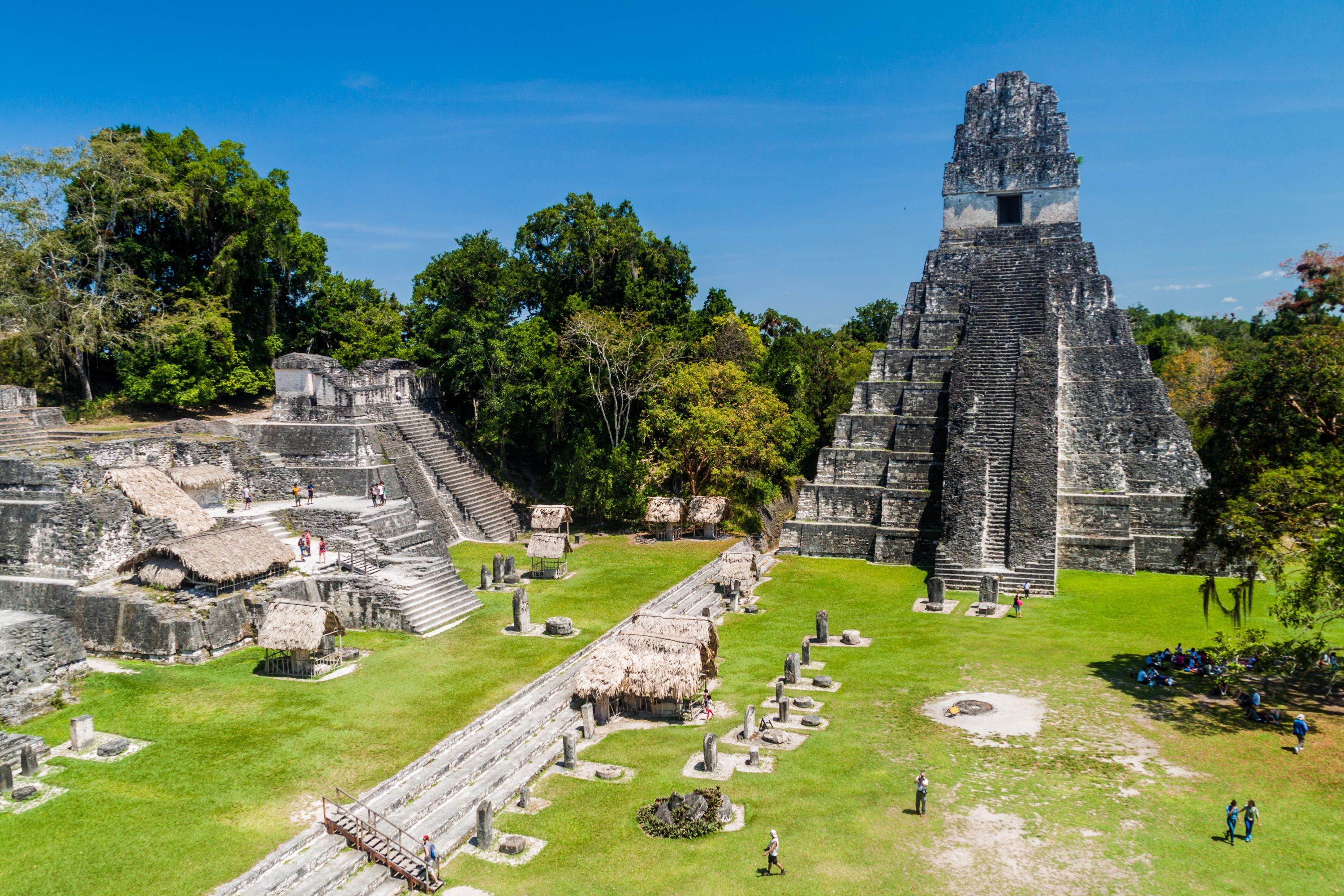
- The Great Plaza: This is the iconic heart of Tikal, flanked by the majestic Temple I (Temple of the Great Jaguar) and Temple II (Temple of the Masks), facing each other across the plaza. Standing here, you truly feel the scale of the ancient city. Temple I is a funerary pyramid for Jasaw Chan K'awiil I, a powerful ruler.
- North Acropolis: An incredibly dense complex of temples and tombs, showcasing centuries of Mayan construction and renovation.
- Central Acropolis: A labyrinthine palace complex where Tikal's rulers likely lived and governed. Its courtyards and intricate rooms offer a glimpse into their daily lives.
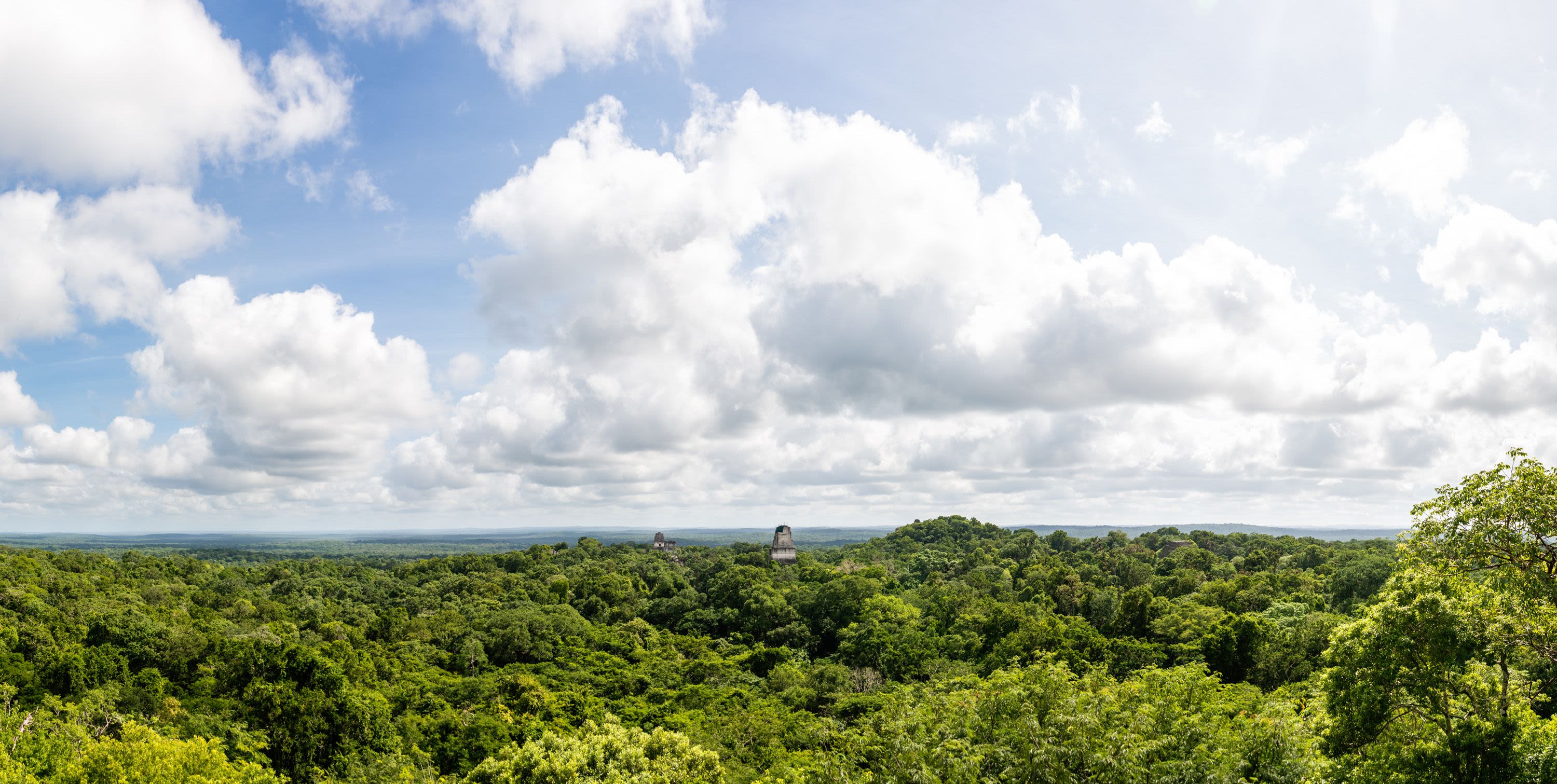
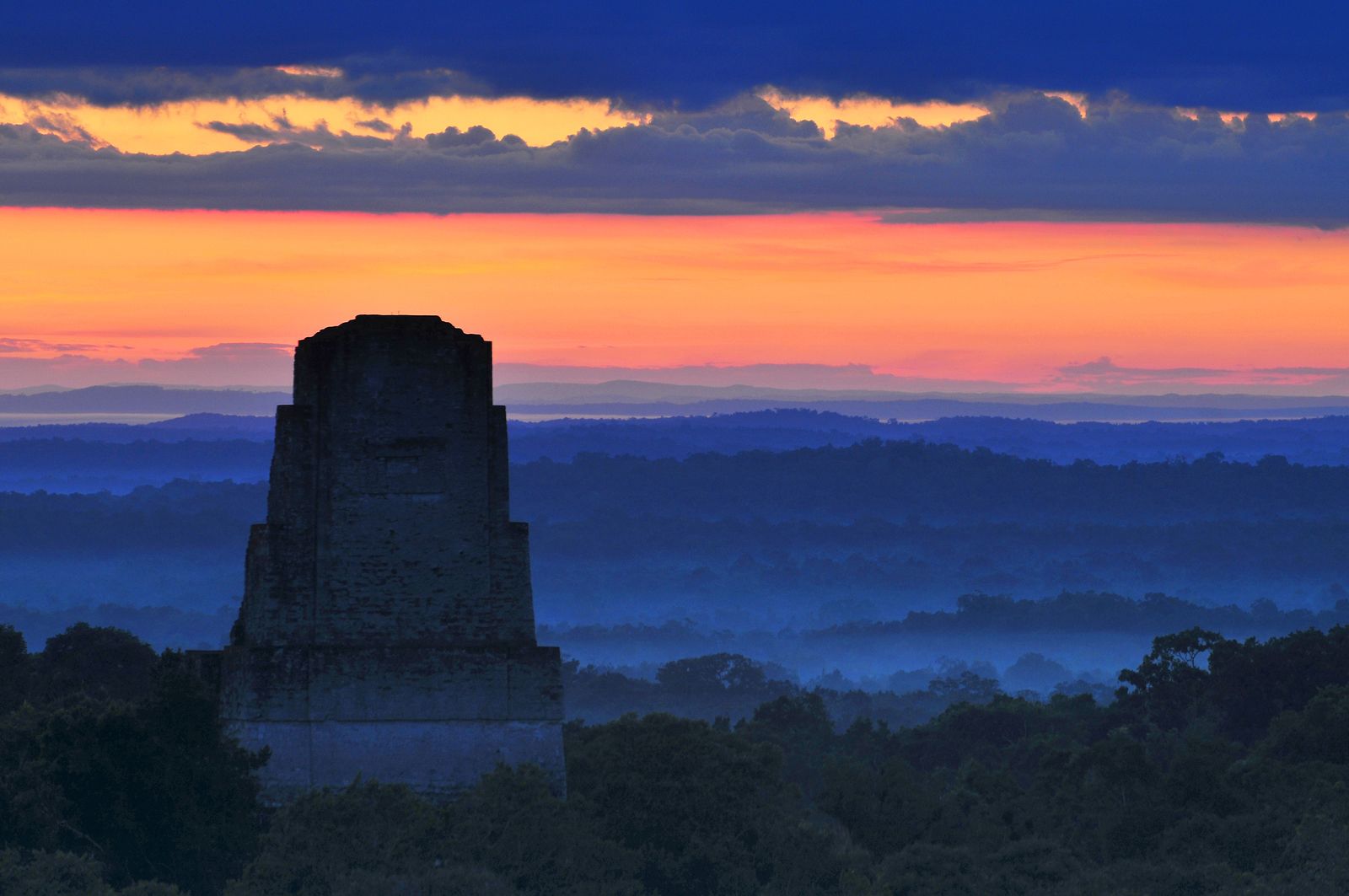
- Temple IV (Temple of the Double-Headed Serpent): The tallest structure in Tikal, soaring over 70 meters high. The climb to the top is rewarding, offering breathtaking panoramic views of the jungle canopy punctuated by the peaks of other temples. This is where many iconic photos are taken.
- Temple V: Another impressive funerary temple, offering a different perspective of the Great Plaza.
- Lost World Complex (Mundo Perdido): One of Tikal's oldest astronomical complexes, featuring the Great Pyramid and a series of smaller temples aligned to track solstices and equinoxes.
Custom Guatemala Tours
Tikal's Wildlife: What to Spot
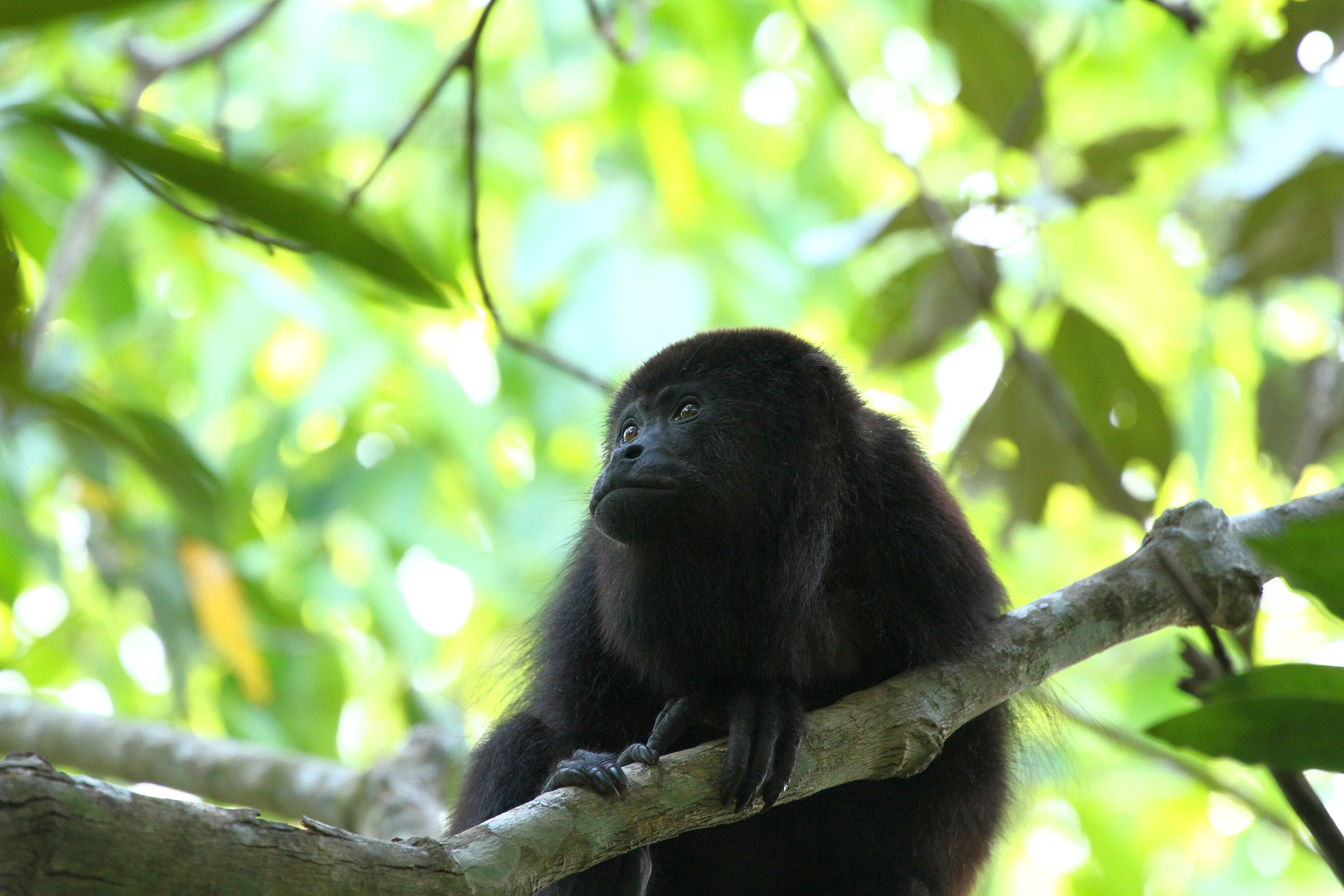
Remember, Tikal is a national park first and foremost. Keep your eyes and ears open!
- Howler Monkeys: Their booming calls will be your constant jungle soundtrack. Look up to spot them in the trees.
- Spider Monkeys: More agile and playful, often seen swinging through the canopy.
- Toucan: Their vibrant beaks are unmistakable.
- Parrots and Macaws: Listen for their squawks and look for flashes of color.
- Coatis: These raccoon-like creatures are often seen foraging on the forest floor.
- Ocellated Turkeys: A distinct, colorful turkey endemic to the Yucatán Peninsula. While rare, jaguars, pumas, and tapirs also inhabit the park, though spotting them requires immense luck.
Guided Tours vs. Independent Exploration
This is a key decision.
- Guided Tours: An (expert, local) guide offers invaluable context, weaving stories of rulers, rituals, and astronomical insights. They can also help spot wildlife you might otherwise miss. If you're a history buff or prefer detailed explanations, prioritizing guided tours is highly recommended.
- Independent Exploration: If you prefer to wander at your own pace for some of your time in Tikal National Park to soak in the atmosphere in silence and interpret things through your own lens, a self-guided tour is worth including as well! We recommend multiple days in Tikal, beginning with a guided tour and then having another full or half day for self-guided exploration.
Beyond the Temples: Activities and Experiences
Tikal offers more than just daytime temple exploration.
Sunrise and Sunset Tours
These are magical experiences. Imagine watching the sun rise over the jungle canopy from the top of Temple IV, the ancient city slowly emerging from the mist as howler monkeys chorus their greetings. Sunset offers a similar, equally dramatic spectacle, painting the sky in fiery hues as the jungle prepares for night.
Exploring the Jungle Trails
Don't just stick to the main paths. Tikal is crisscrossed with numerous trails that lead through dense rainforest, offering chances to spot more wildlife and discover smaller, unexcavated ruins. These trails can be incredibly peaceful, a perfect counterpoint to the more bustling main plazas.
Nearby Attractions and Day Trips
If you have extra time, consider:
- Yaxhá: Another impressive Mayan site situated between two lakes, offering stunning sunset views (check ours out here ). It’s smaller than Tikal but often less crowded.
- Ixpanpajul Nature Park: Closer to Flores, this park offers zip-lining, suspension bridges, and horseback riding.
- Flores: The charming island town itself is worth exploring, with colorful buildings, lakeside restaurants, and a relaxed atmosphere.
Accommodation and Dining Near Tikal
Your adventure needs a comfortable base and delicious fuel.
Hotels and Lodges
You have a few choices depending on your preference:
- Inside the Park: A handful of lodges are located just outside the main gate, offering the advantage of being able to enter the park early or stay late without a long commute. Options like the Jungle Lodge Tikal or Hotel Tikal Inn provide basic but comfortable accommodation.
- Flores/Santa Elena: The most popular base, offering a wide range of hotels, guesthouses, and hostels to suit every budget, along with all amenities.
- El Remate: A laid-back, eco-conscious village on the shores of Lake Petén Itzá, about halfway between Flores and Tikal. It offers a quieter, more rustic experience with charming guesthouses.
Local Cuisine and Restaurants
Guatemalan food is hearty and flavorful.
- In the Park: There's a basic restaurant near the visitor center, offering typical Guatemalan dishes like pollo a la plancha (grilled chicken), rice, and beans.
- Flores/El Remate: You'll find a much wider variety, from traditional pepián (a rich, savory stew) and tamales to fresh fish from the lake. Don't miss trying some freshly squeezed fruit juices.
Ready to Explore an Ancient Wonder?
Tikal isn't just a destination but rather an experience that will stir your imagination and leave an indelible mark on your soul. It’s where history, nature, and mystery converge in a breathtaking spectacle. So, pack your bags, prepare your spirit for adventure, and get ready to walk among giants, both natural and man-made, in one of the world's most incredible archaeological sites.
Your journey back in time awaits! Create memories that will last a lifetime with Global Basecamps. Reach out today for your Guatemala travel quote.
Start Planning