

Tanzania Travel Guide:
Experiences and Tips from the Ground
So, you’ve seen the photos of the Great Migration, thousands of wildebeest thundering across the Mara River between Tanzania and Kenya, and you’ve imagined sunsets over Zanzibar’s turquoise waters. It’s the kind of destination that sparks something deeper than a typical vacation, offering a true pinnacle of adventure travel along the shores of the Indian Ocean.
But beyond the iconic images, what does it actually feel like to be there?
That’s where this guide comes in. Consider this your insider look at the beauty, rhythm, and real-world experiences of those who visit Tanzania, so you can arrive informed, confident, and ready to fully enjoy every moment.
Feeling inspired to experience Tanzania for yourself? Global Basecamps is here to help you turn that inspiration into a seamless, personalized journey. Plan Your Tanzania Adventure now!
Why Tanzania? Setting the Scene for an Untamed Adventure
Tanzania is often described as one of East Africa’s most iconic destinations, and for good reason. It offers an incredible range of experiences, from the vast plains of the Serengeti to the spice-scented shores of Zanzibar.
While many travelers come for the wildlife, what stays with you is the atmosphere, a place where tradition and modern life exist side by side. You might see a Maasai herder walking alongside cattle as the sun rises, or explore vibrant markets filled with local crafts and fresh produce.
From the summit of Kilimanjaro to the coastal breezes of Zanzibar , Tanzania is a destination that invites you to slow down, stay present, and experience something truly meaningful.

The Reality of Touching Down: First Impressions vs. Expectations
Arrival in Tanzania
Arriving in Tanzania is the beginning of the adventure. Whether you land at Kilimanjaro International Airport (JRO) or in Dar es Salaam, your first moments offer a glimpse into the rhythm of the country.
Navigating Your Arrival
At Kilimanjaro International Airport, the process is straightforward, though it can take a bit of time depending on arrival traffic. Many travelers find it helpful to apply for an e-visa in advance to satisfy entry requirements, allowing for a smoother experience upon arrival.
If you arrive in Dar es Salaam, you’ll step into a lively, energetic city that offers a different perspective on Tanzania, one filled with movement, culture, and coastal charm.
Getting Your Bearings
In places like Arusha, you’ll quickly notice how welcoming and engaging the atmosphere is. Locals are friendly and curious, often greeting visitors with warmth and enthusiasm.
As with any destination, it’s best to arrange tours and experiences through trusted operators, not only for peace of mind, but to ensure a higher-quality, more seamless experience throughout your journey.
A simple, polite “no thank you” goes a long way if you’re approached, and you’ll find that moving with confidence helps you settle in quickly.
The Safari Experience: What Makes It So Special
A safari in Tanzania is unforgettable, not just because of the wildlife, but because of how immersive the experience feels.

The "Northern Circuit" vs. The "Southern Circuit"
The Northern Circuit, typically including Tarangire National Park, Lake Manyara and the Great Rift Valley, the Ngorongoro Crater, and the Serengeti, is Tanzania’s most popular safari route. It offers an incredible diversity of landscapes and some of the highest wildlife density in Africa, making it an ideal introduction for first-time safari-goers.
For those seeking a more remote and off-the-beaten-path experience, the southern parks offer a quieter, more untamed feel, with vast open spaces, fewer vehicles, and a stronger sense of exploration.
Both circuits offer something extraordinary, it simply depends on the type of experience you’re looking for.
Life on Safari
Days on safari are spent exploring, observing, and taking in the rhythm of the natural world. You’ll travel across open landscapes, stop for wildlife sightings, and enjoy moments that feel completely removed from everyday life.
The roads can be rugged, but that’s part of the adventure, and part of what allows you to access such incredible, untouched places. Bringing a light scarf or buff can help keep you comfortable during longer drives.
Where You Stay
Tanzania offers a wide range of accommodations, from beautifully designed luxury lodges to more immersive tented camps. Luxury lodges provide comfort, incredible views, and seamless service, often set in spectacular locations.
Tented camps, on the other hand, offer a closer connection to the environment. Falling asleep to the sounds of the bush and waking up to the morning light filtering through your tent is an experience many travelers describe as unforgettable.
Want to experience Tanzania’s most iconic safari for yourself?
Our Northern Circuit Wildlife & Migration Safari is designed to showcase the very best of the Serengeti, Ngorongoro Crater, and beyond, timed to witness the Great Migration during calving season, when wildlife activity is at its peak.

Ethical Wildlife Viewing: How to Spot a Responsible Operator
The demand for the "perfect photo" has led to some questionable behavior. You might see drivers racing toward a cheetah or crowding a mother elephant. A responsible operator will:
- Keep a respectful distance (usually 25-30 meters).
- Never drive off-road (except in specific designated areas).
- Turn off the engine when parked near animals.
- Limit the number of vehicles at a single sighting.
Before booking, ask the company about their "Ethical Viewing Policy" and if they don't have one, keep looking.
Climbing Kilimanjaro: A Journey Worth Taking
Kilimanjaro is one of the world’s most iconic treks, and while it doesn’t require technical climbing skills, it is a meaningful physical and mental challenge.
Understanding the Experience
Success on Mount Kilimanjaro is less about fitness and more about pacing. The guiding philosophy is “Pole Pole”, slowly allowing your body time to adjust to the altitude.
With the right preparation and guidance, many travelers successfully reach the summit.
The Reward Along the Way
The journey itself is just as memorable as the summit. You’ll pass through multiple ecosystems, from lush rainforest to alpine desert, each offering a different perspective.
Clear night skies, quiet moments on the trail, and the sunrise from above the clouds all contribute to an experience that stays with you long after you return home.
Explore Tanzania Safaris
Zanzibar: A Perfect Coastal Escape
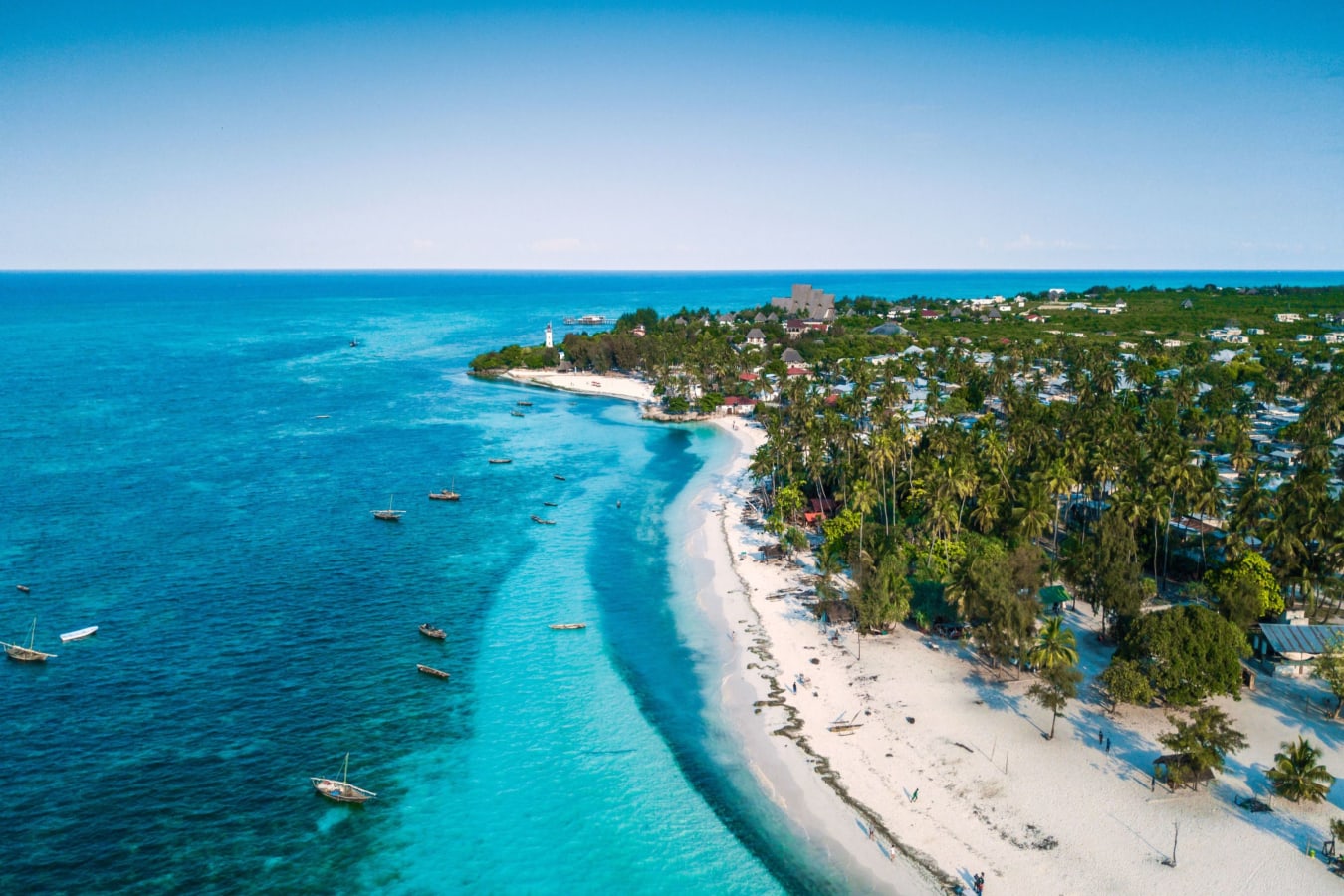
The Zanzibar Archipelago offers a beautiful contrast to safari and trekking, a place to relax, reflect, and explore.
Stone Town: A Maze of Culture and History
Stone Town is rich in history and culture, with winding alleyways, carved wooden doors, and a vibrant local atmosphere.
Getting lost here is part of the experience, you’ll discover small shops, local cafés, and stunning ocean views along the way.
Embracing Local Culture
Zanzibar is a culturally rich and predominantly Muslim island. Dressing respectfully in towns and villages is appreciated and helps create more meaningful interactions.
A simple scarf or light covering is all it takes to feel comfortable and respectful in different settings.
Looking to combine safari, culture, and coast in one unforgettable journey?
Our Tanzania Beyond the Big Five: Uganda, Tanzania & Spice Island itinerary brings together iconic wildlife experiences, meaningful cultural encounters, and time to unwind on Zanzibar’s beautiful shores.Safety and Comfort: Traveling with Confidence
Is Tanzania safe? For most travelers, the answer is yes, especially when you travel with awareness and a bit of preparation.
Tanzania is known for its welcoming culture and genuine hospitality. Visitors are often met with friendliness, curiosity, and a strong sense of community.

Solo Travel in Tanzania
Tanzania is a great destination for solo travelers, including women. You’ll likely receive plenty of greetings and attention, often simply out of curiosity or friendliness.
If any interaction feels too persistent, a polite but direct response is perfectly acceptable, and you can always seek assistance from the local police if necessary.
Simple Ways to Stay Comfortable and Secure
As with any destination, securing comprehensive travel insurance and practicing a few thoughtful habits go a long way:
- Keep valuables stored securely when not in use
- Use a small day bag and keep important items tucked away
- Use taxis or ride apps in the evening rather than walking in unfamiliar areas
These are simple, common-sense practices that help ensure a smooth experience, even in areas that might otherwise feel high-risk to an unfamiliar traveler.
Health and Hygiene: Beyond Just the Yellow Fever Jab
With a bit of preparation regarding healthcare, traveling in Tanzania is very manageable and comfortable.
Malaria prevention, such as taking antimalarial medication and using insect repellent, is commonly recommended, and most accommodations provide mosquito nets for added protection.
The dry climate on safari can take some getting used to, so staying hydrated and bringing a few small comfort items, like lip balm or saline spray, can make a noticeable difference.
Overall, a little preparation allows you to focus on enjoying the experience fully.
Travel Style: Solo vs. Guided Experiences
While independent travel is possible, many travelers find that working with a guide or operator enhances the overall experience.
Having local expertise simplifies logistics, adds depth to what you’re seeing, and allows you to move through the country more comfortably.
For those looking for a balance, shared or “join-in” safaris offer a great way to experience Tanzania while meeting other travelers along the way.
The Digital Nomad in Tanzania: Connectivity and Infrastructure
Tanzania offers enough connectivity for most travelers to stay in touch, while still allowing you to disconnect when you want to.
SIM Cards and Data: Keeping the Connection Alive
Purchasing a local SIM card is one of the easiest ways to stay connected. Coverage is generally reliable in cities and many safari regions, and data packages are affordable and easy to set up.
Power and Charging
Some lodges operate on generators or solar power, which may run during certain hours, part of what keeps these places remote and environmentally conscious.
Bringing a portable power bank ensures you can keep devices charged without worry.
Many higher-end properties are also beginning to offer faster internet options, making connectivity easier than ever in select areas.
Eating in Tanzania: From Street Food to Safari Brunches
Food in Tanzania is hearty, filling, and rarely spicy (except in Zanzibar).

Ugali, Nyama Choma, and Chips Mayai: A Taste of the Local Diet
- Ugali: The national staple. It’s a stiff maize porridge, similar to polenta but denser. You eat it with your right hand, rolling it into a ball and using it to scoop up stews or beans. It’s an acquired taste, but incredibly filling.
- Nyama Choma: Grilled meat (usually goat or beef). It’s chewy, smoky, and delicious when paired with a cold Safari or Kilimanjaro beer.
- Chips Mayai: A French fry omelet. It’s the ultimate comfort food and can be found on almost every street corner for about $1.
Vegetarian and Vegan in Tanzania: Is it Possible?
Surprisingly, yes. While the culture is meat-centric, the local diet relies heavily on beans (maharage), lentils, spinach (mchicha), and coconut milk. In Arusha and Zanzibar, you’ll find plenty of vegetarian options. On safari, simply inform your cook or lodge in advance; they are used to catering to dietary restrictions.
Water Safety: The Golden Rules for Your Stomach
Never drink the tap water. Even for brushing your teeth, many travelers prefer using bottled or filtered water. Avoid ice in drinks unless you’re at a high-end lodge that makes its own ice from purified water.
The good news: on a well-organized safari, filtered drinking water is typically provided both in your safari vehicle and at your camp or lodge, so staying hydrated is easy and safe throughout your trip.
Environment Tip: To reduce plastic waste, bring a filtered water bottle (like a Lifestraw or Grayl) or a large 5-liter jug to keep in your safari vehicle and refill your smaller reusable bottle.
What to Pack: Functional over Fashionable
The biggest mistake people make is packing too much. If you’re taking small bush planes, you will have a strict weight limit (usually 15kg/33lbs) and you must use a soft-sided bag (duffel style).
The "Safari Palette": Why Colors Actually Matter
This isn't just about looking like Indiana Jones.
- Avoid Blue and Black: These colors attract Tsetse flies, whose bite is painful and can carry sleeping sickness (though rare in tourist areas).
- Avoid White: It will be red or brown within an hour due to the dust.
- Stick to Khaki, Olive, and Tan: They blend into the environment and hide the dirt.
- Bright Colors: Are generally okay in the cities, but avoid camouflage patterns, they are reserved for the military and can get you in trouble.

Tech and Gear: Must-Haves for the Photography Enthusiast
- Binoculars: Don't rely on your driver’s pair. Having your own 8x42 binoculars changes the experience entirely.
- Long Lens: If you’re a photographer, a 300mm lens is the bare minimum for wildlife.
- Dust Protection: Bring "dry bags" or even just pillowcases to wrap your camera gear in while driving. The dust gets into everything.
Final Words of Wisdom: Embracing the "Pole Pole" Lifestyle
The most important thing to pack for Tanzania isn't in your suitcase: it’s patience, often expressed through the local Swahili language.
In the West, we are obsessed with efficiency. In Tanzania, things take as long as they take. The car might break down, the food might take an hour to arrive, or the lions might be sleeping behind a bush for three hours.
When things go "wrong," remember the phrase "Baadae" (Later) and "Pole Pole" (Slowly). The moments when the itinerary falls apart are often when the real magic happens, a conversation with a village elder, a chance encounter with a rare bird, or a sunset that you would have missed if you were "on time."
Reader FAQ: Your Toughest Tanzania Questions Answered
QUESTION: How much should I tip my safari guide?
Tipping is a standard part of the economy. A general rule of thumb is $20-$30 per vehicle per day for the driver/guide, and $15-$20 per day for a camp cook. Always tip in TZS (Tanzanian Shillings) or USD (clean, un-torn bills).
QUESTION: Is the Great Migration worth the hype?
Yes, but only if you time it right. The herds move based on the rains, often shifting locations significantly during the rainy season. Do your research to determine the best time to visit and the best places to see where the herds are likely to be during your month of travel. If you go to the North Serengeti in February, you’ll be disappointed, the herds are in the South (Ndutu) for calving season then.
QUESTION: Can I use my credit card?
In large hotels and high-end shops, yes. But Tanzania is still very much a cash society. Always have a stash of Shillings for markets, tips, and small meals. ATMs are available in cities but are often out of cash or out of order, plan accordingly.
Ready to Start Planning Your Tanzania Adventure?
If this guide has sparked your interest, our team at Global Basecamps is here to help you turn that inspiration into a seamless, personalized journey. Start Planning Your Tanzania Adventure
Start Planning Your Tanzania Adventure