

Oslo to Bergen:
A Step-by-Step Guide to the Most Scenic Fjord Tour
Traveling from Oslo to Bergen is more than just a transit between Norway’s two largest cities; it is a pilgrimage through the very soul of the Scandinavian landscape. While a direct flight takes less than an hour, soaring over the peaks means missing the gradual, breathtaking reveal of the country’s dramatic geography. To truly understand Norway, you must feel the ground shift beneath you - from the urban sprawl of the capital to the high-mountain plateaus, and finally, deep into the emerald veins of the fjords.
This route isn't just about moving from A to B; it is an immersion into the Nordic wilderness. It’s about witnessing the transition from modern Scandinavian design to ancient glacial carvings. Whether you are a solo backpacker or a family seeking a seamless adventure, the path between these two cities offers a masterclass in how nature and engineering can coexist in perfect harmony.
Want to turn this route into a thoughtfully planned Norway journey? Global Basecamps can help you customize every part of the experience - from scenic trains and fjord cruises to handpicked accommodations and regional adventures along the way. Start planning today!

The Journey of a Lifetime: Why the Route from Oslo to Bergen is Unmissable
There are few places on earth where you can start your morning in a bustling metropolitan cafe and end your evening surrounded by 1,000-year-old Hanseatic warehouses, with a side trip through a UNESCO World Heritage fjord in between. The Oslo-to-Bergen route is unique because it compresses a continent’s worth of ecological diversity, rivaling the northern reaches of Lofoten, across Scandinavia into a single corridor.
You aren't just looking at scenery; you are experiencing the "Great Divide" of Norway. You’ll climb over the spine of the country, where the weather is dictated by the North Sea, and descend into valleys so steep that some villages don’t see direct sunlight for months out of the year. It is a journey that humbles you, reminding you of the sheer power of ice and time.
An Overview of the "Norway in a Nutshell" Route
The most famous way to experience this transition is via the "Norway in a Nutshell" itinerary. This isn't a single train or a private guided tour bus led by a local guide; rather, it is a cleverly linked chain of public transportation - trains, ferries, and buses - that allows you to traverse the most scenic parts of the country using a single ticket or a self-planned schedule.
What Makes This Journey Special?
The brilliance of this route lies in its logistical elegance. You aren't stuck behind a steering wheel, worrying about narrow mountain tunnels or sheep on the road. Instead, you are free to press your face against the glass or stand on the deck of a silent ferry. The route takes you through the Aurlandsfjord and the Nærøyfjord (the narrowest fjord in Europe), scaling the heights of the Hardangervidda plateau before dropping you into the heart of Norway’s fjords and the surrounding district. It is a highlight reel of the Norwegian fjords and the country’s greatest natural hits, played out in real-time.
Can You Do It in One Day?
Yes, you can complete the journey from Oslo to Bergen in about 12 to 14 hours. It requires an early start - usually the 6:00 AM or 8:00 AM train from Oslo Sentralstasjon - and results in a late-evening arrival in Bergen. While the "one-day dash" is popular for those on a tight schedule, it is a marathon of sightseeing compared to standard group tours or shorter day tours, especially if attempted as a round trip. If your itinerary allows, breaking the trip up with an overnight stay in the fjords allows the experience to breathe, turning a transit day into a true vacation.
Step 1: The Bergen Railway (Oslo to Myrdal)
Your adventure begins at Oslo S, the city’s central hub. The Bergen Line (Bergensbanen) is often cited as one of the most beautiful train rides in the world. As the train pulls away from the city, the urban graffiti and glass high-rises quickly give way to the rolling farmlands of Hallingdal.
Leaving the City Behind
For the first two hours, the scenery is pastoral and serene. You’ll pass deep blue lakes and dense pine forests that look like the setting of a folk tale. This is the "gentle" part of the trip. Use this time to visit the cafe carriage for a svele (a traditional Norwegian pancake) and a coffee. The windows are large, and the seats are spacious, providing the perfect theater for the unfolding landscape.
Crossing the Hardangervidda Plateau
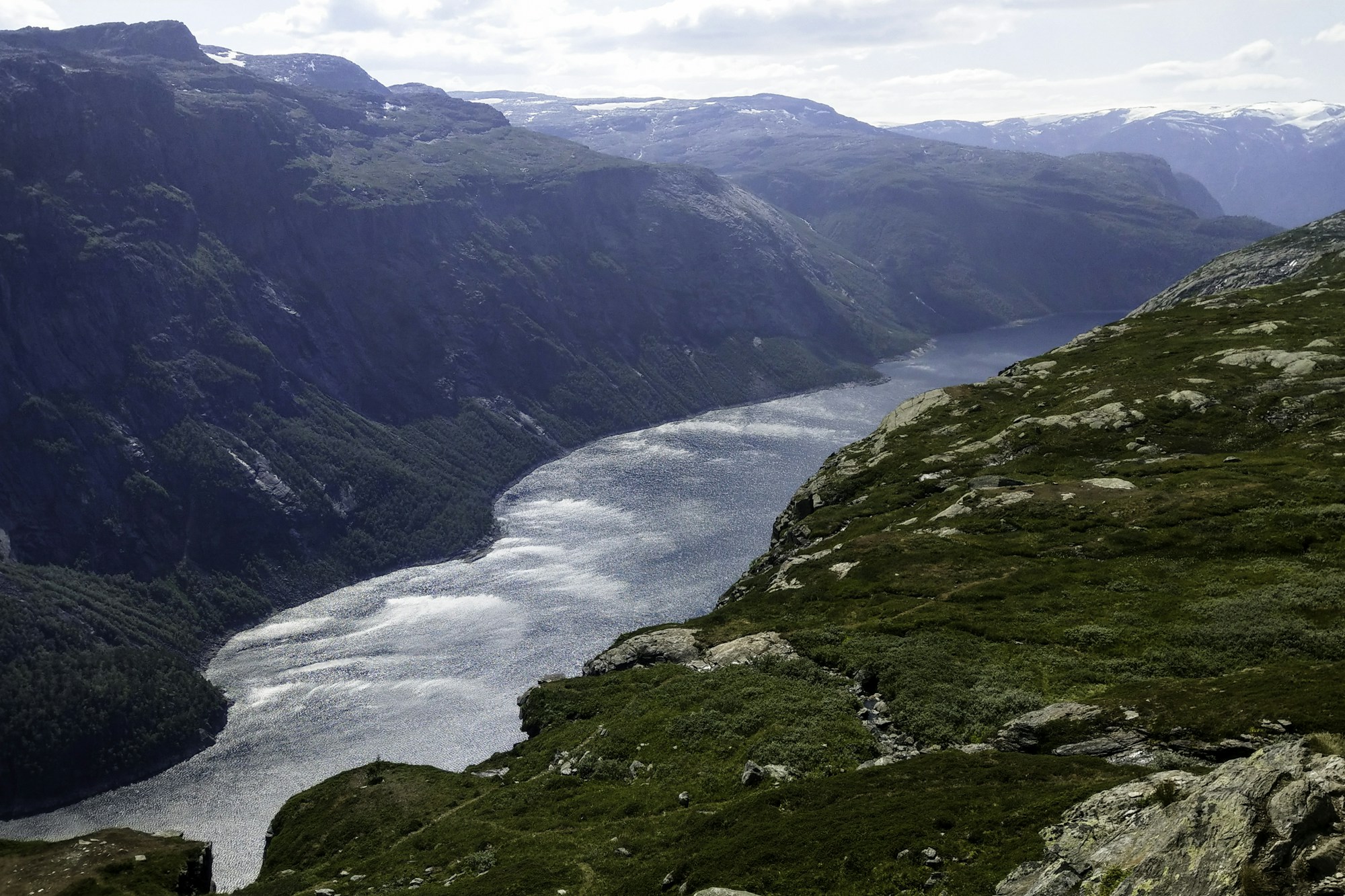
As the train climbs toward Finse - the highest station on the line at 1,222 meters above sea level - the trees disappear. You have entered the Hardangervidda, Europe’s largest high-mountain plateau. Even in mid-summer, you are likely to see patches of snow and frozen lakes. This is a desolate, moon-like landscape that served as the filming location for the ice planet Hoth in The Empire Strikes Back. It is hauntingly beautiful and provides a stark contrast to the lush greenery that awaits you at the bottom of the mountains.
Step 2: The Flåm Railway (Myrdal to Flåm)
At the mountain station of Myrdal, you will disembark from the main line to catch the Flåmsbana. If the Bergen Line is the "epic," the Flåm Railway is the "thriller." This is one of the steepest standard-gauge railways in the world, dropping nearly 900 meters in just 20 kilometers.
The World’s Most Beautiful Train Journey
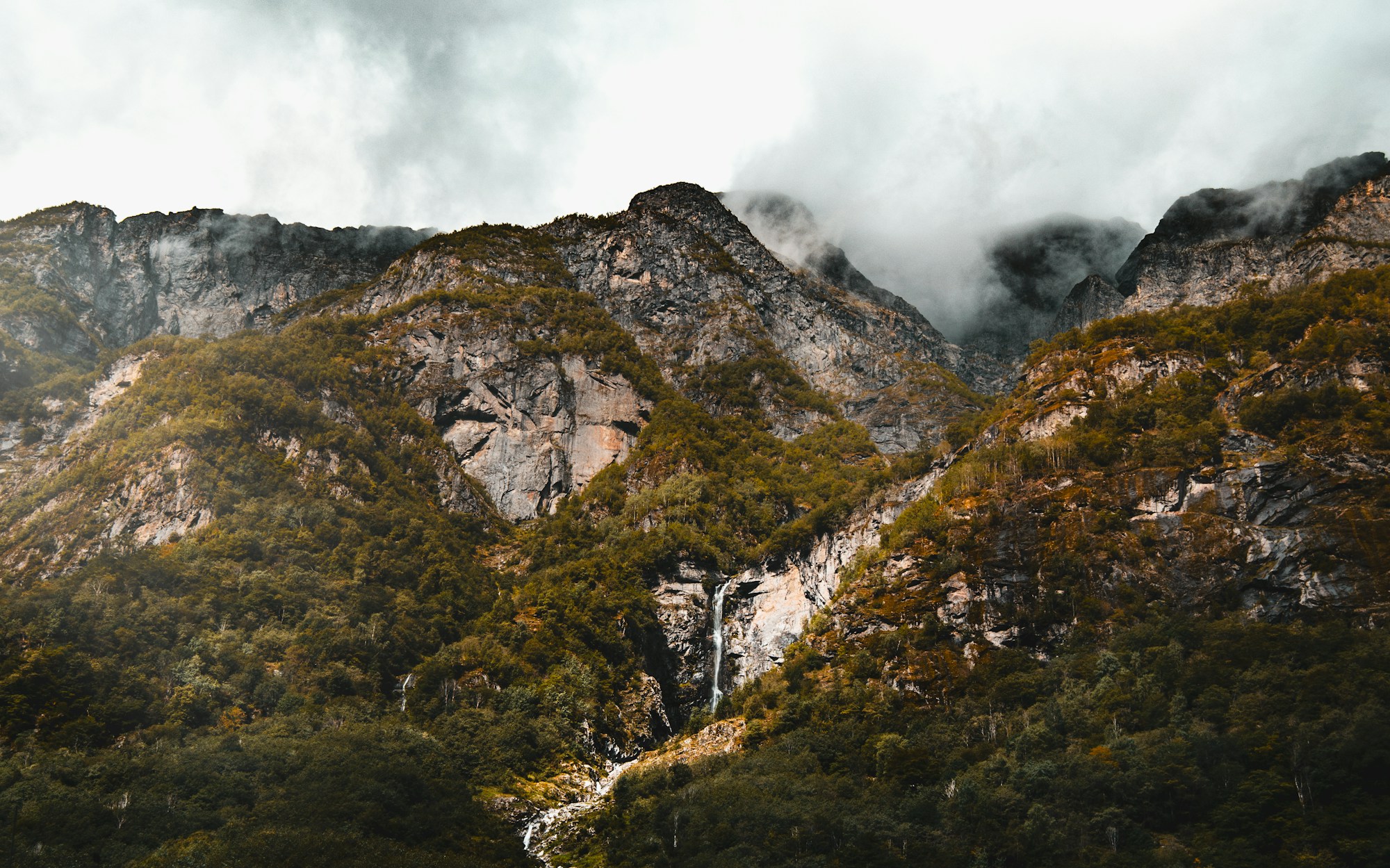
The train is vintage in style, with wood-paneled interiors that evoke a sense of early 20th-century travel. For the best views, try to sit on the right side when heading down toward Flåm. The track clings to the mountainside, spiraling through 20 tunnels. Every time the train emerges from a tunnel, the landscape has transformed - from jagged rock faces to cascading waterfalls, a distant stave church, and tiny alpine farms perched precariously on green ledges.
Key Stops and Photo Opportunities
The train makes a scheduled stop at the Kjosfossen waterfall. You’ll have about five to ten minutes to step out onto the platform. The roar of the water is deafening, and the spray is refreshing. Keep an eye out for a woman in a red dress dancing by the ruins near the falls; she represents the Huldra, a seductive forest creature from Norwegian mythology. It’s a bit of kitschy fun that adds to the magic of the descent.
Explore Norway Tours
Step 3: Cruising the Nærøyfjord (Flåm to Gudvangen)
Once you reach the village of Flåm at the edge of the water, the transition from rail to sea begins with a spectacular boat tour. This is the centerpiece of the trip: a two-hour cruise through the Aurlandsfjord and the Nærøyfjord.
Electric Ferries and Silent Sailing
If possible, book the "Future of the Fjords" or "Vision of the Fjords" vessels. These are sleek, battery-powered catamarans designed to look like the zig-zagging mountain paths you just descended. Because they are electric, they glide through the water in near-total silence. This lack of engine noise transforms the experience; you can hear the distant bleating of goats on the shore and the trickle of meltwater coming off the cliffs.
Exploring the Steepest Fjord Walls in Europe
The Nærøyfjord is a branch of the Sognefjord - Norway's longest fjord, even more intimate than the famous Geirangerfjord - and is so narrow that at one point, it is only 250 meters wide, while the mountains tower 1,700 meters above you. This is the quintessential "fjord" experience, rivaling even the most famous fjords like Geiranger near Ålesund or the skylift views in Loen in its dramatic beauty. The scale is impossible to capture on a phone camera. You feel small, tucked between gargantuan walls of granite. As the boat weaves through the turns, look for the tiny village of Bakka, where the church sits right at the water’s edge.

Step 4: The Stalheimskleiva Transit (Gudvangen to Voss)
Disembarking in the tiny hamlet of Gudvangen, you’ll find a fleet of buses waiting to take you to the town of Voss. This leg of the journey is often overlooked, but it contains some of the most dramatic road engineering in the country.
Winding Through the Nærøy Valley
The bus winds through the Nærøy Valley, a lush, flat-bottomed canyon surrounded by towering peaks. The road used to climb the "Stalheimskleiva," a series of 13 hair-raising hairpin bends. While that specific road is often closed to heavy traffic for safety today, the modern tunnels still offer glimpses of the sheer drops and the architectural marvel of the old route.
Waterfall Sightseeing by Bus
The bus drivers on this route are seasoned pros, often providing a bit of commentary as you pass the Sivlefossen and Stalheimsfossen waterfalls. The journey to Voss takes about an hour, and as you arrive, you’ll notice the landscape softening again into the lakeside beauty of a mountain adventure hub.
Step 5: The Home Stretch (Voss to Bergen)
From Voss, you’ll hop back onto a regional train for the final hour-long leg into Bergen. By this point, you might feel "scenery fatigue," but don't put your camera away just yet.
Reflecting on the Journey
The train follows the edge of the Osterfjord, hugging the shoreline. The water is much wider here, signaling your approach to the coast. This is a great time to scroll through your photos and realize just how much ground you’ve covered - from the high Arctic tundra of the morning to the deep marine valleys of the afternoon.
Arriving in the City of Seven Mountains
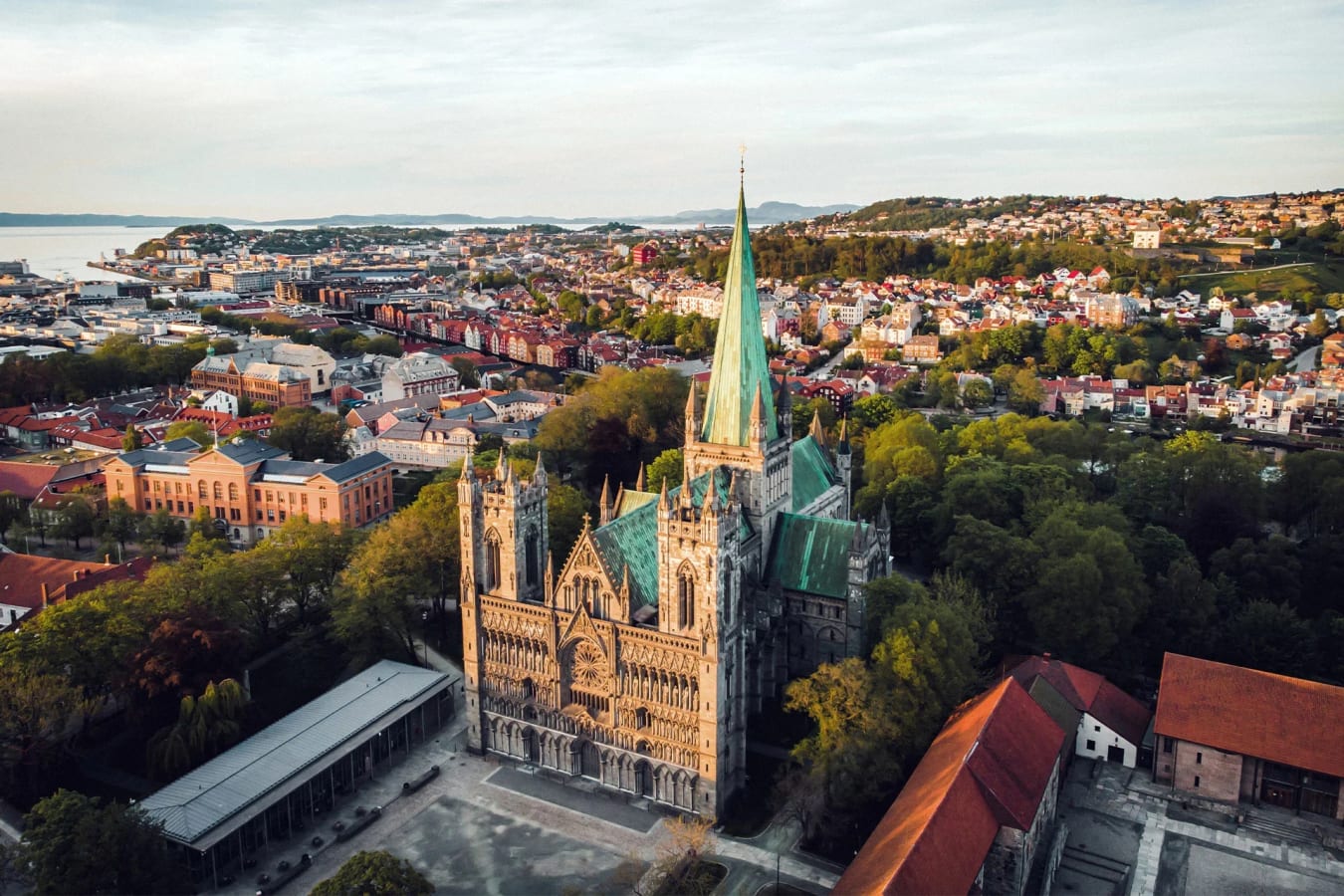
As the train pulls into Bergen, the air smells of salt and rain, a coastal atmosphere shared by other historic hubs like Trondheim. Bergen is a city defined by its relationship with the sea, serving as a major port for the Hurtigruten alongside cities like Stavanger, and its seven surrounding mountains. Walking out of the station, you are just a short stroll from Bryggen, the iconic row of colorful wooden houses that has stood guard over the harbor for centuries. You have officially crossed the heart of Norway.
Logistics: Booking and Planning Your Trip
Planning this trip can be as simple or as complex as you want it to be.
Looking for help putting it all together? From accommodations and transportation to regional routing and seasonal timing, Global Basecamps can help you design a seamless, fully custom Norway itinerary tailored to your travel style. Start Planning Your Norway Journey
The Best Time of Year to Visit
- Summer (June-August): Long days (the sun barely sets) and full accessibility. This is peak season, so expect crowds.
- Shoulder Season (May and September): The best balance. In May, the waterfalls are at their most thunderous due to snowmelt.
- Winter (October-April): A different kind of magic. The fjords are quiet, snow-capped, and blue, occasionally offering a glimpse of the northern lights in the far north. Note that some bus routes or hiking trails may be limited.
What to Pack for Four Seasons in One Day
Norwegians have a saying: "There is no such thing as bad weather, only bad clothing." Even in July, the temperature on the Myrdal platform can be 20 degrees colder than in Oslo.
- Layers: A wool base layer, a fleece, and a waterproof shell.
- Footwear: Comfortable walking shoes with good grip.
- Power Bank: Your phone battery will drain quickly from taking hundreds of photos and videos.
Extending Your Stay: Where to Stop Overnight
If you aren't in a rush, don't go all the way to Bergen in one day.
The Quiet Charm of Flåm
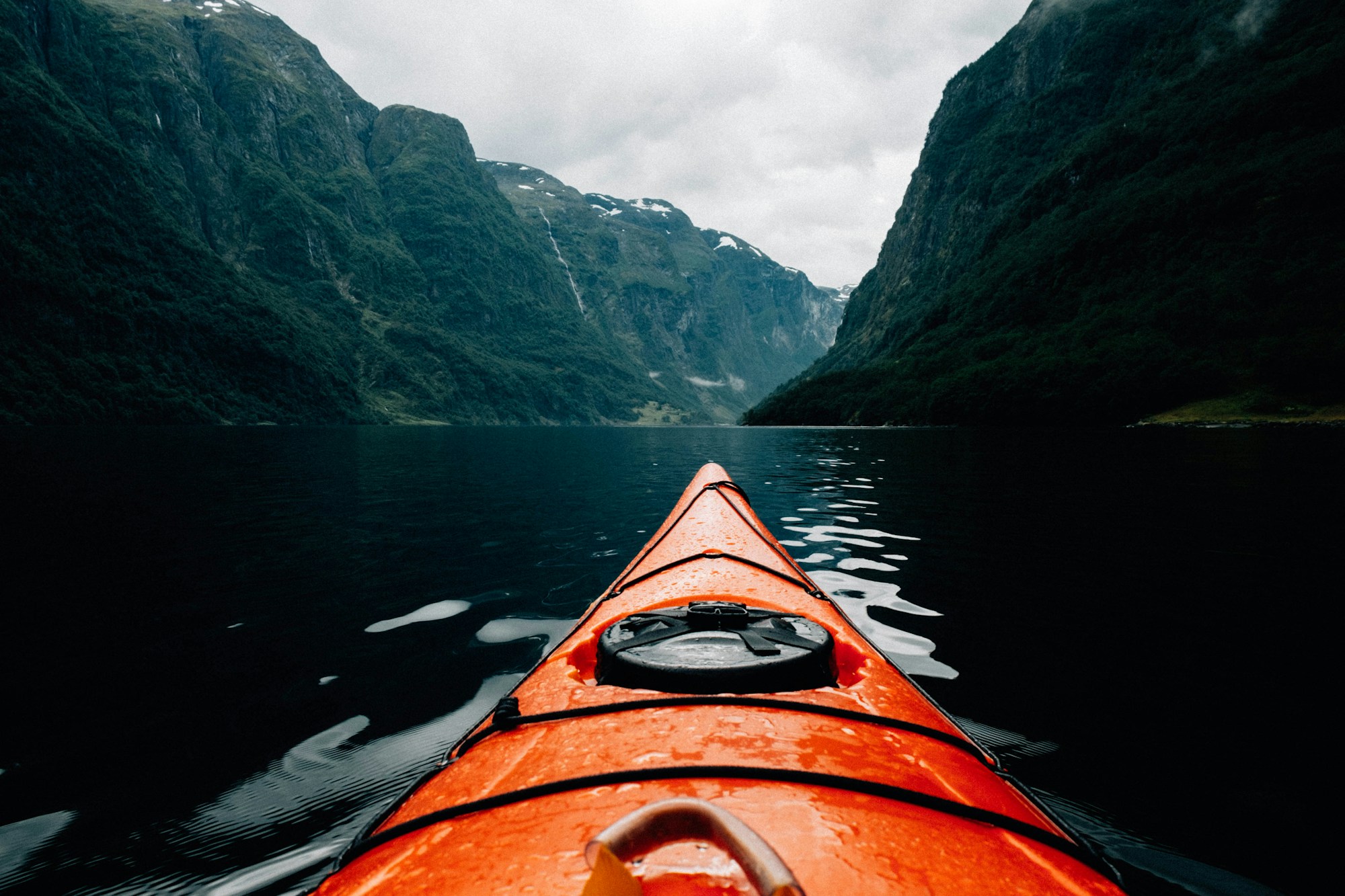
Once the last tour ferry leaves in the late afternoon, Flåm becomes a peaceful village. Staying overnight here allows you to enjoy the fjord when it’s most still, perhaps even kayaking on the glassy water, or you can even venture further south to explore other fjord villages near the sprawling Hardangerfjord or across the water to Balestrand. You can visit the Ægir Microbrewery for a Viking-style dinner or take a sauna and jump into the icy fjord water.
Hiking Opportunities in Aurland
Just a short bus or taxi ride from Flåm is Aurland. From here, you can hike to the Stegastein Viewpoint or take on the more strenuous Prest hike. These vantage points offer a "bird's eye" view of the fjords that you simply cannot get from the deck of a boat.
Traveler Tips for a Stress-Free Experience
Luggage Transfer Services
The most stressful part of this multi-modal journey is hauling suitcases on and off trains and boats. In the summer, look for "Porter Service" companies. They will pick up your heavy luggage from your hotel in Oslo and deliver it directly to your hotel in Bergen. This allows you to travel the route with just a small daypack, making the transitions seamless.
Food and Dining Along the Route
Food on trains and ferries is expensive and limited to sandwiches, hot dogs, and snacks. For a more authentic (and budget-friendly) experience, visit a grocery store in Oslo (like Rema 1000 or Kiwi) the night before. Pack some Norwegian brown cheese (brunost), crackers, and cloudberry jam for a DIY picnic with the world’s best view.
Final Thoughts: A Journey, Not Just a Destination
In our modern world of "fast travel," the Oslo-to-Bergen route is a reminder that the most rewarding experiences often happen in the "in-between" spaces. By the time you reach the cobblestone streets of Bergen, you won't just be arriving at a new city; you’ll be arriving with a new perspective on the raw, unyielding natural beauty of the world. Take your time, look out the window, and let Norway show you why it is considered one of the most beautiful places on Earth.
Ready to experience Norway beyond the guidebooks? At Global Basecamps, we specialize in designing fully custom Norway itineraries that combine scenic rail journeys, fjord adventures, handpicked accommodations, and immersive local experiences - all thoughtfully planned around your travel style. Start Planning Your Norway Journey
Request Your Custom Norway Quote