

Planning Your Aussie Adventure:
How to Pick the Right Season
Australia is less a country and more a continent-sized puzzle. If you try to force a single weather expectation onto a landmass that spans nearly 3 million square miles, you’re bound to end up with a suitcase full of the wrong clothes. Determining the best time to visit Australia isn’t just about checking a forecast; it’s about aligning your personal bucket list with the rhythm of the land.
Whether you’re dreaming of snorkeling and diving through neon-colored coral, hiking across ancient red deserts, or sipping a cold Chardonnay in a sun-drenched vineyard, timing is everything. This guide will help you navigate the nuances of the Great Southern Land so you can land at the right place, at the right time.
Start Planning Your Australia Adventure
Australia's incredible diversity means there's no one-size-fits-all itinerary. Whether you're dreaming of Sydney's iconic harbor, sailing through the Whitsundays, exploring tropical Queensland, or experiencing the country's most celebrated highlights, the best journey is one that's designed around your interests and the season you plan to visit. Explore Australia Tours
Why Australia Isn’t a "One-Size-Fits-All" Destination
The biggest mistake travelers make is assuming that what’s happening in Sydney is happening everywhere else. Australia is vast, roughly the same size as the contiguous United States. While the south might be shivering through a frost, the north could be basking in 85-degree humidity.

The iconic Sydney Opera House overlooking Sydney Harbour, a must-visit landmark for travelers exploring Australia's vibrant east coast.
Browse Australia Tour PackagesThe Upside-Down Calendar: Understanding Southern Hemisphere Seasons
For those coming from the Northern Hemisphere, the first thing to wrap your head around is the flipped calendar. December isn't for hot cocoa and firesides; it’s for cricket on the beach and backyard barbecues. Winter kicks off in June, Spring arrives in September, and Autumn begins its golden descent in March. If you’re planning a Christmas getaway, swap your parka for a swimsuit.
The Golden Rule: Matching Your Interests to the Climate
Before you book a flight, stop and ask yourself: What is the one thing I cannot leave without doing? Your answer will dictate your departure date.
Defining Your Travel Goals
Are you a hiker who thrives in 60-degree weather? Then a January trek in the Outback will be a dangerous, fly-infested nightmare for you. Are you a surfer looking for the most consistent swells? Or perhaps a family looking for a beach holiday where the water isn't bone-chillingly cold? Your goals are the compass for your calendar.
Why Your Itinerary Dictates Your Timing
If your dream trip involves driving from Darwin in the north down to Adelaide in the south, you are crossing multiple climatic zones. In this scenario, you’re looking for a "shoulder season" to avoid being trapped by monsoon rains in the north or freezing winds in the south. You cannot simply pick a month based on one city; you must look at the path you intend to tread.
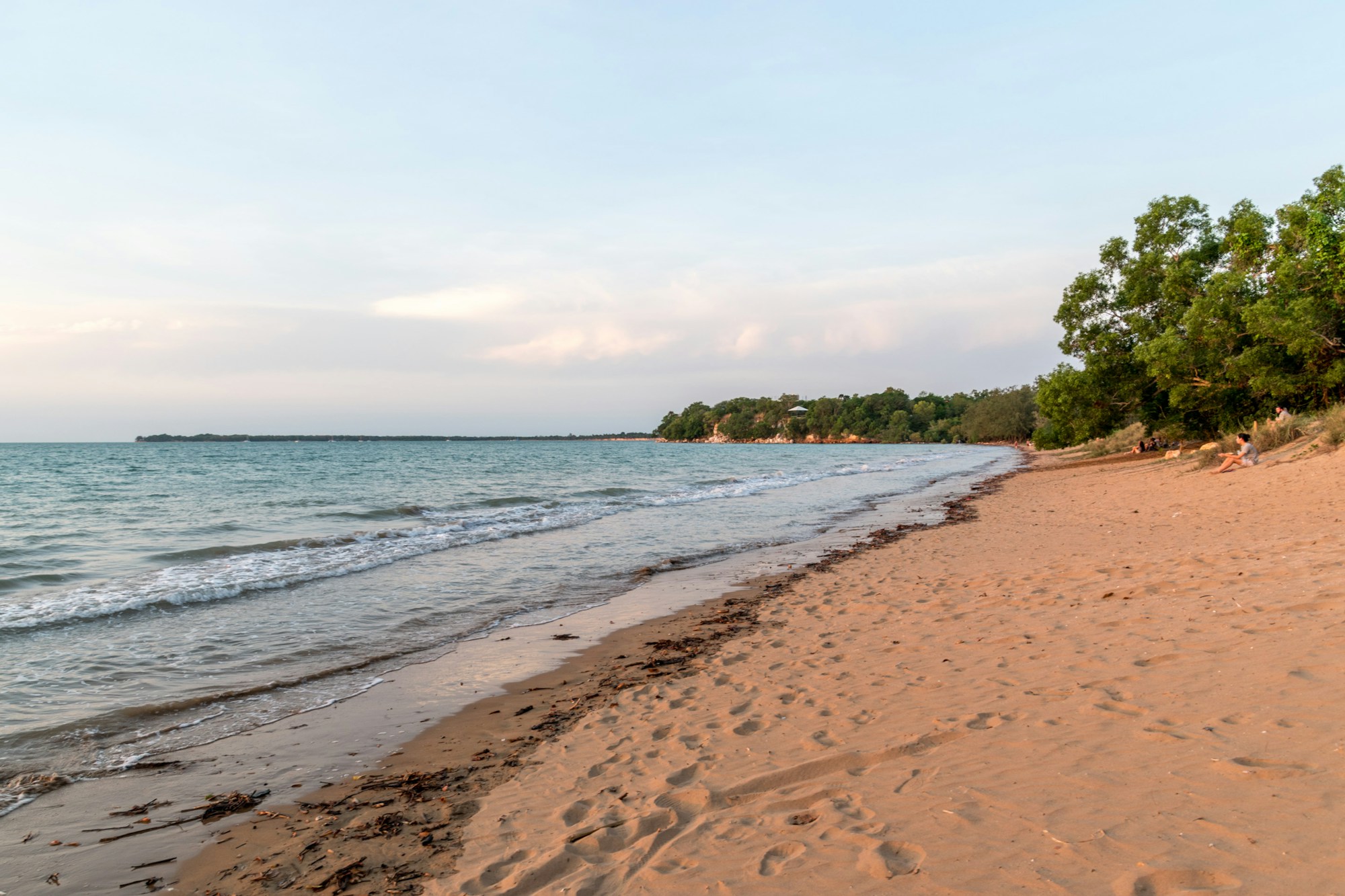
Darwin, Australia, a tropical gateway to the Top End, Kakadu National Park, and unforgettable Northern Territory adventures.
Spring (September to November): The Sweet Spot for Explorers
Many seasoned travelers consider Spring to be the undisputed champion of Australian seasons. It’s the time of year when the continent feels like it’s waking up from a nap, stretching its limbs, and showing off.
The Best of Both Worlds: Mild Temperatures and Low Rainfall
Spring offers a "Goldilocks" climate, not too hot, not too cold. In the southern states, the biting winter wind dies down, replaced by crisp mornings and sunny afternoons. Up north, the oppressive humidity of the tropical summer hasn't yet arrived, making it the perfect time to visit the Great Barrier Reef or the Kimberley before the "build-up" begins.
Nature in Bloom: Wildflowers and Wildlife Sightings
If you’re a fan of flora, Western Australia in Spring is a unique experience. The state erupts in a carpet of over 12,000 species of wildflowers, many of which are found nowhere else on Earth. It’s also a prime time for wildlife, especially on Kangaroo Island, where kangaroo joeys are starting to peek out of pouches and whale migration is in full swing along the Ningaloo Reef and the eastern and western coasts.
View Australia Vacation Packages
Where to Go: Sydney, The Blue Mountains, and Perth
Sydney is spectacular in Spring; the purple Jacaranda trees bloom in October, dusting the city streets in lilac petals. A short drive away, the Blue Mountains offer cool, clear air perfect for hiking. Over west, Perth and Margaret River enjoy their sunniest, driest days, making it the ideal time for a coastal road trip.
Summer (December to February): Beach Vibes and Tropical Rains
Summer in Australia is iconic, but it’s also intense; as the peak season, it’s a time of high energy, school holidays, and temperatures that can occasionally push the mercury past 100°F (40°C).
The Classic Aussie Summer Experience
This is the time for the quintessential Australian lifestyle. Think outdoor cinemas, world-class tennis at the Australian Open, and long days that don't see the sun set until 9:00 PM in the southern cities. If your goal is to tan on Bondi Beach or learn to surf at Byron Bay, this is your window.
Navigating the Heat: Coastal Breezes vs. Outback Scorching
There is a massive difference between "Coastal Summer" and "Interior Summer." On the coast, sea breezes (like Perth’s famous "Fremantle Doctor") provide relief. In the Red Centre (Uluru and Alice Springs), the heat can be dangerous. Many hiking trails at Uluru close by 11:00 AM in the summer to prevent heatstroke. If you visit the desert now, plan to be indoors during the middle of the day.

A vibrant tropical parrot feeding on native fruit in the ancient Daintree Rainforest, one of Australia's most biodiverse natural wonders in Tropical North Queensland.
The Wet Season: What to Expect in the Top End and Queensland
While the south is dry and sunny, the north is in the middle of the "Wet." This means daily tropical downpours, spectacular lightning storms, and high humidity. While some find the lush green landscapes of the Daintree Rainforest and overflowing waterfalls of the Kakadu National Park region breathtaking during this time, many tours are restricted due to flooded roads.
Where to Go: Melbourne, Tasmania, and Gold Coast Beaches
Melbourne comes alive in summer with festivals like the Melbourne Cup and rooftop bars. Tasmania, which can be quite cold the rest of the year, is at its absolute best now, perfect for hiking the Overland Track. The Gold Coast and nearby Brisbane are playgrounds for families, though you should expect crowds. Explore Melbourne and the Gold Coast
Autumn (March to May): The Photographer’s Dream
As the heat of summer fades, Australia settles into a calm, golden glow. For many, Autumn is the most sophisticated time to visit.
Golden Hues and Harvest Festivals
In the southern regions, European trees (introduced by settlers) turn brilliant shades of orange and red. The light becomes softer and more directional, making it a dream for photographers. This is also the season of abundance, with harvest festivals popping up across the country’s agricultural belts.
The Best Time for Foodies and Wine Lovers
If your itinerary is built around your palate, Autumn is non-negotiable. It’s vintage season in the wine regions. You can smell the fermenting grapes in the air and watch the vineyards change color. The seafood is excellent, and the produce is at its peak.

The Great Ocean Road in Victoria, Australia, one of the country's most scenic coastal drives with dramatic cliffs, ocean views, and unforgettable road trip experiences.
Where to Go: The Barossa Valley, Canberra, and the Great Ocean Road
The Barossa Valley in South Australia is a must-see as the vines turn gold. Canberra, often overlooked, is stunning in Autumn as its many parks and gardens transform. It’s also an excellent time for the Great Ocean Road; the summer crowds have vanished, but the weather remains stable enough for a stunning coastal drive.
Winter (June to August): Ski Slopes and Desert Sun
Winter in Australia is a tale of two extremes. Depending on where you point your compass, you’ll either need a heavy puffer jacket or a swimsuit.
A Tale of Two Winters: The Snowy South vs. The Dry North
In the Australian Alps (located between New South Wales and Victoria), Winter means skiing and snowboarding. Yes, Australia has snow! Meanwhile, in the north, it is the "Dry Season." This is the best time to visit the tropical north. The sky is a constant, cloudless blue, the humidity is gone, and the temperature sits at a perfect 75-80°F.
Beating the Crowds and Finding Budget Wins
Because it’s the "off-season" or low season for the southern beaches, you can find great deals on accommodation in Sydney and Melbourne. If you don't mind wearing a jacket, you can enjoy these world-class cities without the crush of summer tourists.
Where to Go: The Great Barrier Reef, Uluru, and the Australian Alps
The Great Barrier Reef near Cairns and the beaches of Broome are best visited in winter; the water is clear, and it’s outside of "stinger season" (more on that later). Uluru is also perfect now, the days are mild and pleasant for walking, though be warned, the desert temperatures plummet below freezing at night.
Discover the Whitsundays & Great Barrier Reef
Planning your trip during reef season? Our Airlie Beach, Catamaran Whitsundays Cruise & Sydney journey combines vibrant city experiences with unforgettable sailing through the Whitsunday Islands and time exploring one of the world's most spectacular marine environments. Explore Airlie Beach, Catamaran Whitsundays Cruise & Sydney

The Great Barrier Reef in Queensland, Australia, a world-famous marine destination known for vibrant coral reefs, clear turquoise water, snorkeling, diving, and unforgettable reef adventures.
Start Planning Your Australia TripRegional Deep Dives: When to Visit Australia’s Top Attractions
To truly master your planning, you need to look at specific hotspots that don't always follow the national "rules."
The Great Barrier Reef: Dodging Stinger Season and Humidity
Between November and May, "Stingers" (potentially lethal jellyfish) inhabit the waters of North Queensland. You can still swim, but you’ll need to wear a full-body lycra "stinger suit." If you want to swim in just a swimsuit, visit between June and October.
The Red Centre: Surviving the Extremes of Uluru
The desert is a land of extremes. In Summer, it’s 110°F; in Winter, the nights are 30°F. The best balance is found in May or September, where the days are warm enough for a t-shirt but cool enough for long walks.
Sydney and Melbourne: Navigating the Urban Microclimates
Melbourne is famous for "four seasons in one day." Even in Summer, carry a light jacket. Sydney is more consistent but can get quite humid in February. If you’re a city slicker, April is the sweet spot for both, mild, clear, and manageable.

A wild wombat roaming the grasslands of Tasmania, an iconic Australian marsupial known for its powerful build, burrowing lifestyle, and irresistibly charming appearance.
Tasmania: The Island State’s Short Summer Window
Tasmania is the southernmost part of Australia and sits in the path of the "Roaring Forties" winds. Its winter is long and cold. Unless you specifically want a "winter wonderland" vibe, stick to the window between December and March to ensure the hiking trails are accessible.
Understanding the "Shoulder Seasons"
In the travel industry, the periods between peak and off-peak are called shoulder seasons. In Australia, these are the secret weapons of the savvy traveler.
Why April and October Are the Industry's Best-Kept Secrets
During these months, you avoid the extreme heat of summer and the chill of winter. Most importantly, you avoid the massive price hikes associated with the December/January school holidays. The weather is stable across almost the entire continent, making it the best time for a multi-state "Grand Tour."
Balancing Costs, Crowds, and Comfort
In October, the north is starting to get warm but isn't yet raining, and the south is pleasantly spring-like. You’ll find shorter lines at attractions, more availability at boutique hotels, and flights that won't break the bank.
Experience the Best of Australia
Shoulder season is one of the best times to experience multiple regions across Australia in a single trip. Our Best of Australia Explorer itinerary showcases many of the country's iconic highlights while taking advantage of comfortable weather and fewer crowds. Explore Best of Australia
- Best Time for Budget Travelers: May to August (Southern states) or November (Northern states). Avoid school holidays.
- Best Time for Wildlife Enthusiasts: September to November for whales and babies; March to July for whale sharks; and June to August for swimming with Minke whales in the north.
- Best Time for Outdoor Adventure and Hiking: April to May or September to October. These months offer the most stable, comfortable temperatures for physical exertion.
Final Thoughts: Taking the Leap No Matter the Month
There is no "bad" time to visit Australia, only a "wrong" outfit for the occasion. The continent is so diverse that at any given moment, somewhere is experiencing its perfect season. If you find yourself in Melbourne on a rainy July day, just remember: it’s the perfect time to fly north to the Whitsundays and jump into the turquoise sea.
Australia rewards those who are flexible and prepared. Pick your "must-do" experience, align it with the seasons outlined above, and get ready for the adventure of a lifetime. The Great Southern Land is waiting for you, whenever you decide to show up.
Ready to Find Your Perfect Australia Adventure?
No matter when you choose to visit, Australia offers incredible experiences in every season, from vibrant cities and world-famous beaches to reef adventures, island escapes, and unforgettable road trips.
Whether you're looking for a guided journey, a scenic self-drive adventure, or a custom itinerary built just for you, we're here to help you experience Australia your way. Explore All Australia Tours
Plan Your Australia Adventure