

Planning a Trip to Japan?
Here Are 10 Essential Tips You Need to Know
So, You're Dreaming of Japan? Let's Make it a Reality!
You've envisioned it, haven't you? The vibrant neon glow of Tokyo, the serene beauty of Kyoto's temples, the first taste of authentic ramen, or the hushed reverence of a traditional tea ceremony. For anyone visiting Japan, these are common dreams. Japan isn't just a destination; it's an experience that awakens all your senses, a captivating blend of ancient traditions and futuristic innovation. But here's the thing: while the dream is exhilarating, the practicalities can sometimes feel a bit daunting, especially for first-time visitors. Where do you even begin with a place so rich in culture and so different from what you might be used to?
Fear not, aspiring Japan adventurer! We’re here to cut through the noise and provide you with the compass you need to navigate this incredible journey. Consider this your personal roadmap, designed to transform that vivid dream into an unforgettable reality.
Ready to start planning? Explore Global Basecamps’ Japan trips trips to see what your journey could look like!
Why These Tips Matter: Your Compass for a Seamless Japanese Adventure
Think of these travel tips not as rigid rules, but as the wisdom gleaned from countless travelers who've walked these paths before you. They're the insights that will save you time, money, and most importantly, stress. Our goal isn't just to tell you what to do, but why it matters, giving you the confidence to truly immerse yourself in the Japanese experience. We're going beyond the surface-level recommendations and diving into the nuances that will elevate your trip from good to absolutely phenomenal. Let's make sure your Japanese adventure is as seamless and enriching as possible with these Japan travel tips.
1. Embrace the Art of Planning (But Stay Flexible)
Planning a Japan trip is like preparing for a grand performance – you need a solid script, but also the grace to improvise when the unexpected happens. A well-thought-out itinerary provides structure, allowing you to hit your must-sees and discover the best places, but remember, some of the best memories are made in those unscripted moments.

The Golden Rule: Book Early, Especially for Peak Seasons
This isn't just a suggestion; it's a golden rule. Japan is incredibly popular, and its peak seasons – cherry blossom (late March to early April), Golden Week, and autumn leaves (October to early December) – often considered the best time to visit, see an astronomical surge in visitors. If your heart is set on experiencing these natural wonders, you need to book flights and accommodations months in advance, often 6-9 months or even a year for prime spots. Even outside these times, popular hotels and specific train routes can fill up. Procrastination here can lead to heartbreak or significantly higher prices. Think of it as securing your front-row seat to an incredible show!
Mastering the Japan Rail Pass: Is it Right for You?
The Japan Rail Pass often feels like a rite of passage for a first time trip, promising unlimited travel on the efficient Japan Rail network. But here’s the secret: it’s not always the best deal for everyone. Its value hinges on your itinerary. Are you planning extensive inter-city travel, like Tokyo to Kyoto, then Hiroshima, and perhaps a day trip, and back? If so, the pass can be a massive money-saver. The Shinkansen (bullet train) tickets add up quickly.
However, if your trip is focused on one or two regions, or if you're spending a lot of time within a single city, individual tickets might be more economical. Do the math! Use a site like Japan Guide's fare calculator to compare the cost of your planned train journeys against the price of the pass. Remember, the pass typically needs to be purchased before you arrive in Japan. It’s a powerful tool, but only if wielded wisely.
Want to make the most of Japan’s rail network? Global Basecamps offers trips that include a 14-day JR Pass - so you can travel farther without the added stress of planning every leg!
Accommodation: From Ryokans to Modern Hotels
Japan offers an astonishing range of places to rest your head, each providing a unique flavor of the country.
- Modern Hotels: You'll find international chains and excellent local options, offering western-style comfort and amenities. Business hotels, even budget-friendly ones, are often impeccably clean and efficient.
- Ryokans: These traditional Japanese inns are an experience in themselves, sometimes even offering the chance to wear a kimono. Imagine sleeping on a futon on a tatami mat floor, soaking in an onsen (hot spring) bath, and savoring an exquisite multi-course kaiseki dinner. It's a plunge into authentic Japanese hospitality and definitely worth budgeting for at least one night.
When choosing, consider location (proximity to train stations is gold!), amenities, and of course, your budget. Don't be afraid to mix and match; a few nights in a modern hotel followed by a traditional ryokan stay can offer the best of both worlds.
2. Navigating Japan: Transportation is Your Best Friend
Japan's public transportation system is a marvel of efficiency, punctuality, and cleanliness. Once you grasp its rhythm, you'll glide through the country with ease.

The Bullet Train Experience: More Than Just a Ride
The Shinkansen, or bullet train, isn't just a mode of transport; it's an experience. Imagine hurtling through the landscape at incredible speeds, yet feeling a sense of calm and quiet in your seat. The trains are immaculately clean, offer ample legroom, and boast views ranging from sprawling cityscapes to Mount Fuji itself, or the scenic beauty of Hakone. Make sure to buy a bento box (a packed meal) and a drink at the station before boarding for the full experience. It's a testament to Japanese engineering and a truly iconic way to travel between major cities.
Understanding Local Transport: Subways, Buses, and Taxis
Within cities, the subway and local train networks are your primary arteries. They are incredibly comprehensive, with clear signage in English in major cities. Don't be intimidated by the spaghetti-like maps; they become intuitive quickly.
- Subways/Local Trains: These are fast, frequent, and cover vast areas. Learn to identify different lines by color and letter/number codes.
- Buses: In cities like Kyoto, buses are essential for reaching some attractions. They can be a bit trickier than subways, as routes are less obvious, but often provide scenic routes. You typically board from the back and exit from the front, paying when you exit.
- Taxis: While efficient, taxis are considerably more expensive than public transport. Use them for short distances, late-night travel when subways shut down, or when you have heavy luggage. Note that the rear passenger door often opens and closes automatically – don't try to force it!
Google Maps Will Be Your Lifesaver
Seriously, download offline maps if you can. Google Maps in Japan is exceptionally accurate, providing real-time train schedules, platform numbers, transfer information, and even which exit to take at stations. It will tell you if you need to take the local or express train, and estimate walking times. Without it, navigating the sprawling stations and intricate networks would be significantly more challenging. It’s not just helpful; it’s practically essential.
3. Money Matters: Cash, Cards, and Convenience Stores
Japan, surprisingly for such a technologically advanced nation, still has a strong affinity for cash. While credit cards are gaining traction, especially in larger cities and establishments, relying solely on plastic can leave you stranded.
The Persistent Power of Cash: Don't Underestimate It
Many smaller restaurants, traditional inns, temples, shrines, and even some shops, especially outside of major metropolitan areas, operate on a cash-only basis. You'll also need cash for vending machines, bus fares, and often for entrance fees to attractions. Always carry a reasonable amount of yen with you, especially if you're venturing off the beaten path. Nothing is more frustrating than finding a hidden gem of a restaurant only to realize you can't pay.
ATMs: Where to Find Them and What to Expect
Finding ATMs that accept international cards used to be a challenge, but it's much easier now. Your best bet for withdrawing cash are:
- 7-Eleven convenience stores: These are ubiquitous and their ATMs reliably accept most international debit and credit cards.
- Japan Post Bank ATMs: Found in post offices and often accessible outside.
- FamilyMart and Lawson convenience stores: Many also have international ATMs.
Always look for the "International ATM" sign. Be aware that your bank might charge foreign transaction fees, and the Japanese ATM might also have a small service charge. It's a good idea to notify your bank of your travel plans beforehand to avoid any card freezes.
IC Cards: Your Key to Seamless Spending
Once you arrive, your first purchase after some cash should be an IC card. These rechargeable smart cards (like Suica or Pasmo in Tokyo, Icoca in Kansai) are invaluable. You simply tap them at train gates, on buses, and even in many convenience stores, vending machines, and some restaurants. It eliminates the need to buy individual tickets, calculate fares, or fumble for change.
You can purchase them at train stations from ticket machines or manned counters. While initially requiring a small deposit (which you can get back at the end of your trip), the convenience they offer is priceless. Just load it with yen, tap, and go!

4. Staying Connected: Wi-Fi and SIM Cards
In today's interconnected world, staying online is almost a necessity for navigation, communication, and sharing those incredible photos. Japan offers several reliable options.
Pocket Wi-Fi: Your Personal Internet Hotspot
This is arguably the most popular choice for travelers to Japan. A pocket Wi-Fi device is a small, portable router that provides a strong internet connection for multiple devices (your phone, tablet, laptop). You can pick it up at the airport upon arrival, such as Haneda Airport, or have it delivered to your hotel. It’s incredibly convenient, offering unlimited data plans, and ensures you’re always connected, especially if you're traveling with companions who can share the connection. The downside is remembering to charge it daily and carrying an extra device.
Local SIM Cards: A Cost-Effective Option
If you're traveling solo and your phone is unlocked, a local data-only SIM card or an eSIM can be a cost-effective alternative. You can purchase these at the airport or electronics stores like Bic Camera or Yodobashi Camera. They typically offer various data packages for different durations (e.g., 7, 15, or 30 days). This option is great for those who prefer not to carry an extra device and only need data for one phone.
Free Wi-Fi: Where to Find It (and Its Limitations)
While free Wi-Fi spots are becoming more common in Japan, particularly in major cities, they aren't as pervasive or reliable as in some other countries. You'll find it in:
- Major train stations: Often spotty and time-limited.
- Convenience stores: Usually requires registration, which can be cumbersome.
- Cafes and restaurants: Varies widely in availability and quality.
- Some tourist attractions: Hit or miss.
While it's good for quick checks, don't rely solely on free Wi-Fi for critical navigation or communication. It's best used as a supplement to a pocket Wi-Fi or SIM card.

5. Decoding Japanese Etiquette: Respect is Key
Japanese culture is built on respect, harmony, and consideration for others. Understanding and observing basic etiquette will not only show your appreciation but also enrich your interactions and overall experience. Don't worry about being perfect; the effort is what counts.
Bowing: A Gesture of Respect
Bowing is a fundamental part of Japanese communication. You'll see people bowing when greeting, thanking, apologizing, or saying goodbye. As a foreigner, a slight nod of the head is perfectly acceptable and appreciated. You don't need to master the different depths of bows; a polite acknowledgement goes a long way. When someone bows to you, a simple nod in return is a respectful response.
Chopstick Manners: A Quick Guide
Chopsticks (ohashi) are central to Japanese dining. Here are a few key pointers:
- Don't stick them upright in your rice: This is reminiscent of funeral rituals.
- Don't pass food with chopsticks: Also associated with funerals.
- Don't point with them.
- Don't rub them together: It implies you think they're cheap.
- Use the serving end: If sharing from a common dish, use the opposite end of your chopsticks or designated serving chopsticks.
- Place them on the chopstick rest: When not in use, place them on the provided rest or across your bowl.
These might seem numerous, but simply being mindful and observant will guide you.
Public Behavior: Keeping it Quiet and Clean
Japan is remarkably quiet and clean. Contribute to this by:
- Keeping your voice down: Especially on public transport. Conversations are usually hushed, and phone calls are generally avoided.
- No littering: Carry a small bag for your trash until you find a bin (which can be surprisingly scarce, so convenience stores are your friend for disposal).
- Queue politely: Japanese queues are orderly and respected.
- Avoid eating or drinking on trains (except Shinkansen): It’s generally considered impolite on local lines.
- Take off your shoes: When entering someone's home, many restaurants, temples, or traditional accommodations like ryokans. Look for shoe racks or designated areas.

Onsen and Bathing: Understanding the Rituals
If you visit an onsen (hot spring) or a public bathhouse (sento), there are strict rituals designed for hygiene and respect:
- Wash thoroughly before entering the bath: This is non-negotiable. Use the provided soap and shower facilities.
- Go naked: Onsens are typically segregated by gender, and clothes (even swimsuits) are not allowed in the main bathing area. You'll be given a small towel to cover yourself while walking, but it should not enter the bathwater.
- No tattoos: Traditionally, tattoos are associated with the yakuza (Japanese mafia), and many onsens still prohibit tattooed individuals. Some facilities are becoming more lenient, offering private baths or allowing small, covered tattoos. Always check beforehand.
- Be quiet and respectful: Onsens are for relaxation and contemplation.
Embracing these customs is part of the authentic Japanese experience.
Explore Japan Tours
6. Food Adventures: Beyond Sushi and Ramen
Japan's culinary landscape is vast and incredibly diverse, extending far beyond the universally loved sushi and ramen. While you absolutely should savor these staples, prepare your taste buds for a wider journey.
Exploring Regional Specialties: A Culinary Journey
Each region, sometimes even each city or prefecture, boasts its own unique delicacies. Don't limit yourself!
- Osaka: Known as "Japan's Kitchen," try takoyaki (octopus balls), okonomiyaki (savory pancake), and kushikatsu (deep-fried skewers).
- Hiroshima: Famous for its own style of okonomiyaki, distinct from Osaka's.
- Hokkaido: Indulge in fresh seafood, rich dairy products, and Sapporo beer. Consider also exploring Okinawa for its unique culinary offerings. Consider also exploring Kyushu for its unique culinary offerings.
- Kyoto: Experience elegant kaiseki multi-course meals, delicate tofu dishes, and traditional matcha (green tea) sweets.
- Nagoya: Known for its hitsumabushi (grilled eel on rice) and miso katsu (pork cutlet with miso sauce). Consider also exploring Nagano for its unique culinary offerings.
Seek out local recommendations, visit food markets, and don't be afraid to try something new, including delicious street food. These regional treasures are often the most memorable culinary discoveries.
Understanding Ordering Customs: Vending Machines to Izakayas
Ordering food in Japan can be an experience in itself:
- Vending Machine Restaurants: Many ramen, udon, and casual eateries use vending machines where you select and pay for your meal tickets upfront. Hand the tickets to the chef, and find a seat. It's efficient and often very budget-friendly.
- Izakayas (Japanese Pubs): These are lively, casual places perfect for sharing small plates (like tapas) and drinks. Ordering is typically done by calling a server or using a tablet at your table. It's a fantastic way to sample many different dishes.
- Sushi Counters: At traditional sushi restaurants, you can often order directly from the chef, one piece at a time, or choose from a set menu.
- Department Store Food Halls (Depachika): These subterranean food heavens offer an incredible array of prepared foods, from gourmet bentos to exquisite desserts. Perfect for a picnic or a delicious, affordable dinner.
Dietary Restrictions: How to Navigate with Confidence
If you have dietary restrictions (vegetarian, vegan, gluten-free, allergies), it requires a bit of preparation.
- Learn key phrases: Knowing how to say "no meat," "no fish," or "allergy to..." in Japanese is extremely helpful (see Language Basics section).
- Carry a translation card: Websites like "Japan Diet Cards" offer downloadable cards that explain your restrictions in clear Japanese. Show this to restaurant staff.
- Research in advance: HappyCow and other apps can help locate vegetarian/vegan-friendly restaurants.
- Be aware of hidden ingredients: Fish broth (dashi) is a common base for many dishes, even seemingly vegetarian ones.
- Convenience stores: Offer a decent selection of packaged foods, fruit, and snacks that can be lifesavers.
While awareness is growing, options might be limited outside of major cities, so planning ahead is crucial.
7. Language Basics: A Little Goes a Long Way
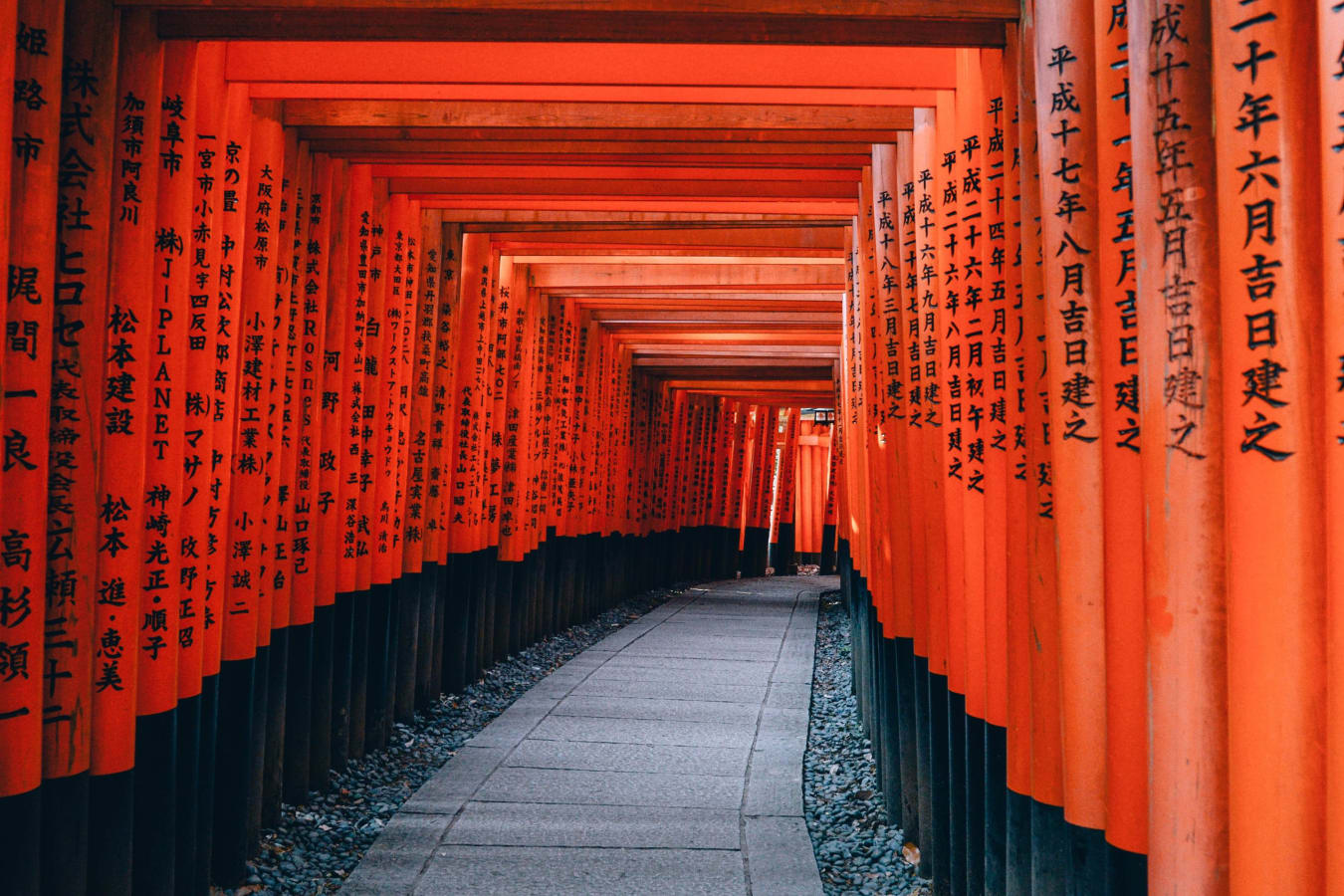
You absolutely don't need to be fluent in Japanese to travel the country, but learning a few key Japanese phrases can significantly enhance your experience. Most major tourist areas have English signage, and many younger Japanese people have some English education. However, making an effort to speak even a few basic phrases will open doors, elicit smiles, and show immense respect.
Essential Phrases: "Arigato" and Beyond
Memorize these fundamental phrases:
- Hello (general/daytime): Konnichiwa (koh-nee-chee-wah)
- Good morning: Ohayō gozaimasu (oh-hah-yoh go-zai-mas)
- Thank you: Arigatō gozaimasu (ah-ree-gah-toh go-zai-mas) – Arigatō for casual situations.
- Excuse me/I'm sorry: Sumimasen (soo-mee-mah-sen) – incredibly versatile for getting attention, apologizing, or even asking for something.
- Please: Onegaishimasu (oh-neh-guy-shee-mas)
- Yes: Hai (hi)
- No: Iie (ee-eh)
- I don't understand English: Eigo ga wakarimasen (ei-goh gah wah-kah-ree-mah-sen)
- Do you speak English?: Eigo o hanasemasu ka? (ei-goh oh hah-nah-seh-mas kah)
- Where is...?: ... wa doko desu ka? (...wah doh-koh des ka?)
- Delicious: Oishii (oy-shee)
Practice these! The attempt, even if imperfect, is highly valued.
Translation Apps: Your Pocket Interpreter
Google Translate is your best friend. Download the Japanese language pack for offline use. Its camera feature is revolutionary – just point your phone at a menu, sign, or package, and it will often provide an instant translation. This is invaluable for ordering food, understanding signs, or reading product labels. Other apps like DeepL are also excellent.
Don't Be Afraid to Ask for Help
Japanese people are generally incredibly kind and eager to help, even if there's a language barrier. If you're lost or need assistance, approach someone politely with a "Sumimasen" and explain your situation (even with gestures). They will often go out of their way to assist you. Don't let fear of miscommunication prevent you from seeking help when needed.
8. Packing Smart: Comfort and Convenience
Packing for Japan means preparing for both practicality and cultural appropriateness. Less is often more, but the right essentials are critical.
Footwear: Your Most Important Travel Companion
You will walk a lot in Japan. From exploring temple grounds to navigating sprawling train stations, your feet will be your primary mode of transport. Invest in comfortable, broken-in walking shoes, sneakers are perfectly acceptable. Avoid brand new shoes or anything that causes blisters. Consider shoes that are easy to slip on and off, as you'll be removing them frequently at temples, ryokans, and some restaurants. Blisters are the quickest way to dampen your adventurous spirit.
Layering for Success: Adapting to Changing Climates
Japan's climate can be surprisingly varied, even within a single day. Layering is key:
- Spring/Autumn: Warm days can turn into cool evenings. A light jacket or cardigan, plus a scarf, is ideal.
- Summer: Hot and humid. Lightweight, breathable clothing is essential. A small towel or handkerchief is common for wiping sweat.
- Winter: Cold, especially in northern regions. Warm layers, a good coat, and waterproof shoes are necessary.
Always check the local forecast for the specific regions and times you'll be visiting. A small, collapsible umbrella is also a good idea year-round.
Ready to start planning? Explore Global Basecamps’ Japan trips , designed for every season.
Power Adapters and Converters: Don't Forget Them!
Japan uses Type A/B plugs, which are two flat pins (the same as North America). The voltage is 100V.
- Adapter: If your home country uses different plugs (e.g., UK, Europe, Australia), you'll need a physical adapter.
- Converter: Most modern electronics (phones, laptops, camera chargers) are dual voltage and can handle 100V, so a converter isn't typically needed. However, double-check your devices! Look for "Input: 100-240V" on your charger. If it's only 220-240V, you'll need a voltage converter, especially for things like hair dryers. When in doubt, leave high-power appliances at home or purchase a Japanese-compatible one.
9. Health and Safety: Peace of Mind on Your Journey
Japan is one of the safest countries in the world, with remarkably low crime rates. However, taking common-sense precautions and being prepared for potential health issues will ensure your peace of mind.
Understanding Japanese Healthcare: For Emergencies Only
Japan has an excellent healthcare system, but it can be expensive for foreigners without local insurance. For minor ailments, look for pharmacies (kusuriya or yakkyoku). For more serious issues, your travel insurance will guide you to appropriate clinics or hospitals. Keep a copy of your insurance details readily accessible. While unlikely, knowing what to do in an emergency is crucial.
Staying Hydrated and Sun Protected
Especially during the humid summer months, dehydration can be a real risk.
- Hydrate: Carry a reusable water bottle or take advantage of the numerous vending machines for cold drinks. Tap water is safe to drink everywhere in Japan.
- Sun Protection: The sun can be intense. Wear sunscreen, a hat, and sunglasses. You'll also see many locals using umbrellas for sun protection, don't be afraid to do the same!
Basic self-care goes a long way in ensuring you can fully enjoy your travels without feeling unwell.
10. Embrace the Unexpected: The True Spirit of Travel
You've planned, you've prepared, you've learned. Now, let go a little. The magic of travel often lies in the moments you didn't anticipate, the detours you didn't plan.
Allow for Spontaneity: Some of the Best Memories are Unplanned
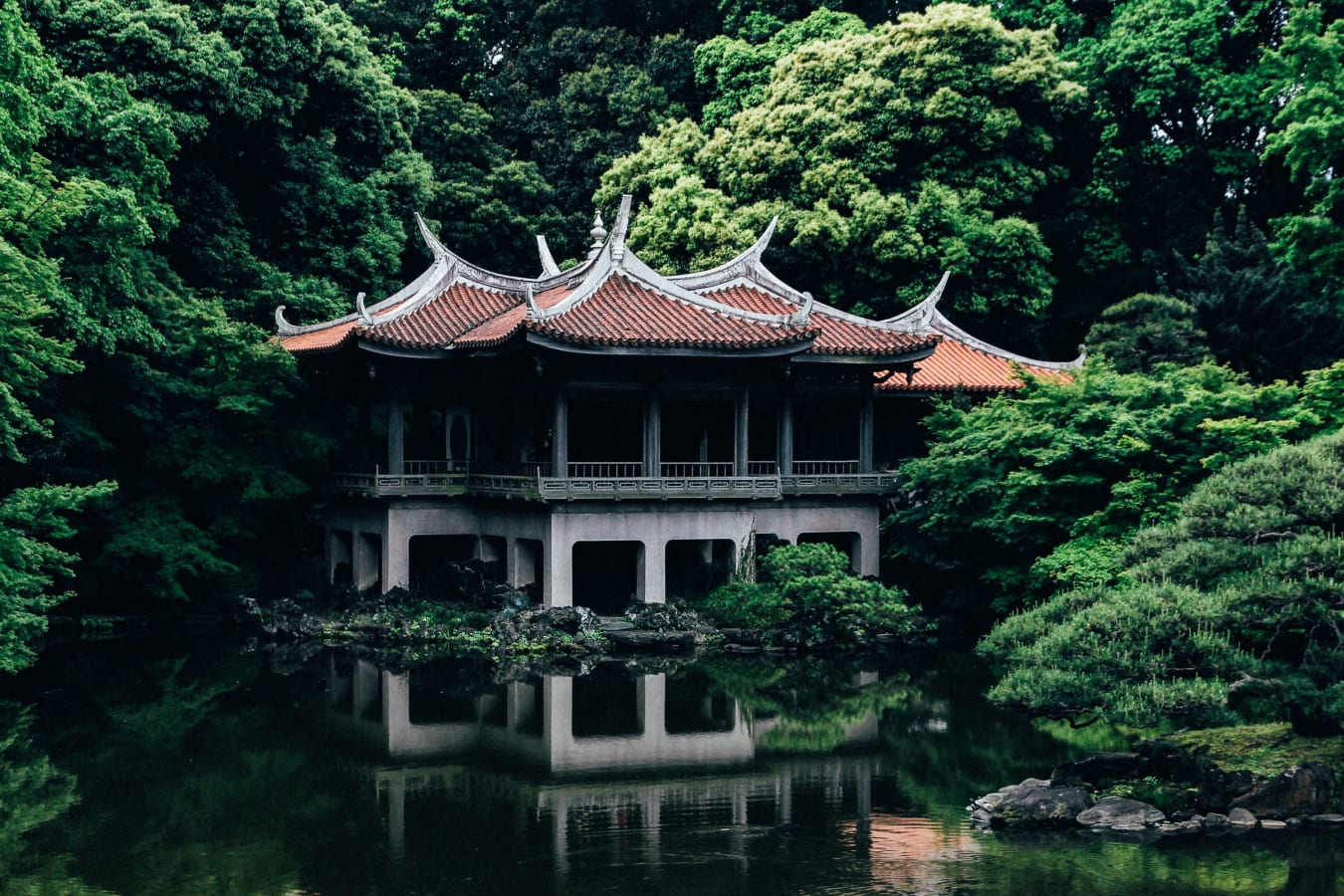
While a well-structured itinerary is valuable, leave room for serendipity. Perhaps you stumble upon a charming local festival, or a friendly shopkeeper invites you for tea, or you simply decide to spend an extra afternoon soaking in the atmosphere of a beautiful garden. These unscripted moments are often the most profound and memorable. Don't be so rigid with your schedule that you miss out on these delightful surprises.
Observe and Absorb: Learn from Your Surroundings
Japan is a masterclass in subtlety and attention to detail. Take the time to simply observe. Watch how people interact, notice the intricate design of a garden, appreciate the quiet reverence at a shrine, or marvel at the efficiency of a train conductor. Pay attention to the small things – the perfectly arranged meal, the thoughtful packaging, the polite gestures. This observation isn't just passive; it's an active way to learn and deepen your understanding of the culture.
Document Your Journey: Memories are Priceless
Whether it's through photos, videos, a travel journal, or simply quiet reflection, find a way to capture your experiences. These memories are priceless. Take notes of funny anecdotes, new tastes, interesting conversations, and the emotions you felt. When you return home, these documented moments will transport you back to the vibrant streets, tranquil temples, and delicious flavors of Japan, allowing you to relive the adventure again and again.
Ready for Your Japan Journey?
You're not just booking a trip; you're embarking on an odyssey into a land of unparalleled beauty, fascinating traditions, and incredible innovation. With these tips as your guide, you're not just prepared, you're empowered to truly connect with the heart and soul of Japan. Go forth, explore, savor, and let this extraordinary country weave its magic into your story. Your Japanese adventure awaits!
When you’re ready to turn that journey into reality, explore Explore Global Basecamps’ Japan trips , designed to take you deeper while keeping the experience seamless from start to finish!
Reach Out Today