
Oslo Travel Guide:
Everything You Need to Know Before You Go
Welcome to the edge of the world - or at least, the most sophisticated corner of it. Oslo is a city that doesn't scream for your attention; it earns it through a quiet, confident blend of cutting-edge design, deep-rooted Viking history, and a relationship with nature so intimate that you can go from a world-class opera performance to a deep forest hike in under thirty minutes.
Whether you are drawn by the haunting brushstrokes of Edvard Munch or the allure of the rugged fjords, this guide is designed to help those visiting Oslo navigate the Norwegian capital like a local. We’ll strip away the tourist tropes and get into the heart of what makes this city tick.
Welcome to the Tiger City: An Introduction to Oslo
If you find yourself standing in front of the Oslo Central Station, you’ll be greeted by a massive bronze tiger. This isn't a nod to Norway’s local wildlife - bears and wolves are more their speed - but a tribute to a nickname coined by poet Bjørnstjerne Bjørnson. He described the city as a "Tiger City," a place that was once perceived as cold and dangerous.
Today, the name persists, but the meaning has shifted. Modern Oslo is anything but cold in spirit. It is one of Scandinavia and Europe’s fastest-growing capitals, with Norway’s capital city serving as a laboratory for sustainable urban living where electric cars outnumber gas-guzzlers and the harbor water is clean enough to swim in. It is a city of contrasts: where 19th-century brick apartment blocks stand in the shadow of the "Barcode," a row of ultra-modern, high-rise office buildings that look like a digital glitch on the skyline.
Is Oslo Worth Visiting? (Spoiler: Yes)
Many travelers treat Oslo as a mere transit point - a place to land before rushing off to the dramatic peaks of Lofoten or the rainy charms of Bergen. To do so is to miss the soul of modern Norway.
Is Oslo worth your time? Absolutely. It is the cultural engine of the country. If you want to understand the Norwegian concept of friluftsliv (open-air living), you have to see how these city dwellers live. They don’t see nature as a destination to visit on the weekend; they see it as an extension of their living room. Oslo offers a "compact" urban experience. You get the culinary sophistication of a global capital without the frantic pace of London, Paris, or Copenhagen. It is a city that breathes.

Ready to experience Oslo for yourself? From boutique hotels and scenic rail journeys to fjord adventures and cultural experiences, Global Basecamps can help you design a fully custom Norway itinerary tailored to your travel style. Start Planning!
When to Visit: Choosing Your Nordic Season
The best time for timing your trip to Oslo, much like visiting neighboring Denmark or Sweden, is less about the weather and more about the type of light you want to experience. The city undergoes a radical transformation every six months.
Summer: The Land of the Midnight Sun
From June to August, Oslo explodes with energy. Because the sun barely dips below the horizon, the locals refuse to go to bed. You’ll find people grilling in parks at 11:00 PM and swimming in the fjord at dawn. This is the season for outdoor festivals, island hopping, and rooftop bars. The temperature is mild, usually hovering around 20–25°C (68–77°F), making it perfect for walking the city’s many pedestrian zones.
Winter: A Cozy Wonderland for Skiers
If you visit between December and March, you are signing up for the "Blue Hour" - that magical time in the afternoon when the snow reflects a deep, ethereal light. Winter in Oslo isn't about hunkering down; it’s about kos, the Norwegian version of hygge. This is the time to visit Christmas markets, go ice skating in the city center, or take the metro directly to the ski slopes at Oslo Vinterpark. Just remember: there is no such thing as bad weather, only bad clothing.
Shoulder Season: Savings and Spring Blooms
May and September are the "sweet spots." In May, the city is vibrant with cherry blossoms and the national celebration of Syttende Mai (May 17th), where the streets are a sea of traditional bunad costumes. September brings the crisp autumn air and the turning of the leaves in Nordmarka forest. During these months, flights and hotels are often significantly cheaper than in the peak summer rush.
Top Things to See and Do
Oslo’s attractions and the best things to do are deeply tied to the Norwegian identity - obsessed with art, history, and the great outdoors.

The Opera House: Walking on the Roof
Imagine a glacier sliding into the fjord. That is the Oslo Opera House. Designed by the architectural firm Snøhetta, this white marble and granite marvel is unique because you are encouraged to walk on its roof. Scaling the slanted slopes gives you a panoramic view of the city and the water. It’s a literal manifestation of the Norwegian ethos: high culture should be accessible to everyone.
Vigeland Park: A Journey Through the Human Condition
Inside Frogner Park lies the lifework of Gustav Vigeland. Over 200 sculptures in bronze, granite, and wrought iron depict the entire cycle of human life. From the "Angry Boy" (Sinnataggen) to the towering Monolith featuring 121 struggling figures, the park is a visceral, emotional experience. It’s open 24/7 and is free to enter - a perfect spot for a morning stroll.
The National Museum: Art Beyond 'The Scream'
Opened in 2022, the new National Museum is the largest art museum in the Nordic countries. While everyone flocks to the Munch Museum to see Edvard Munch’s The Scream (located in the dedicated Munch Room), don't miss the Nobel Peace Center or the extensive collection of contemporary design and historical artifacts. The building itself, clad in grey slate, is a masterpiece of understated Nordic power.
Akershus Fortress: Centuries of History
Standing guard over the harbor near the iconic City Hall since 1299, this medieval castle has survived numerous sieges and served as a royal residence and a prison. Walking through the stone arches and along the ramparts feels like stepping back into the Viking age, yet the fortress still serves as a military base today. It offers some of the best sunset views over the Aker Brygge waterfront.
Island Hopping in the Oslo Fjord
Many people think they need to head to the west coast for a "fjord experience," but the Oslofjord has a charm of its own. Using a standard public transport ticket, you can hop on a ferry for a DIY fjord cruise from Aker Brygge - where you'll also find floating saunas - to the museum peninsula of Bygdøy or islands like Hovedøya (monastery ruins) and Lindøya (colorful summer cabins). It’s the ultimate way to spend a summer afternoon.
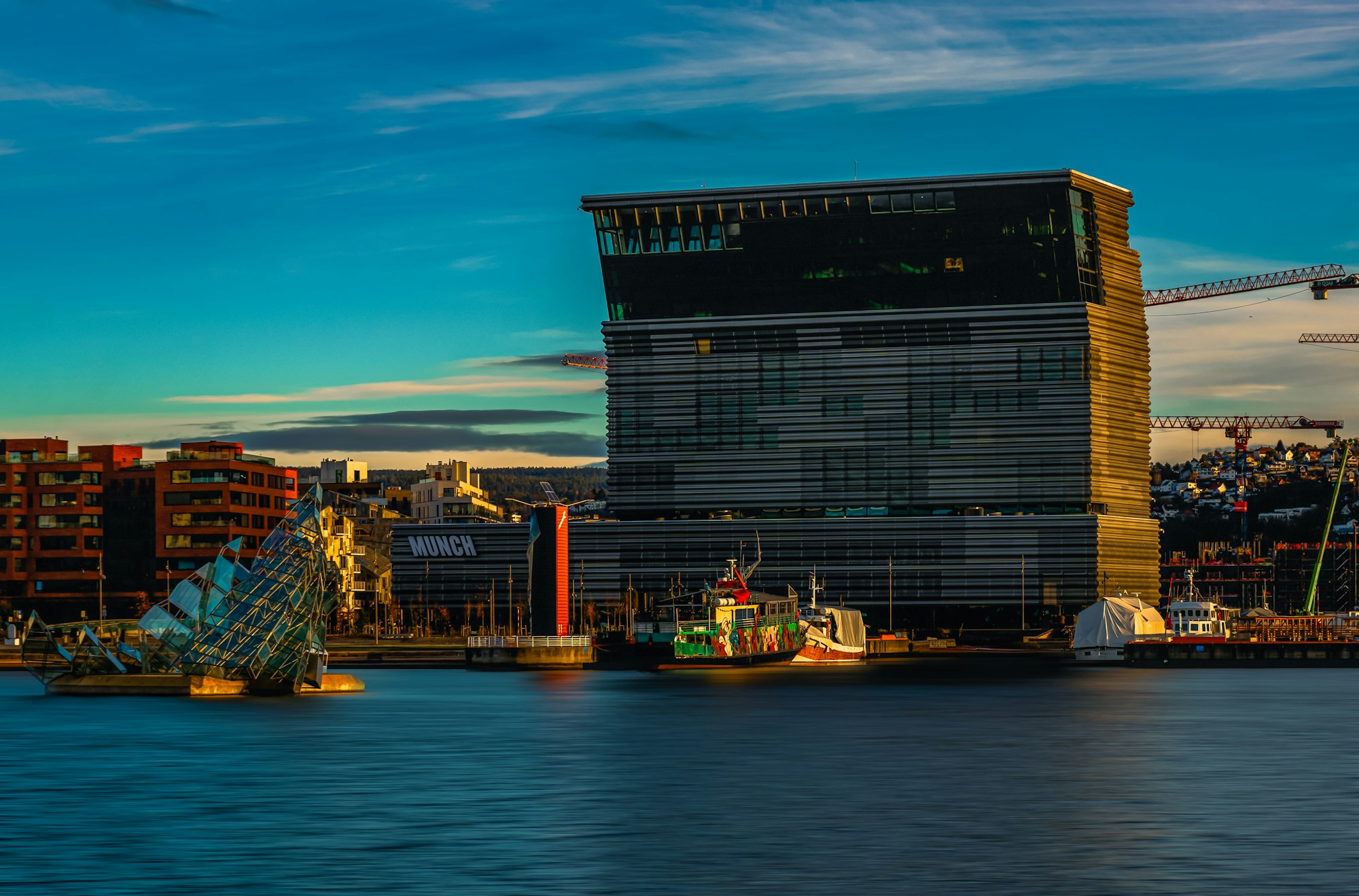
Want to experience the iconic Oslo for yourself? Our Norway Discovery journey combines scenic rail travel, breathtaking fjord landscapes, and charming Nordic cities into one seamless Norway itinerary. Explore Oslo, Flåm & Bergen
Explore Norway ToursExploring Oslo’s Unique Neighborhoods
To truly know Oslo, you have to leave the main street, Karl Johans gate, and explore the distinct pockets where the locals live.
Sentrum: The Heart of the Action
This is where you’ll find the Parliament (Stortinget), the Royal Palace, and the main shopping districts. It’s bustling, convenient, and the best place to stay if you want to be within walking distance of the major museums like the Viking Ship Museum, the Kon-Tiki Museum, guided tours, and sightseeing hotspots.
Grünerløkka: The Hipster Hub
Once a gritty industrial area, "Løkka" is now the coolest neighborhood in the city. Think independent boutiques, vintage shops, and a dense concentration of third-wave coffee bars. It’s centered around the Akerselva river, where you can walk along the waterfalls and former grain mills.
Aker Brygge & Tjuvholmen: Modern Luxury on the Waterfront
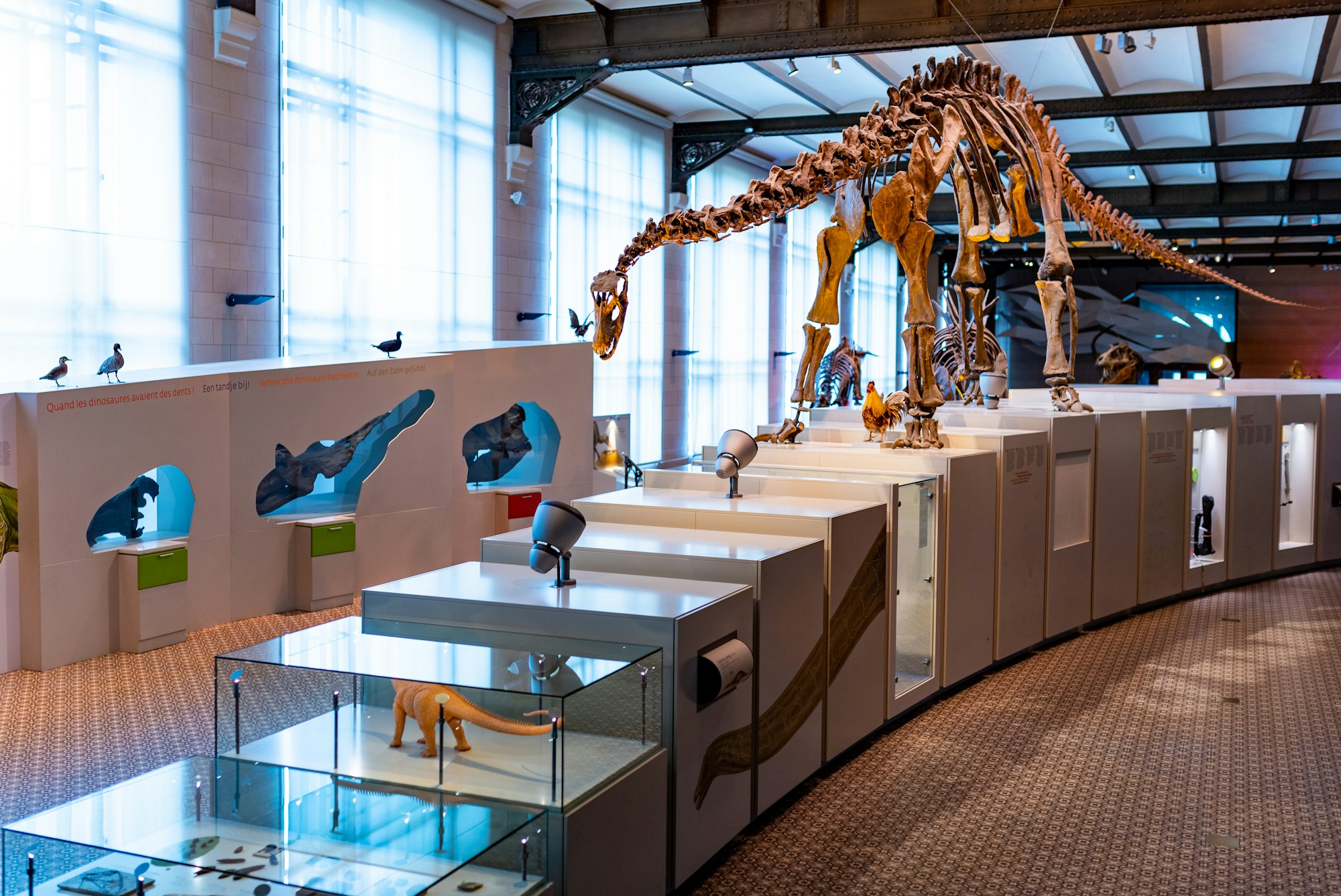
This is Oslo at its most polished. Aker Brygge is a boardwalk lined with high-end restaurants and bars. If you continue walking, you reach Tjuvholmen (Thief Island), an architectural showcase that houses the Renzo Piano-designed Astrup Fearnley Museum of Modern Art. This is the place for people-watching and expensive seafood.
Majorstuen: High-End Shopping and Leafy Streets
Located near Frogner Park, this area is defined by its elegance. Bogstadveien is the premier shopping street, filled with international brands and upscale boutiques. It’s a quieter, more residential area that feels distinctly "Old Oslo."
Eat and Drink: From Brown Cafes to Michelin Stars
Norwegian food has undergone a revolution. What was once seen as humble peasant fare has been elevated by the New Nordic movement, focusing on hyper-local, seasonal ingredients.
Traditional Norwegian Cuisine You Must Try
Don't leave without trying Kjøttkaker (Norwegian meatballs served with pea purée and lingonberry jam). If you’re feeling adventurous, look for Brunost - a brown, caramelized whey cheese that tastes like savory fudge. It’s best served on a thin slice of sourdough or a Norwegian waffle. For seafood, the winter Skrei (arctic cod) is unparalleled.

Mathallen: A Foodie’s Paradise
Located in the Vulkan neighborhood, Mathallen is an indoor food hall that serves as a temple to Norwegian produce. You can find everything from artisanal cheeses and reindeer sausages to high-end sushi and Italian gelato. It’s the perfect place for a group with diverse tastes.
Practical Advice for a Seamless Trip
Budgeting: How to Manage the High Cost of Living
Yes, Oslo is expensive, but it’s manageable. To save money:
- Drink tap water: It is some of the purest in the world. Buying bottled water is a waste of money and plastic.
- Lunch is cheaper: Many high-end restaurants offer "Lunsj" specials that are a fraction of the dinner price.
- The Oslo Pass: If you plan on visiting more than two museums a day, the Oslo Pass pays for itself by covering entry fees and all public transport.
Language, Currency, and Tipping Etiquette
Almost everyone in Oslo speaks flawless English. You will rarely encounter a language barrier. Norway uses the Norwegian Krone (NOK), not the Euro. However, Norway is nearly a cashless society. You can go an entire week without ever seeing a physical coin - even street performers and public toilets accept cards or phone payments. Tipping is not mandatory, but rounding up the bill or adding 10% for excellent service at a restaurant is appreciated.
Sustainability: Traveling Green in a Green City
Oslo was the European Green Capital in 2019, and they take it seriously. Help them out by using the recycling bins found throughout the city. If you buy a plastic bottle or can, you’ll notice a "Pant" price on the label. Take the empty bottle to a reverse vending machine at any grocery store to get your deposit back in cash or a voucher.
Day Trips from Oslo: Exploring Beyond the City Limits
If you have an extra day or two, use Oslo as a base to see the surrounding landscape.
Holmenkollen: The World-Famous Ski Jump
Just a 20-minute metro ride from the city center, the Holmenkollen jump is an architectural marvel. Even if you aren't a ski fan, the view from the top is breathtaking, and the Ski Museum underneath the jump is the oldest of its kind in the world.
Drøbak: The Christmas Town
A one-hour bus or ferry ride south takes you to Drøbak, a charming village of wooden houses. It is the "official" home of Santa Claus in Norway, featuring a year-round Christmas house. It’s also home to Oscarsborg Fortress, a site of massive historical significance from WWII.
Myrdal and Flåm: Norway’s Most Scenic Railway Journey
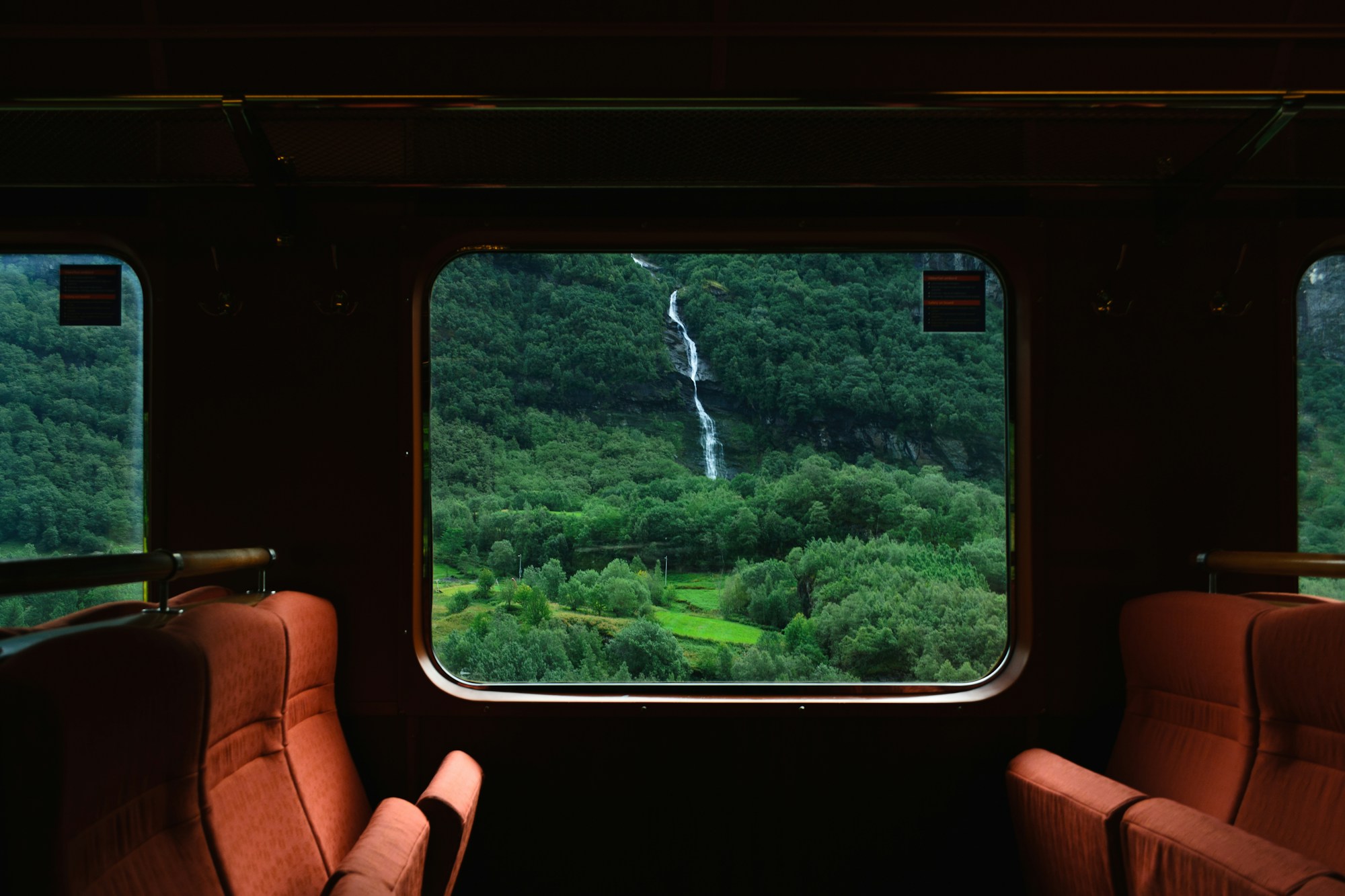
While technically a long day, it is possible to do a "Norway in a Nutshell" tour from Oslo. This involves taking the train to Myrdal and switching to the famous Flåm Railway, one of the steepest and most beautiful train journeys in the world. It’s the fastest way to see the deep fjords if you are short on time.
Your Final Checklist Before You Fly
Before you zip up your suitcase, run through this mental list:
- Layers, layers, layers: Even in summer, a windbreaker or a light sweater is necessary for the evening breeze off the fjord.
- Comfortable walking shoes: Oslo is a walking city. Leave the heels at home; the cobblestones of the city center are unforgiving.
- Power Adapter: Norway uses Type C and F plugs (standard European two-pin).
Oslo is a city that rewards the curious. It’s not a place where you check boxes on a list of monuments; it’s a place where you slow down, breathe the sea air, and appreciate the balance between a modern metropolis and the wild, untamed north. Pack your sense of adventure - and perhaps a sturdy umbrella - and get ready to fall in love with the Tiger City.
Ready to start planning your Norway adventure?
At Global Basecamps, we specialize in creating fully custom Norway itineraries designed around your travel style, interests, and pace - from Oslo and the fjords to Arctic landscapes and beyond.
Start Planning Your Norway Journey
Request Your Custom Norway Quote