

Angkor Wat & Beyond:
How to Choose Your Perfect Cambodia Tour
Planning a trip to Cambodia is often born from a single image: the sun rising behind the five iconic lotus towers of Angkor Wat. It is a bucket-list moment that lives up to the hype, but if you treat Cambodia as just a single photo op, you’re leaving the best parts of the country on the table.
Booking a tour here isn’t like booking a bus tour in London or a museum skip-the-line pass in Paris. Cambodia is a sensory explosion - a mix of dusty red roads, chaotic markets, heartbreaking history, and the kindest people you will ever meet. Because the infrastructure is still developing and the history is so layered, the way you choose to explore will be the difference between a trip that feels like a humid "march of the monuments" and one that changes your perspective on the world.
Why Finding the Right Cambodia Tour is More Complex Than a Plane Ticket
You can book a flight to Siem Reap in five minutes, but choosing how you’ll spend your days there requires a bit more soul-searching. Unlike many Western destinations, Cambodia’s "must-see" sites are spread out, often poorly marked, and deeply tied to complex religious and political narratives. Without a curated plan, you aren't just missing out on facts; you’re missing the soul of the place.
The "Temple Fatigue" Trap
New travelers often make the mistake of trying to see every pile of stones in the Angkor Archaeological Park. By day two, under the relentless Southeast Asian sun, the 12th-century carvings begin to blur together. This is "temple fatigue," and it’s the primary reason people leave Cambodia feeling exhausted rather than inspired.
A well-structured tour avoids this by pacing your visits. It mixes the grand, sprawling temples with quiet, shaded ruins where the jungle is still reclaiming the stone. It knows when to pull you away from the crowds for a cold coconut and a conversation with a local monk, ensuring that each site remains distinct and meaningful in your memory.
Why a Guide Changes Everything
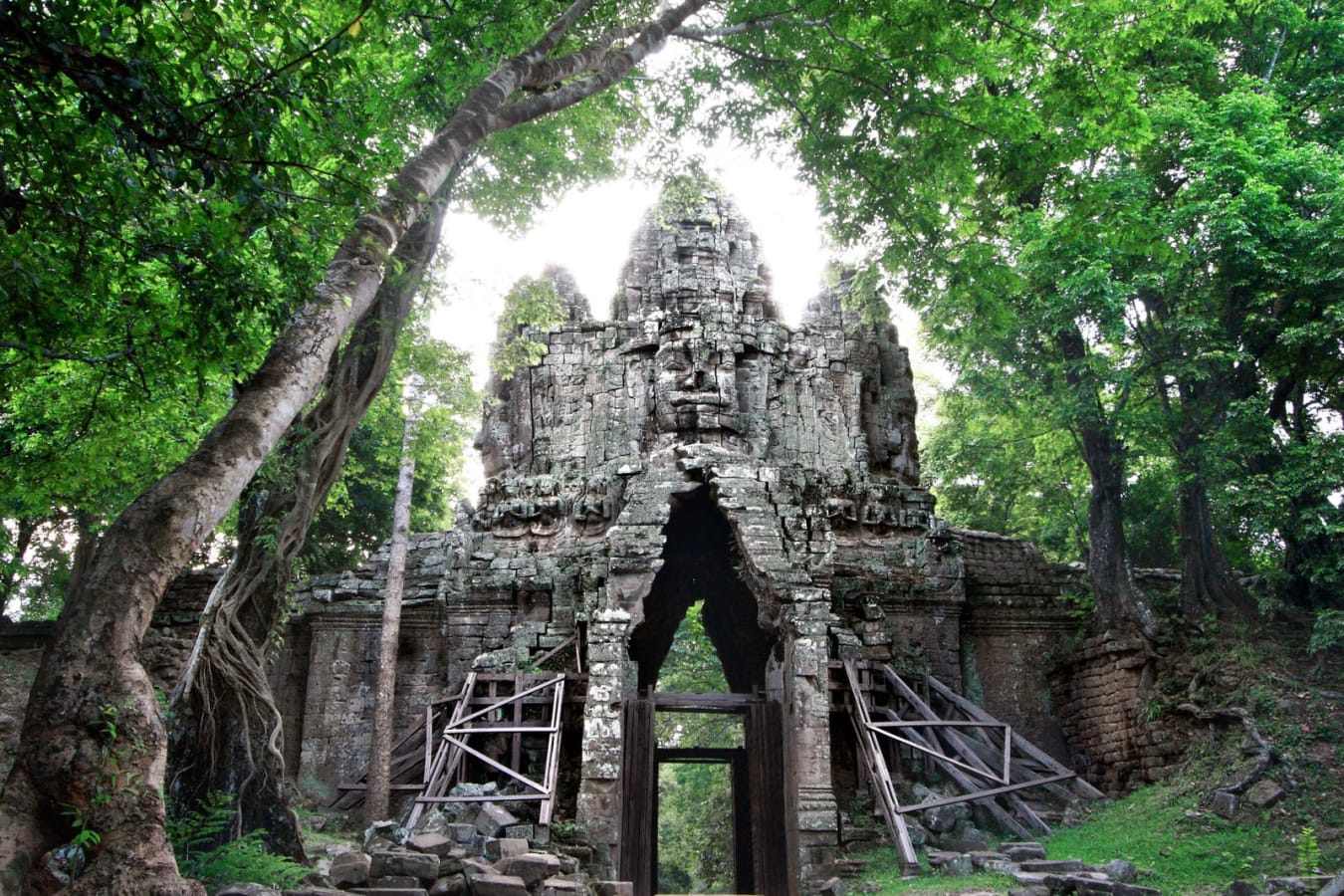
In Cambodia, a guide is not just a walking encyclopedia; they are a bridge. When you stand before the Bayon temple, you see 216 giant smiling faces carved into stone. Without a guide, they are beautiful statues. With a guide, you learn they represent the Avalokiteshvara - a symbol of compassion - and your guide might share how that concept of compassion helped their own family reconcile with the country's turbulent past.
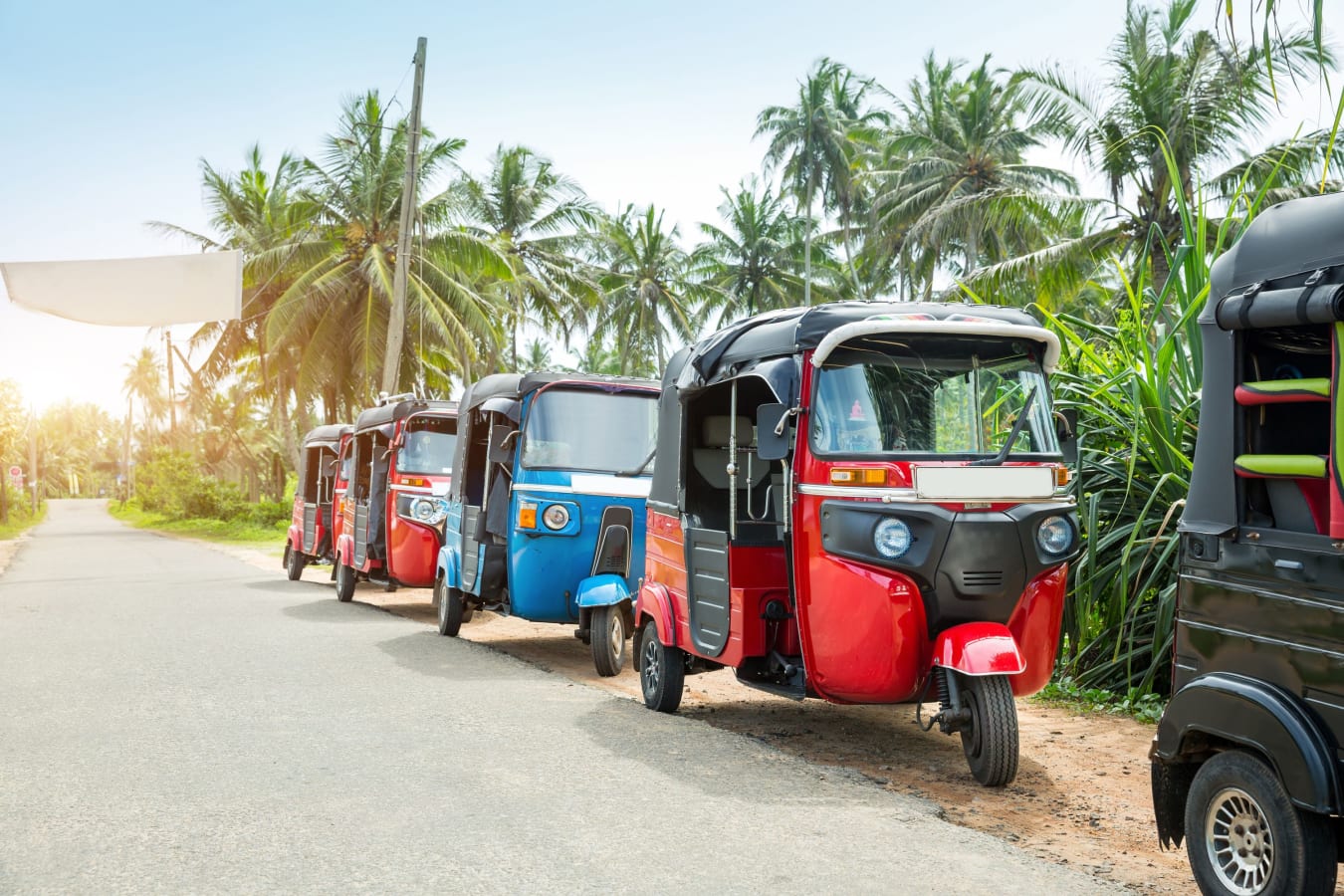
Furthermore, navigating the logistics of "tuktuk" drivers, entry checkpoints, and the best times to avoid the tour bus surges is a full-time job. A professional guide handles the friction so you can focus on the magic.
The Different Faces of Cambodia: Which One Are You Visiting?
Cambodia is not a monolith. Depending on where you point your compass, you’ll find vastly different atmospheres. Most high-quality tours focus on one of these four distinct "faces" of the country.
The History Buff’s Circuit (Siem Reap & Angkor)
If your primary goal is to walk in the footsteps of kings, your home base is Siem Reap. This is the gateway to the Khmer Empire. Tours here focus on the evolution of architecture, from the early brick towers of the Roluos group to the sprawling stone masterpieces of the 12th century. It’s a place where you’ll spend your days decoding bas-reliefs and your evenings exploring the vibrant (and increasingly sophisticated) culinary scene of the city.
If Angkor Wat, Siem Reap, and Cambodia's rich cultural heritage are at the top of your travel wish list, our Cambodia Explorer journey is designed to immerse you in the country's most iconic temples, vibrant cities, and authentic local experiences. Explore the Cambodia Explorer Tour
Explore the Cambodia Explorer Tour
The Urban Explorer’s Pulse (Phnom Penh)
The capital city, Phnom Penh, is a whirlwind. It’s where the Mekong River and Tonle Sap meet, and where French colonial villas sit next to glittering pagodas and modern skyscrapers. Tours here are often more intense, focusing on the country’s 20th-century political history, but they also offer a glimpse into Cambodia's future under leaders like Hun Manet - its booming coffee culture, art galleries, and the pulse of a nation on the move.
The Coastal Escape (Koh Rong & Sihanoukville)
For those who need to decompress after days of trekking through ruins, the south coast along the Gulf of Thailand is the answer. While Sihanoukville has become a major construction hub, the nearby islands like Koh Rong and Koh Rong Samloem remain tropical paradises. Specialized tours here focus on marine life, phosphorescent plankton swims, and "slow travel" at eco-resorts that feel worlds away from the bustle of the north.
Looking for a journey that combines Cambodia's cultural treasures with its beautiful coastline? Our Temples, Jungles & Private Islands itinerary blends iconic temple exploration with remote natural landscapes and relaxing island escapes. Explore Temples, Jungles & Private Islands

The Off-the-Beaten-Path Adventurer (Battambang & Mondulkiri)
If you want to see the "real" Cambodia, look for tours that head west to Battambang or east to the highlands of Mondulkiri. Battambang is the country’s artistic heart, famous for its bamboo train and colonial charm. Mondulkiri offers a completely different climate - rolling green hills, waterfalls, and ethical elephant sanctuaries. These tours are for the traveler who doesn't mind a longer car ride in exchange for a glimpse of rural life untouched by mass tourism.
Top-Rated Angkor Wat Experiences: Beyond the Sunrise
Everyone goes for the sunrise, but the "perfect" Angkor tour doesn't end when the sun is up. To truly experience the park, you need to look for itineraries that offer a unique angle.
The Standard Circuit: Angkor Wat, Bayon, and Ta Prohm
This is the "Small Circuit." It hits the big three, including the fortified city of Angkor Thom. If you only have one day, this is what you do. However, a great tour operator will run this circuit in reverse or at odd hours to ensure you aren't standing shoulder-to-shoulder with a thousand other people.
The Photography-Focused Tour
Angkor is a playground for photographers, but the lighting is tricky. Specialized photography tours are led by pros who know exactly which window frame at Preah Khan catches the light at 10:00 AM. They focus on the interplay of moss, stone, and shadow, moving at a much slower pace to ensure you get the shot.

The "Secret Entrance" and Remote Temple Trek
For the adventurous, look for tours that take you to "outlying" temples like Beng Mealea or Koh Ker. Beng Mealea is a massive, unrestored temple where you can scramble over fallen stones like an early explorer. Some tours even offer mountain biking through the forest trails of the Angkor Park, allowing you to enter temples through "back doors" where there are no ticket booths or crowds - just the sound of cicadas and ancient history.
Essential Activities Every Cambodia Itinerary Needs
Beyond the temples, Cambodia offers experiences that provide a deeper understanding of its culture and resilience.
The Phare Circus: More Than Just a Show
In Siem Reap, the Phare Ponleu Selpak (The Cambodian Circus) is a must. It’s not about animals; it’s a high-energy mix of theater, music, dance, and modern circus arts. The performers are all graduates of a vocational training center that helps underprivileged youth. It is storytelling at its finest, often depicting Cambodian history or folklore with incredible athleticism.
Extend Your Journey Beyond Cambodia
Cambodia pairs beautifully with neighboring destinations like Luang Prabang, allowing travelers to experience multiple cultures, cuisines, and landscapes in one seamless itinerary. Consider combining Cambodia with Vietnam or Thailand for an even deeper Southeast Asia adventure, perhaps adding a visit to Hanoi, the lantern-lit streets of Hoi An, and the imperial city of Hue, or a cruise through the Mekong Delta and Halong Bay to your itinerary. Journey Through Cambodia & Southern Vietnam, Thailand Heritage Explorer
Explore Cambodia and Southern VietnamEthical Wildlife Encounters in Mondulkiri
If your tour takes you east, look for projects like the Elephant Valley Project. They focus on elephant welfare rather than tourist rides. You’ll spend your day hiking through the jungle to watch elephants just... being elephants. It’s a powerful lesson in conservation and a highlight for any animal lover.
Navigating the Dark History: Tours of the Khmer Rouge Era
You cannot understand the modern Kingdom of Cambodia without acknowledging the tragedy of the Khmer Rouge regime (1975-1979). While heavy, visiting these sites is a way to honor the victims and witness the incredible resilience of the survivors.
The Killing Fields and S-21: How to Visit Respectfully
Most tours in Phnom Penh include Choeung Ek (The Killing Fields) and Tuol Sleng (S-21 Prison). These are not "tourist attractions"; they are memorials. Dress modestly (shoulders and knees covered), speak quietly, and follow the audio guides or your human guide’s instructions.
The Importance of a Specialized Educational Guide
For these sites, a guide is invaluable. Many guides lived through this era or had parents who did. Their personal stories transform the statistics into a human narrative. They can help you process the experience and explain how the country has navigated the long road to justice and healing through the UN-backed tribunals.
Official Resources and Practical Logistics
Before you book, you need to understand the "boring but important" details that keep your trip running smoothly.
Visa Requirements and Entry Procedures
Most nationalities require a Cambodia visa to enter the country. You can get a 30-day tourist visa on arrival at the major airports (Siem Reap and Phnom Penh) for $30 (bring a crisp U.S. dollar bill). However, to save time, I highly recommend the e-visa ($36) through the official government portal. It saves you from waiting in an extra line at the airport.
The Best Time of Year to Book Your Tour
- The Peak Season (November to February): The weather is "cool" (around 25-30°C) and dry. This is when the crowds are biggest and prices are highest.
- The Shoulder Season (March to May): It gets incredibly hot - sometimes over 40°C. Only book now if you can handle extreme heat.
- The Green Season (June to October): This is the monsoon season. Don't let the "rain" scare you; it usually falls in short, spectacular bursts in the afternoon. The countryside is lush and green, the temples are covered in moss, and the crowds are gone. This is often the best time for photography and finding deals on luxury tours.
Planning Your Budget: What Does a Quality Tour Actually Cost?
Cambodia is famous for being "cheap," but you get what you pay for. A $10 tour of Angkor Wat will likely involve a driver who speaks little English and a crowded bus, whereas high-quality small group tours offer a more personalized experience.
The Reality of Tipping Culture in Cambodia
While not strictly mandatory, tipping is a vital part of the local economy and is deeply appreciated.
- Guides: $10-$20 per day (depending on group size).
- Drivers: $5-$10 per day.
- Small gestures: $1 for hotel porters or a little extra for your tuktuk driver goes a long way.
Always tip in USD or the local Cambodian Riel (the exchange is roughly 4,000 Riel to $1).
Final Checklist: Before You Hit "Book"
Before you commit to a tour, ask yourself these three questions:
- Does this tour company prioritize "responsible tourism"? Look for those that employ local guides, support community projects, and have a clear policy against animal exploitation.
- Is the pace sustainable? If an itinerary promises three cities in five days, you’ll spend your whole trip in a van. Look for "slow travel" options.
- What’s included? Does the price include the Angkor Pass, water, and lunch? Those $37-per-person entrance fees can add up if you haven't budgeted for them.
Cambodia is a country that rewards the curious and the respectful. Whether you are standing in the shadow of a thousand-year-old temple or sharing a laugh with a street food vendor in Phnom Penh, the right tour doesn't just show you the sights - it helps you understand why they matter. Choose your guide, pack your sunscreen, and get ready for a journey that stays with you long after the dust has settled.
Looking for a Cambodia Journey Designed for You?
Whether you're interested in ancient temples, vibrant cities, cultural immersion, tropical islands, or combining Cambodia with neighboring countries, our travel specialists can help you find the right itinerary for your interests and travel style. Start Planning with Global Basecamps
Request a Custom Cambodia Plan