
From the Serengeti to Stone Town:
Planning Your Perfect Route
Tanzania is a land of dramatic contrasts, where the raw, visceral energy of the savannah meets the turquoise tranquility of the Indian Ocean. It is one of the few places on Earth where you can spend your morning watching a lioness hunt in the high grass and your evening sipping a spiced cocktail by turquoise waters as a dhow sail flickers against a Zanzibar sunset.
This isn’t just a vacation; it’s a sensory overhaul. However, the logistics of combining a deep-bush safari with a tropical island getaway can be daunting. Between light aircraft weight restrictions, the timing of the Great Migration, and the cultural shift from the mainland to the archipelago, there is a lot to get right. This guide is your blueprint for navigating that complexity, ensuring everything from airport transfers to your transition from the dust of the Serengeti to the culture of Stone Town is as seamless as the landscapes are breathtaking.
Ready to bring this journey to life? Designing a seamless experience from the Serengeti to Zanzibar takes careful planning, often requiring the expertise of a specialized tour operator to curate a private safari. Global Basecamps is here to help you design a trip that reflects exactly how you want to travel. Start Planning Your Custom Tanzania Journey!
The Ultimate Tanzania and Zanzibar Blueprint: Why This Route Matters
The "Bush and Beach" combination is the gold standard of an Africa safari for a reason: balance. A safari is exhilarating, but it is also exhausting. You are up before dawn, bouncing over corrugated roads in a 4x4 during exhilarating game drives, and processing the sensory overload of seeing the "Big Five" in their natural habitat. By day six, your body will crave stillness.
The route from the Northern Circuit ( Serengeti, Ngorongoro, Tarangire) to Zanzibar offers a narrative arc that feels earned. You start with the rugged safari adventure of the mainland and "decompress" on the islands. Choosing this specific route also minimizes travel time. Because of the well-established flight corridors between the Serengeti bush strips and Zanzibar’s Abeid Amani Karume International Airport, you can literally be tracking leopards at 8:00 AM and swimming in the ocean by 3:00 PM.
Understanding the Logistics of an East African Odyssey
Success in Tanzania lies in respecting the geography. This is a massive country, than Texas and Oklahoma combined, and the infrastructure varies wildly between the paved streets of Dar es Salaam and the dirt tracks of the Serengeti.
The Best Time to Visit: Weather, Wildlife, and Water
Timing your trip is the most critical decision you will make. Tanzania has two rainy seasons: the "long rains" (mid-March to May) and the "short rains" (November).
For the ultimate experience, aim for the Dry Season (late June to October). This is when wildlife viewing is at its peak because animals congregate around dwindling water holes, making them easier to spot. This also coincides with the Great Migration’s dramatic river crossings in the Northern Serengeti. In Zanzibar, these months offer clear skies and low humidity.
If you prefer lush green landscapes and lower prices, the "Green Season" (January to March) is a hidden gem. This is calving season in the southern Serengeti, where thousands of wildebeest are born daily, attracting high predator action. Just be prepared for shorter, sporadic rain showers and higher humidity on the coast.
Navigating Domestic Travel: Bush Flights
In Tanzania, "the journey is the reward" is a lovely sentiment, but "the flight is the time-saver" is the reality. To get from the safari parks to Zanzibar, bush flights will be your best option.
Small planes (like Cessnas and Caravans) act as the Uber of the sky, landing on dirt airstrips right inside national parks. This is by far the most efficient way to move between destinations, with direct flights from the Serengeti to Zanzibar taking just 2 to 3 hours.
For most travelers, the “Fly-in Safari” model is the clear winner. It maximizes your time where it matters most, on safari and enjoying your destination, instead of spending long hours in transit.
Visa Requirements and Health Preparations
Most international travelers require a visa to enter Tanzania. While you can get a "Visa on Arrival," the queues at Kilimanjaro International Airport (JRO) can be grueling after a long-haul flight. Apply for an e-Visa online at least three weeks before departure to breeze through immigration.
Health-wise, Tanzania is a malaria-endemic zone. Consult a travel clinic about prophylactic medication. Additionally, if you are traveling to Zanzibar from certain countries (or have a long layover in a country like Ethiopia or Kenya), you may be asked for proof of a Yellow Fever vaccination. Keep your "Yellow Card" with your passport at all times.
Determining Your Budget: From Mid-Range to Ultra-Luxury
A Tanzania safari is rarely a "budget" destination in the traditional sense. However, you can control costs by choosing your level of "bush comfort."
- Mid-Range: Think permanent tented camps with real beds and ensuite bathrooms. You’ll have a professional safari guide and a solid 4x4 vehicle.
- Luxury: Think "Glamping" on steroids for a true luxury safari experience. Private plunge pools, gourmet three-course meals in the middle of the savannah, and fly-in logistics that bypass all bumpy roads. Estimating Costs for a 10-Day vs. 14-Day Trip
Phase One: The Northern Circuit Safari
The Northern Circuit is the crown jewel of African wildlife and one of the premier safari destinations in northern Tanzania. Unlike the parks in the south, such as the Selous Game Reserve, these areas are relatively close together, minimizing transit time and maximizing "eyes-on-animals" time.
The Gateway: Arusha and the Foothills of Kilimanjaro
Your journey begins in Arusha, a bustling city that sits in the shadow of Mount Meru. Most travelers spend one night here to recover from international flights. On a clear day, the snow-capped peak of Mount Kilimanjaro looms in the distance, a silent sentinel reminding you that you’ve truly arrived in Africa. Arusha is the best place to change money, buy last-minute safari gear, and visit a coffee plantation for a fresh brew.
Tarangire National Park: Land of the Giants
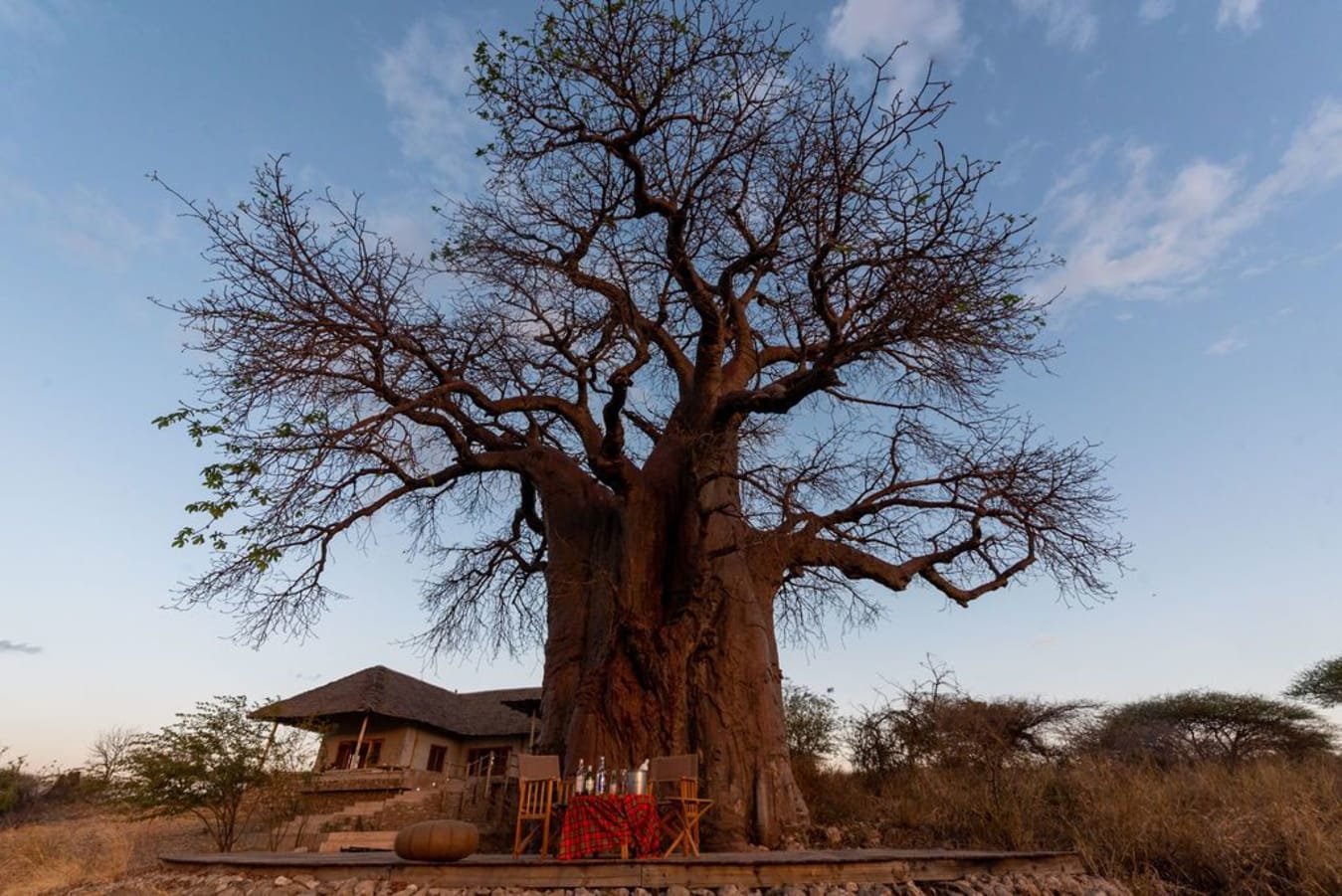
Often overshadowed by the Serengeti or Lake Manyara National Park, Tarangire is my personal recommendation for a first stop. It is famous for two things: ancient, bulbous Baobab trees and massive herds of elephants. During the dry season, the Tarangire River becomes the only water source for miles, drawing thousands of animals. It offers a more intimate, rugged experience than many standard safari tours in the more famous parks, and the birdlife here is unparalleled.
The Ngorongoro Crater: Africa’s Eden
Imagine a collapsed volcano that has created a self-contained ecosystem 2,000 feet deep. The Ngorongoro Crater is a natural amphitheater and one of the best places in the world to see the endangered Black Rhino.
Because the animals here don’t migrate out of the caldera, the wildlife density is staggering. You can see lions, hyenas, flamingos, and hippos all within a few square miles. The catch? It is popular. Be the first vehicle at the crater gate at 6:00 AM to experience the "Garden of Eden" before the midday crowds arrive.
The Serengeti: Chasing the Great Migration
The Serengeti National Park is not just a park or a typical game reserve; it is an idea. The name comes from the Maasai word Siringet, meaning "endless plains." This is where you witness the Great Wildebeest Migration, the movement of 1.5 million wildebeest and zebras.
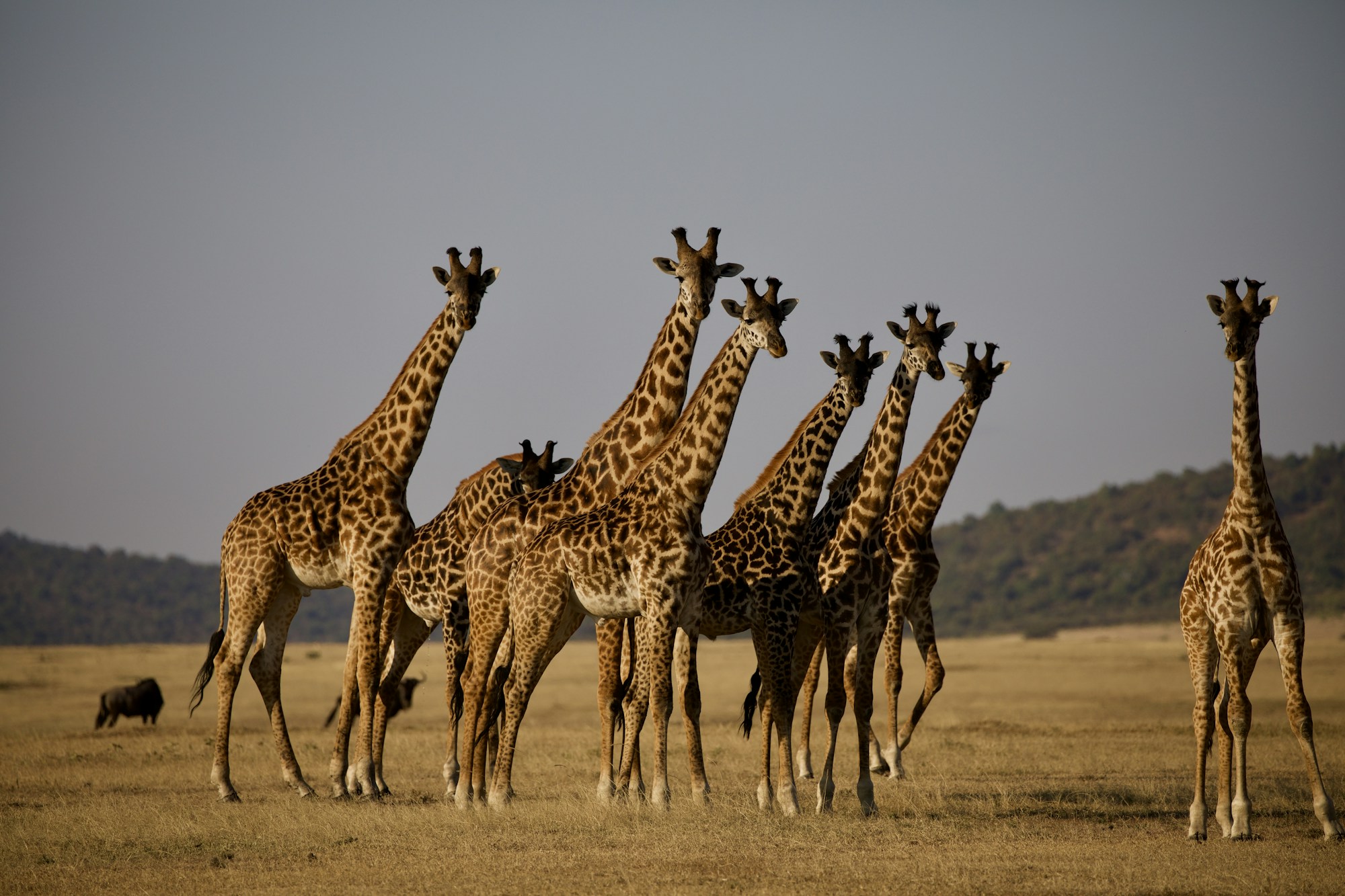
Where you stay in the Serengeti depends entirely on the month. From July to October, you want to be in the North (Kogatende) to see the Mara River crossings, while the Central Serengeti offers excellent resident game year-round. From December to March, you should be in the South (Ndutu) for calving season. The Serengeti is where you’ll experience the "Big Five" (Lion, Leopard, Elephant, Buffalo, Rhino), perhaps from a hot air balloon, spot the elegant giraffe, and gain a true sense of the scale of the African wilderness.
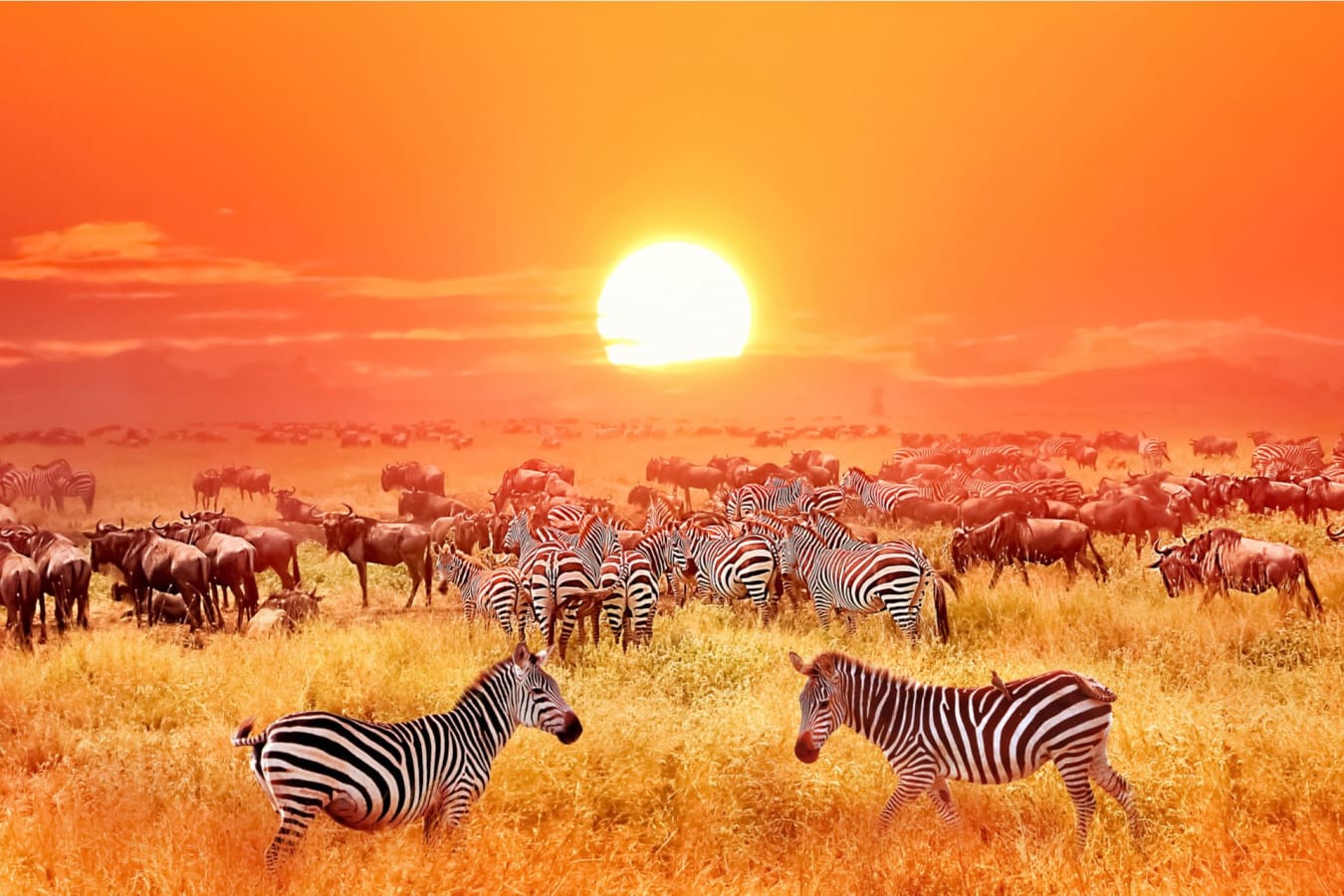
Ready to experience the Northern Circuit for yourself? Our Northern Circuit Wildlife & Migration Safari brings together Tarangire, Ngorongoro Crater, and the Serengeti into one expertly designed journey.
Explore Tanzania Tours & SafarisThe Transition: Flying from the Bush to the Beach
Leaving the Serengeti is bittersweet, but the transition is a marvel of logistics. You will likely depart from a small airstrip like Seronera or Kogatende. You’ll check in, your bags will be weighed on a manual scale, and you’ll board a 12-seater plane.
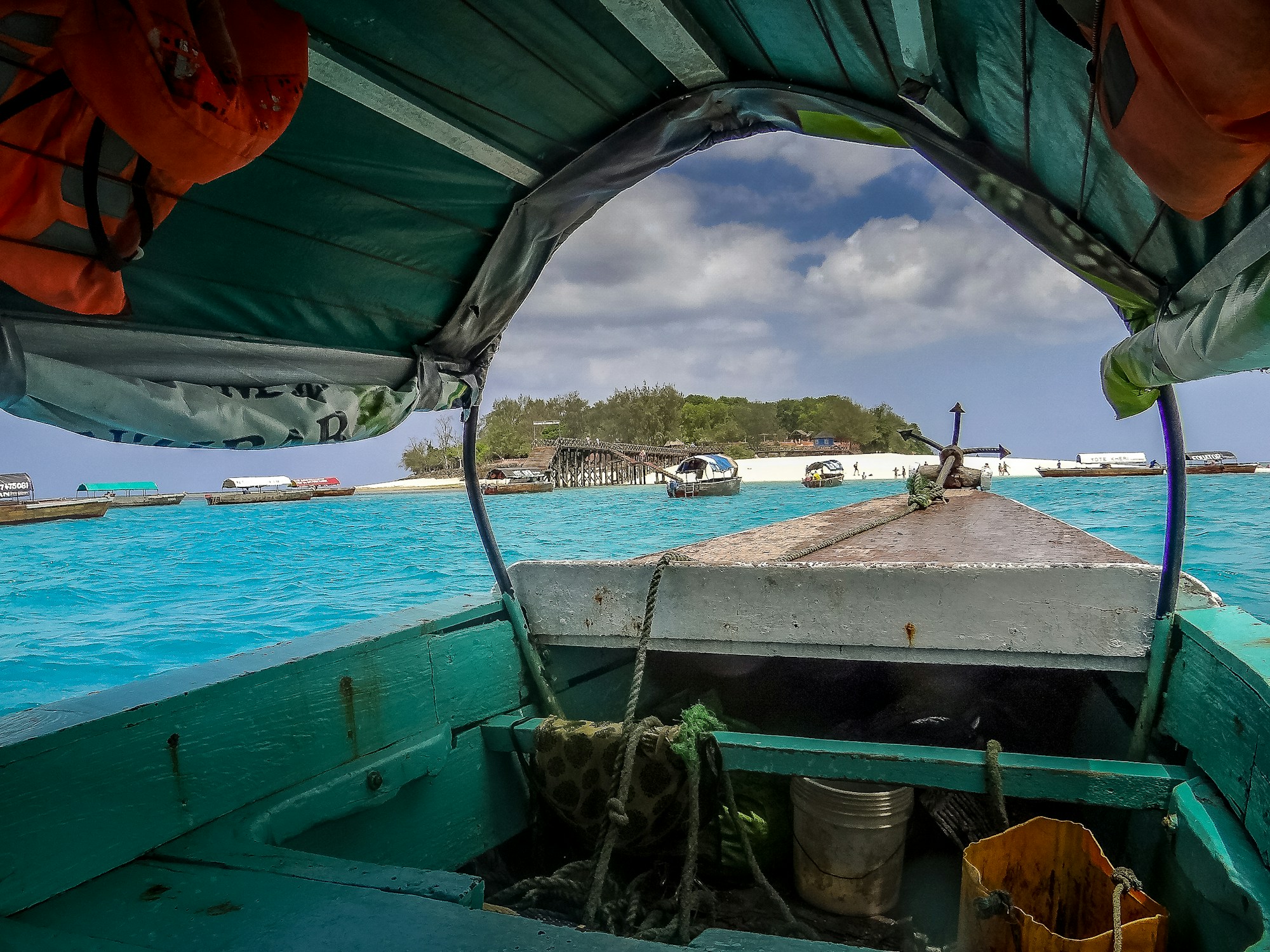
As you fly southeast, the golden plains turn into lush green mountains, then give way to the sprawling sprawl of Dar es Salaam, before finally crossing the turquoise "Zanzibar Channel." Seeing the coral reefs from 10,000 feet is the perfect palate cleanser before you land on the "Spice Island."
Phase Two: The Magic of Zanzibar (Unguja)
Zanzibar is an archipelago, with the main island being Unguja, commonly known as Zanzibar Island. It is a melting pot of African, Arabian, Indian, and European influences, forged through centuries of the spice trade and a darker history of the slave trade.
Stone Town: A Walk Through History and Spice
Do not rush to the beach. Spend at least 48 hours in Stone Town, a UNESCO World Heritage site. It is a labyrinth of narrow alleys where the smell of cloves and roasting coffee hangs heavy in the air, a world away from the Jozani Forest where colobus monkeys roam.
- The Doors of Stone Town: Look for the intricate brass-studded wooden doors, they are status symbols that tell the history of the house’s original owner.
- Forodhani Gardens: Every evening, this waterfront park turns into a night market. Try the "Zanzibar Pizza" (a savory crêpe) and fresh sugarcane juice.
- The Spice Tour: It sounds touristy, but it’s fascinating. You’ll see how cinnamon, nutmeg, and black pepper actually grow, and why this island was once the center of a global empire.
The Northern Beaches: Nungwi and Kendwa for Sunset and Sand
If you want the postcard-perfect Zanzibar experience, white sand, crystal-clear waters, and swimming regardless of the tide, head north.
Nungwi and Kendwa are the most developed areas. They offer a vibrant atmosphere with beach bars, sunset dhow cruises, and excellent diving and snorkelling. Because they are on the tip of the island, they offer the rare Zanzibar sunset over the ocean. This is the place for those who want social energy and a "toes-in-the-sand" party vibe.
The East Coast: Paje and Jambiani for a Slower Pace
For a more authentic, "slow travel" vibe, the East Coast is unmatched. Paje is the world’s kitesurfing capital, filled with colorful sails and boutique eco-hotels.
The East Coast is highly tidal; when the tide goes out, the ocean retreats for hundreds of yards, revealing a moonscape of coral pools and seaweed farms tended by local women. It is quieter, more rhythmic, and deeply relaxing. It’s the perfect place to finish a book or take long walks on empty beaches.
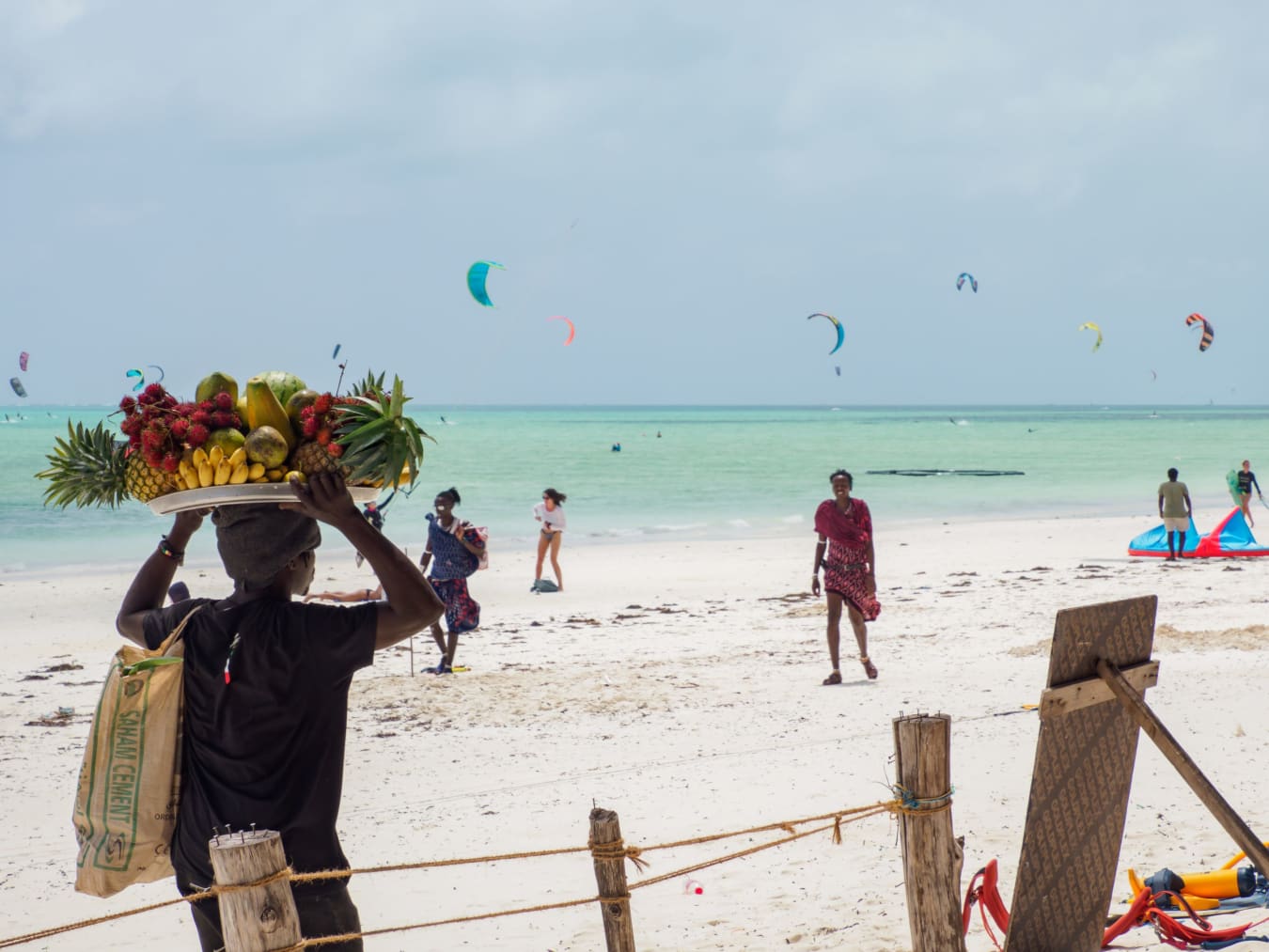
Ready to pair your safari with time on a pristine Zanzibar beach? Our Private Wildlife Safari & Zanzibar journey is designed to combine the best of both worlds, expertly guided wildlife experiences in Tanzania’s iconic parks, followed by time to unwind on Zanzibar’s white-sand beaches.
Expert Tips for a Seamless Experience
A trip of this magnitude requires more than just a flight booking. It requires an understanding of the small "frictions" that can occur in East Africa.
Packing Essentials: What the Safari Vehicle and Small Planes Require
The most important rule: Soft-sided bags only. Small bush planes have tiny cargo pods. Hard-shell suitcases literally will not fit. Keep your luggage under 15kg (33lbs).
- Clothing: Neutral colors (khaki, olive, tan) are best for the safari. Avoid bright blue and black, they attract Tsetse flies.
- Layers: The savannah is freezing at 5:00 AM and scorching by noon.
- Footwear: You don’t need heavy hiking boots unless you are trekking. Sturdy sneakers or trail runners are fine for most safaris.
Cultural Etiquette in Zanzibar: Respecting Local Traditions
While the beaches are relaxed, remember that Stone Town and the local villages are conservative Muslim communities.
- Dress Code: When walking through Stone Town or villages, women should cover their shoulders and knees. Men should avoid walking around shirtless. Save the swimwear for the resort pool or the beach.
- Photography: Always ask permission before taking photos of locals, especially children or elders.
- Alcohol: Alcohol is widely available in hotels and resorts, but be discreet when carrying it in public areas.
Staying Connected: SIM Cards and Wi-Fi Realities
Do not rely on your home country's roaming plan; it will be expensive and slow.
- Buy a Local SIM: Pick up a Vodacom or Airtel SIM card at the airport. Data is incredibly cheap.
- Wi-Fi: Most safari lodges have Wi-Fi in the common areas, but rarely in the tents. In Zanzibar, beach resorts usually have decent connectivity, but the "island pace" applies to internet speeds too. Treat the bush as a "digital detox" zone, you’ll appreciate the lions more if you aren't checking your email.
Final Preparations for Your Tanzanian Adventure
Planning a trip from the Serengeti to Stone Town is an exercise in anticipation. You are preparing to witness some of the oldest rhythms of the natural world on the mainland, followed by some of the richest cultural tapestries on the coast.
Check your passport validity (it needs at least six months left), print your e-visa, and start breaking in your safari shoes. Tanzania doesn't just change your location; it changes your perspective. When you find yourself sitting in a silent safari vehicle, watching a mother cheetah groom her cubs under an umbrella tree, the logistics of the planning will feel like a small price to pay for a front-row seat to the greatest show on Earth.
Pack your binoculars, bring an open heart, and get ready for the journey of a lifetime. Karibu sana, you are very welcome. Start Planning Your Tanzania Adventure with Global Basecamps!
Start Planning Your Tanzania Adventure