

Exploring Tanzania: A Complete Guide for Travelers
Introduction: Finding Your Way to the Soul of East Africa
If you close your eyes and picture "Africa," chances are you are visualizing Tanzania. You are seeing the infinite horizon of the Serengeti, the snow-capped solitary peak of Kilimanjaro, and the turquoise waters of the spice islands. But for many travelers, these iconic images exist in a vacuum. Before you can pack your bags and set your camera to burst mode, you need to understand exactly where this crown jewel of the African continent sits.
The United Republic of Tanzania isn't just a dot on a map; it is the physical heartbeat of East Africa and the African Great Lakes region. Finding your way here means navigating to a land that bridges the gap between the wild savannahs of the interior and the ancient maritime trade routes of the Indian Ocean. As your mentor in this journey, I’m here to help you orient yourself. We aren’t just looking at coordinates; we’re understanding how Tanzania’s unique position on the globe dictates everything from the weather you’ll encounter to the cultures you’ll meet.
Pinpointing Tanzania on the Map
To find Tanzania, look at the "bend" of East Africa, just below the equator. It sits as a massive, stable anchor on the eastern coast, facing the vast expanse of the Indian Ocean. It is the largest country in East Africa, and its physical footprint is roughly the size of Texas and Oklahoma combined, or twice the size of California.
The Neighbors: Bordering Nations from North to South
Tanzania is a friendly neighbor, sharing borders with eight different African countries. To the north, you have Kenya and Uganda, forming the trio that makes up the traditional East African heartland around the shores of Lake Victoria and the port city of Mwanza. To the west, the country is bounded by Rwanda, Burundi, and the Democratic Republic of Congo, separated largely by the deep waters of Lake Tanganyika, a region famous for its chimpanzee populations in Gombe Stream National Park.
Moving south, Tanzania meets Zambia and Malawi alon the shores of Lake Nyasa, while its southeastern border is shared with Mozambique. This central positioning makes Tanzania the gateway for the entire region. It is the transit point where the Swahili culture of the coast meets the inland traditions of Central and Southern Africa.

The Indian Ocean Frontier: Tanzania’s Coastal Identity
While much of the interior is rugged and high-altitude, the eastern boundary of the country is a 1,400-kilometer (800-mile) stretch of coastline. This is the Indian Ocean frontier. This coastline has defined Tanzania for two millennia, serving as a hub for traders from Arabia, India, and China long before German and other European explorers arrived. The proximity to the ocean creates a humid, tropical belt that stands in stark contrast to the dry, dusty plains of the interior. When you look at Tanzania on a map, that blue edge to the east isn't just water, it’s the historical highway that shaped the nation’s soul.
The Lay of the Land: Understanding Tanzania’s Diverse Regions
Tanzania is not a monolith. It is a mosaic of distinct ecosystems, each shaped by its elevation and distance from the sea. To plan a trip, you must understand these four primary "worlds" within the borders.
The Northern Circuit: Land of the Giants
This is the region most people come for. Tucked against the Kenyan border, the Northern Circuit in northern Tanzania is a high-altitude playground. Here, the land rises dramatically to the continent's highest mountain and peaks like Mount Meru, a designated World Heritage Site. This is where you find the "Big Three": The Serengeti National Park , the Ngorongoro Crater within the Ngorongoro Conservation Area , and Mount Kilimanjaro . The air is thinner and cooler here, and the landscape is dominated by vast, open plains and volcanic highlands. It feels ancient, raw, and powerful.
The Coastal Lowlands and the Zanzibar Archipelago
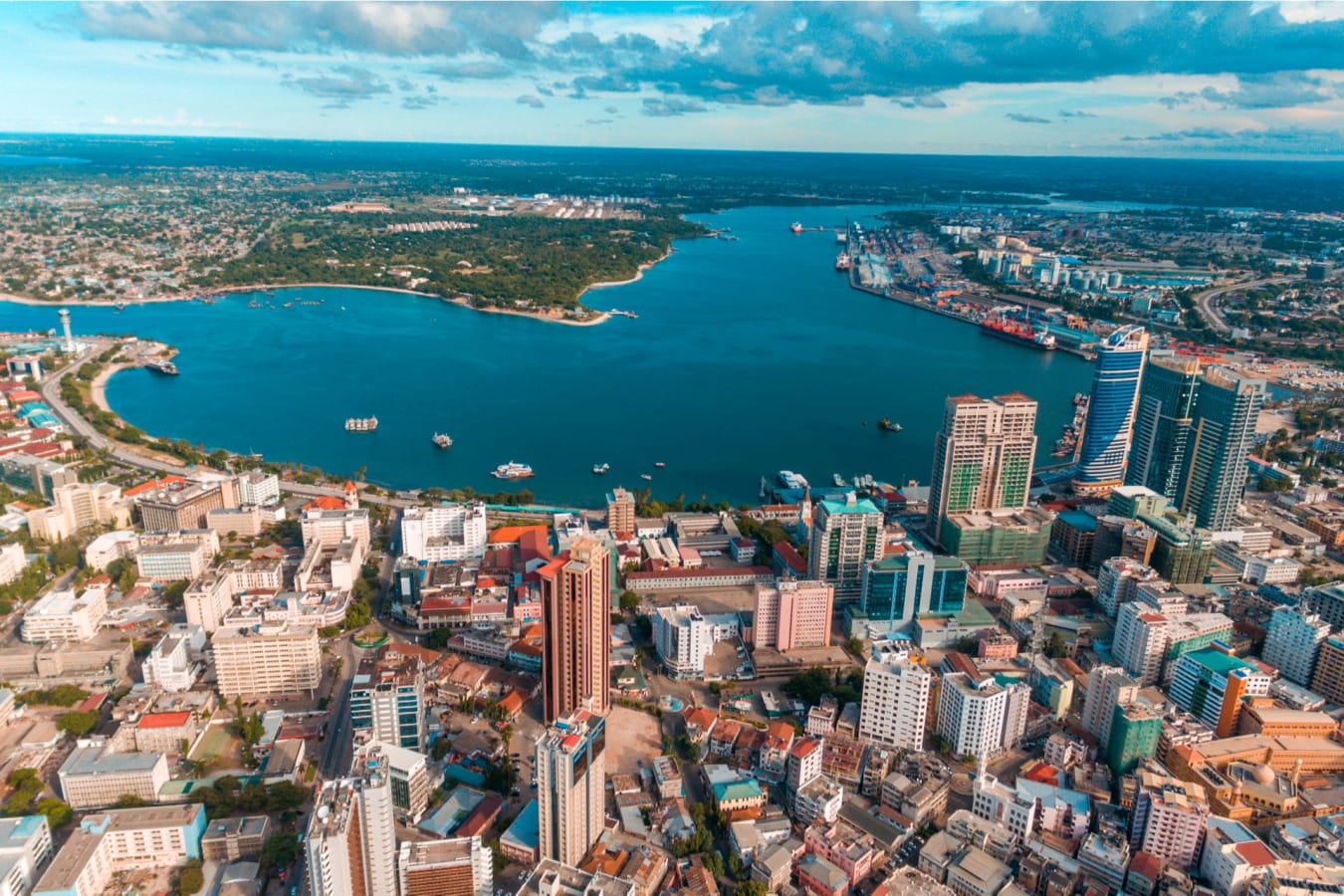
Drop down from the northern highlands toward the sea, and everything changes. The heat becomes heavy and sweet with the scent of cloves. This region includes the bustling metropolis of Dar es Salaam, the country's largest city, and the legendary Zanzibar Archipelago (consisting mainly of Unguja, Pemba, and Mafia islands). Life here moves at a different pace, pole pole (slowly, slowly), governed by the tides and the monsoon winds.
The Central Plateau and the Great Rift Valley
The heart of the country, where the capital Dodoma is located, is a vast, semi-arid plateau. This is the "true" interior, characterized by baobab trees and rocky outcrops known as kopjes. The Great Rift Valley carves a dramatic trench through this region, creating spectacular escarpments and soda lakes like Lake Manyara and Lake Natron, where millions of flamingos gather in a sea of pink.
The Southern Highlands and Wild Frontiers
If the North is for the icons, the South is for the adventurers. The Southern Highlands are lush, mountainous, and remote. This area is home to the Ruaha and Selous (Julius Nyerere) ecosystems. It is farther from the main tourist hubs, meaning the location feels more "undiscovered." The terrain is bushier, the rivers are wider, and the wildlife encounters are more intimate.
For travelers looking to go even further off the beaten path, western Tanzania offers some of the most remote and rewarding experiences in Africa. In Mahale Mountains National Park, you can trek through lush forest to observe wild chimpanzees, one of the most intimate wildlife encounters on the continent. This pairs exceptionally well with nearby Katavi National Park, a raw and untamed ecosystem known for dramatic predator-prey interactions and very few visitors. These regions can also be combined with Ruaha or Selous for a truly expansive southern circuit. However, due to their isolation and limited flight access, these itineraries are significantly more complex and expensive to execute.
Why the Location Matters for Your Itinerary
Knowing where Tanzania is on a map is one thing; knowing how that geography affects your travel time is another. Tanzania is deceptively large, and its terrain can make "short" distances on a map take a full day on the ground.
Ready to turn this map into a real journey? From the Serengeti to Zanzibar and beyond, our team at Global Basecamps can help you design a seamless itinerary that brings Tanzania’s diverse regions to life. Start Planning Your Tanzania Adventure!
The Proximity of Peak and Plain: Mount Kilimanjaro to the Serengeti
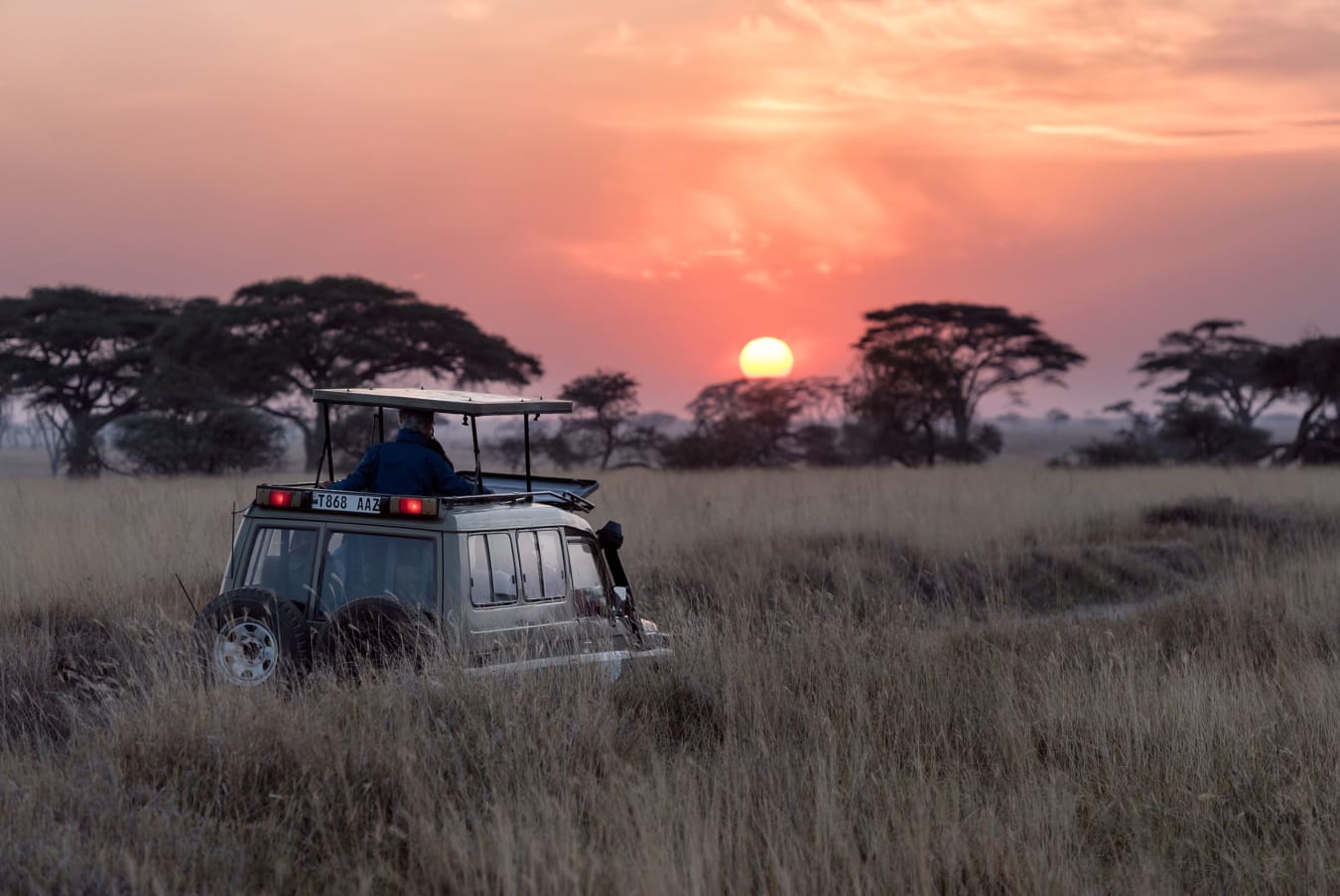
One of the great advantages of Tanzania’s northern geography is that you can move from the world’s tallest free-standing mountain (Kilimanjaro) to the world’s most famous wildlife plain (the Serengeti) in a matter of hours by bush plane, or a day by road. These two landmarks are the pillars of the Northern Circuit. Because they are relatively close together, most travelers combine a trek with a safari. However, don't underestimate the verticality, moving from the 5,895-meter summit of Kili to the 1,000-meter plains of the Serengeti is a massive environmental shift that requires careful packing for both freezing and tropical temperatures.
Island Hopping: How Close is Zanzibar to the Mainland?
A common question for travelers is whether they can "pop over" to the island of Zanzibar after a safari on mainland Tanzania. The answer is a resounding yes. Zanzibar (Unguja) is only about 25 to 50 miles off the coast of the mainland. If you are finishing a safari in the Serengeti, a small plane can have you on the beach in about 90 minutes. This geographic proximity is what makes Tanzania a perfect "surf and turf" destination, you can track lions in the morning and be sipping a coconut on a white-sand beach by sunset.
Planning for the Climate: Timing Your Arrival
Because Tanzania sits just below the equator, you can forget everything you know about winter and summer. Instead, you must plan your visit around the "Wet" and "Dry" seasons, which are determined by the country's location between the Indian Ocean and the massive inland lakes.
The Impact of the Equator on Seasonal Weather
The equator ensures that temperatures remain relatively consistent year-round, but the rainfall is rhythmic. There are generally two rainy seasons. The "Long Rains" (Masika) typically fall from March to May, bringing heavy tropical downpours. The "Short Rains" (Vuli) occur in November and December. If you want the classic "Lion King" golden grass experience, you’ll want to arrive during the long dry season from June to October. However, if you want lush, green landscapes and lower prices, the "Green Season" (the rainy months) offers its own magic.
Following the Great Migration: A Moving Target
Tanzania’s location is the stage for the greatest show on Earth: The Great Wildebeest Migration, featuring millions of wildebeest, zebras, and the national animal, the giraffe. This isn't a single event but a year-long journey. Because the Serengeti is so vast, the herds move in a giant clockwise circle based on where the rain is falling. In the early months of the year, they are in the south for calving season. By mid-year, they are moving through the Western Corridor, and by August and September, they are in the north, crossing the Mara River. To see the migration, you don't just go to Tanzania; you go to the specific part of Tanzania where the grass is currently greenest.
Want to experience the Great Migration at the right place and time? Our Private Wildlife Safari & Zanzibar Escape is a trip designed to follow the rhythm of the migration, combining expertly guided game drives in the Serengeti with time to unwind along Zanzibar’s coast.
Essential Cultural Etiquette for the First-Time Traveler
Tanzania’s location at the meeting point of Africa and the East has created a culture that is famously welcoming but deeply rooted in tradition.
Language and Connection: More Than Just Swahili
While English and Swahili are the official languages and widely spoken in the tourism industry from Arusha to the coast, Swahili (Kiswahili) is the heart of the nation. It is a "Bantu" language that evolved through centuries of contact with Arabic traders, a direct result of Tanzania’s coastal location. Learning a few phrases isn't just polite; it's a bridge. A simple "Jambo" (Hello) or "Asante sana" (Thank you very much) will open doors and hearts. Remember, Tanzanians value the "greeting" above the "transaction." Never rush into a question without first asking how someone is doing.
Respecting Local Traditions and Coastal Customs
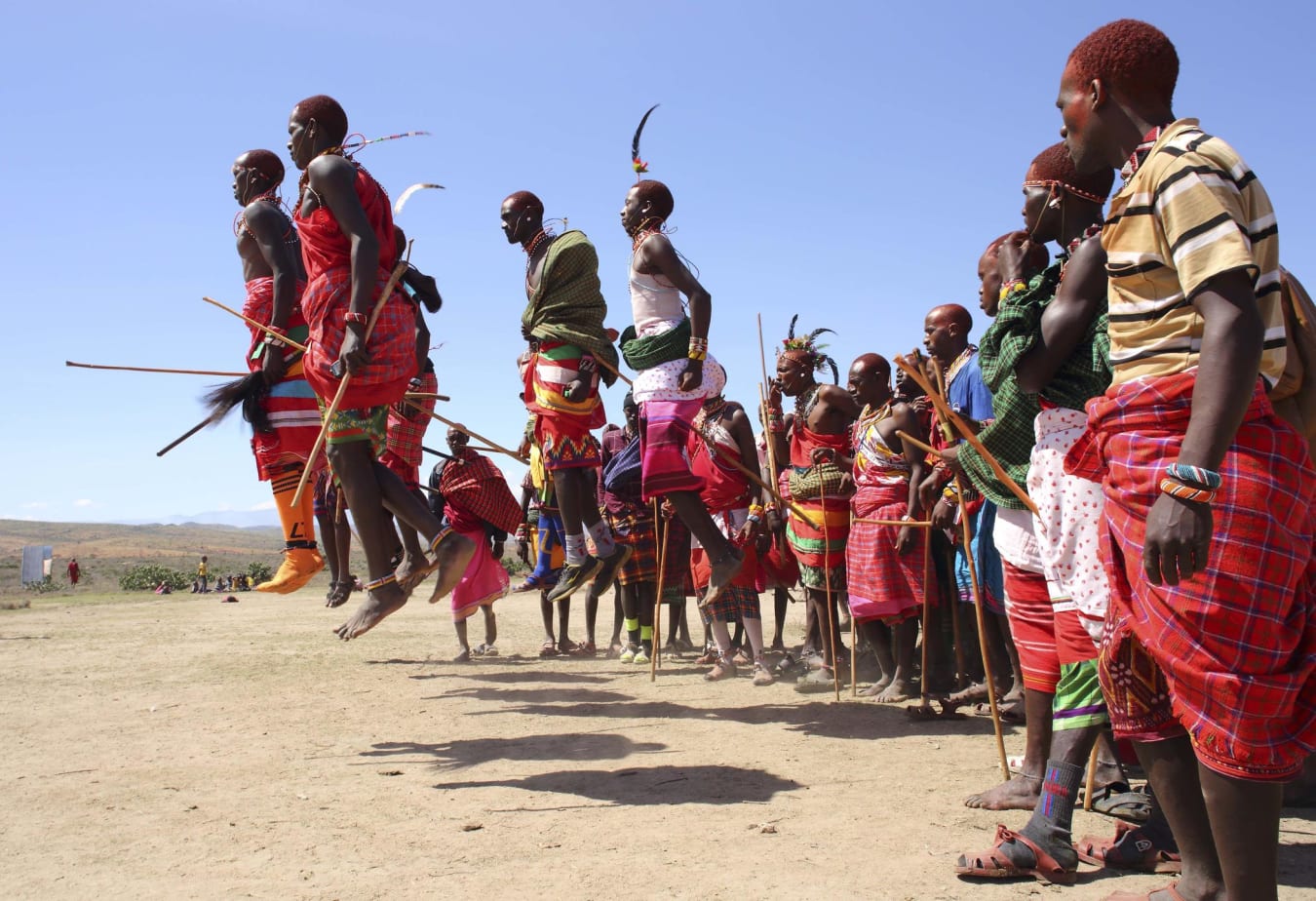
The geography of religion and tradition in Tanzania is distinct, with Christianity being widely practiced alongside Islam and indigenous beliefs. The coast and the islands, including Zanzibar, are predominantly Muslim, reflecting their Indian Ocean history. Here, modesty is key. When you leave the beach and head into Stone Town or local villages, cover your shoulders and knees. In the interior, among various ethnic groups like the Maasai, traditions are different but equally deep-seated. Always ask before taking photos of people. In Tanzania, the "soul" of the country is its people, and treating them with dignity is the most important part of your packing list.
Practical Preparations: Visas, Health, and Safety
Before you set foot on Tanzanian soil, there are a few logistical boxes to tick. Most international travelers require a visa. While you can often get these on arrival at major airports like JRO (Kilimanjaro) or DAR (Dar es Salaam), the "E-visa" system is much more efficient and prevents long waits after a 15-hour flight.
Regarding health, Tanzania’s tropical location means malaria is a factor, especially in the lowlands and coastal areas. Consult a travel clinic about prophylactics before you leave. Also, check the current requirements for Yellow Fever certificates; if you are flying in from a country where Yellow Fever is endemic (like neighboring Kenya), you may be asked to show proof of vaccination at the border.
Safety in Tanzania is generally high for tourists. It is one of the most stable democracies in Africa, showing consistent growth in its annual GDP. However, like anywhere, urban areas require "street smarts", keep your valuables out of sight and use registered taxis at night.
Your Tanzanian Journey Begins Here
Tanzania is more than a coordinate on a map. It is a place where the earth’s crust split open to create wonders, where the trade winds brought the world to Africa’s shores, and where the rhythm of the rain still dictates the movement of millions of animals.
Now that you know where it is, you understand that a trip to Tanzania is a journey of transitions. You will move from the humid salt air of the coast to the crisp, thin air of the highlands. You will move from the fast-paced Swahili greeting of the city to the profound silence of the bush. Tanzania is waiting for you, right where the sun hits the center of the world. All you have to do is take the first step.
Ready to Travel? Turning a journey like this into reality takes thoughtful planning, from choosing the right regions and timing to designing an experience that fits your travel style.
At Global Basecamps, our team is here to help you create a fully custom Tanzania itinerary, tailored to your interests, pace, and vision for the trip.
Start Planning Your Tanzania Journey!
Request More Information