
From Cherry Blossoms to Bullet Trains
Crafting Your Perfect Japan Itinerary
So, you've decided to embark on an adventure to Japan; your Japan travel journey begins now. Excellent choice! You’re not just planning a trip; you’re preparing for an immersion into a world where ancient traditions dance gracefully with futuristic innovation. Forget those glossy travel brochures for a moment. This isn't just about seeing sights or mere sightseeing; it's about experiencing a culture that will challenge, delight, and ultimately, change you.
Why Japan? Beyond the Postcards
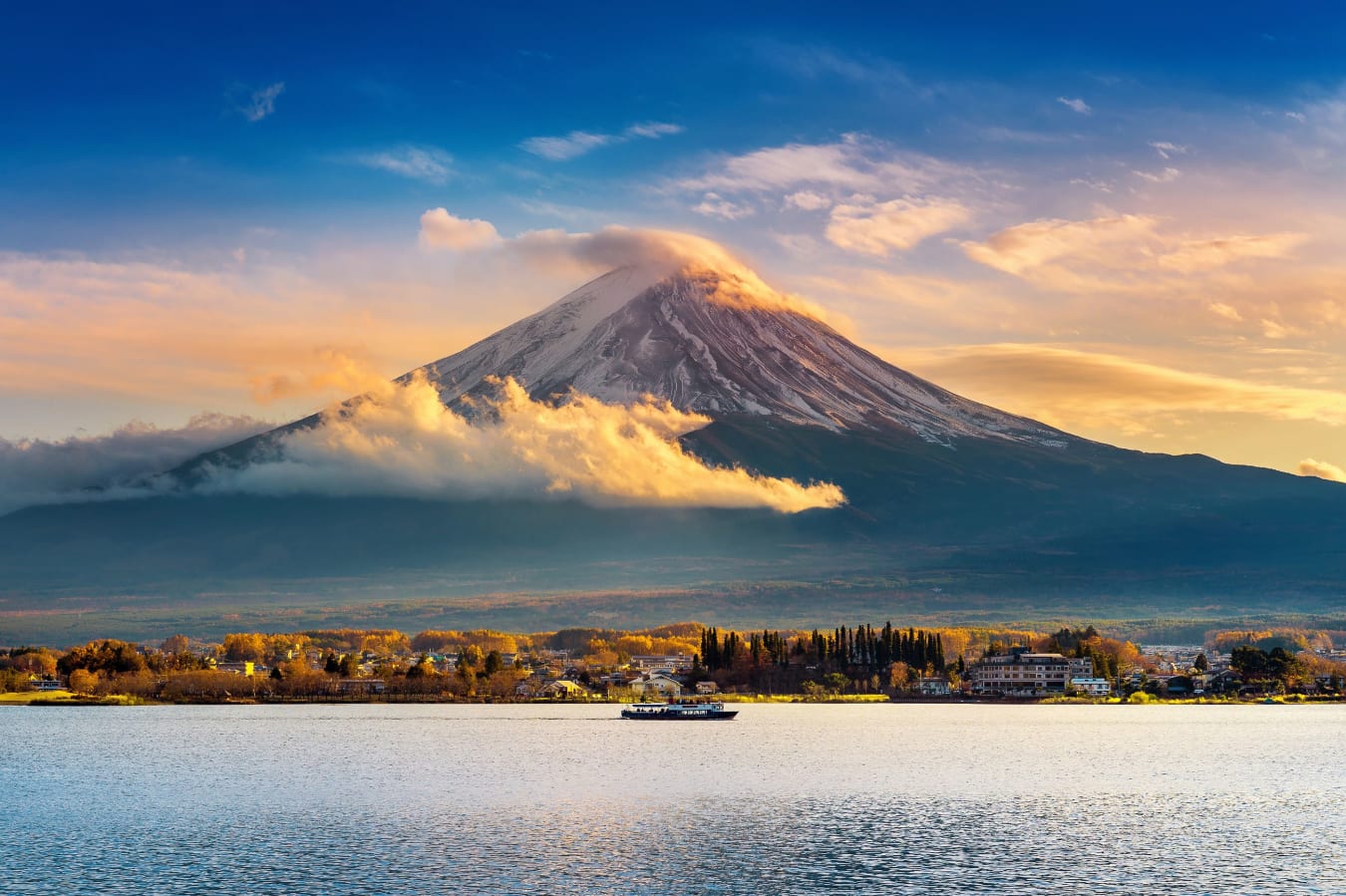
Japan is more than just a collection of iconic images - Mt. Fuji, serene temples, neon-lit cityscapes. It's an entire universe waiting to be explored, a place where every corner holds a surprise.
Ready to start planning? Explore Global Basecamps’ Japan tours to see what your journey could look like!
What Makes Japan So Unique?
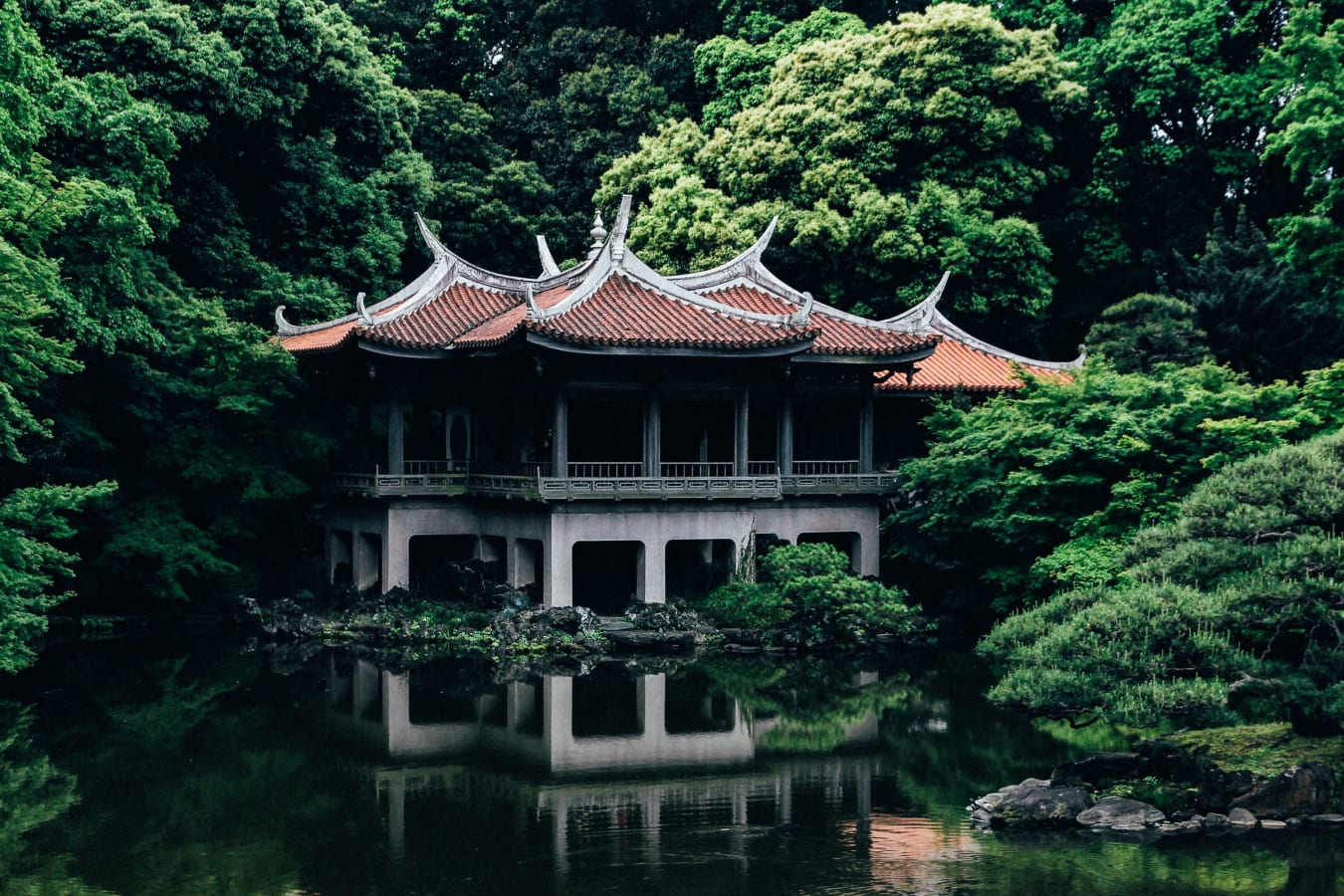
Imagine this: one moment you're navigating the crossroads of Shibuya in Tokyo, a symphony of lights and sounds. The next, you're strolling through a meticulously manicured Zen garden in Kyoto, the only sound being the rustle of leaves. This incredible juxtaposition is Japan's magic. It's the impeccable service at every turn, the exquisite attention to detail in everything from a bento box lunch to a high-speed train. It's a country where efficiency meets artistry, where ancient rituals are preserved with reverence, and where technology pushes boundaries. You’ll find a profound respect for nature, deeply ingrained hospitality (omotenashi), and a culinary scene that will redefine your understanding of food. It’s a sensory feast, a historical journey, and a glimpse into the future, all rolled into one extraordinary destination.
Best Time to Visit: Seasons and Festivals
Choosing the right time to visit Japan can significantly shape your experience. Each season paints the country in a different, breathtaking hue.
- Spring (March to May): This is, without a doubt, the most famous time, thanks to the iconic cherry blossoms (sakura). Imagine streets, parks, and castle grounds awash in delicate pink and white petals. It’s undeniably beautiful, but also incredibly popular, meaning higher prices and larger crowds. Alongside sakura viewing (hanami), you might catch festivals like the Takayama Spring Festival, known for its elaborate floats.
- Summer (June to August): Summer can be hot and humid, especially in the major cities, but it's also a vibrant time filled with spectacular fireworks displays (hanabi) and lively festivals. The Gion Matsuri in Kyoto and the Tenjin Matsuri in Osaka are two of Japan's most impressive traditional festivals, offering a profound glimpse into local culture. If you love hiking, summer is also prime time to climb Mount Fuji.
- Autumn (September to November): My personal favorite. As the heat dissipates, the landscapes transform into a stunning palette of reds, oranges, and golds. Autumn foliage (koyo) rivals the cherry blossoms in its beauty, often with fewer crowds. The weather is crisp and pleasant, perfect for exploring cities and nature. Festivals like the Nagasaki Kunchi Festival showcase unique regional traditions.
- Winter (December to February): While some regions experience heavy snowfall, winter in Japan offers a different kind of magic. Imagine snow monkeys bathing in hot springs, illuminated winter festivals like the Sapporo Snow Festival (featuring incredible ice sculptures), and the serene beauty of temples dusted with fresh snow. It's also prime season for winter sports in regions like Hokkaido.
The "best" time depends entirely on what you want to see and experience. If sakura is your dream, prepare for crowds. If serene beauty and fewer tourists appeal, consider autumn or even early winter.
The Foundations: Essential Planning Steps
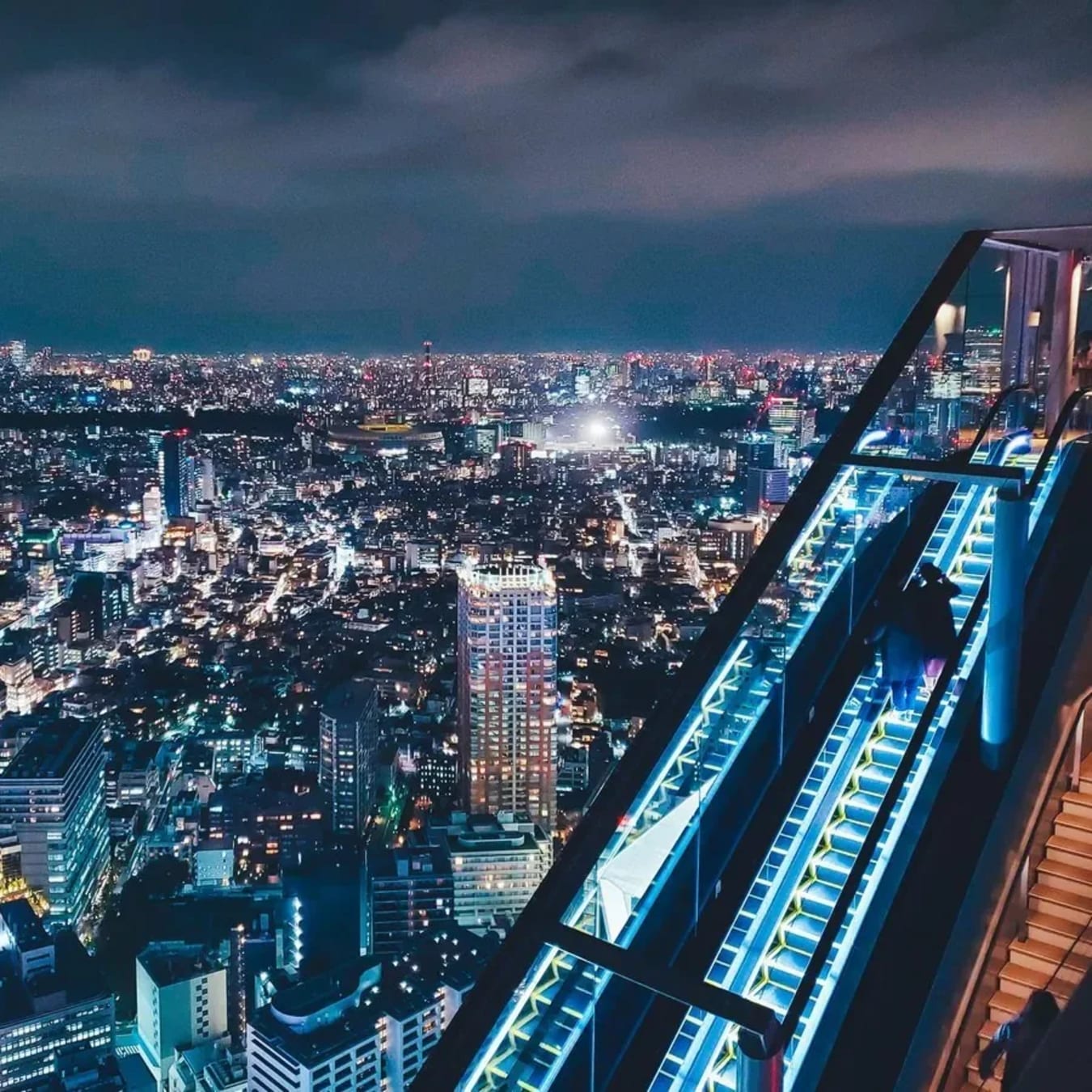
Before you can lose yourself in the magic of Japan, there are some practicalities to sort out. Think of these as the sturdy pillars upon which your unforgettable adventure will rest.
Visa and Entry Requirements (if applicable)
For many nationalities, including citizens of the US, Canada, UK, Australia, and most European countries, a visa is not required for short tourist stays (typically up to 90 days). You'll simply receive a temporary visitor stamp upon arrival. However, requirements can change, so always, always check the official website of the Japanese Ministry of Foreign Affairs or your country's embassy well in advance of your trip. Don't leave this to chance – an unexpected visa requirement could derail your entire journey!
Flights and Getting There
Booking your flights is often one of the first major commitments. Major international airports include Narita (NRT) and Haneda (HND) in Tokyo, and Kansai International (KIX) near Osaka and Kyoto.
- Narita (NRT) is further from central Tokyo but has excellent rail connections (Narita Express, Keisei Skyliner).
- Haneda (HND) is closer to the city center and often preferred for convenience, especially if flying within Asia.
- Kansai (KIX) is your gateway if you plan to start your journey in the Kyoto/Osaka region.
I highly recommend booking well in advance, especially if you're traveling during peak seasons like cherry blossom or autumn. Use flight comparison sites, but also check airline websites directly. Consider flying into one airport (e.g., Narita) and out of another (e.g., Kansai) if your itinerary supports it, to save backtracking time.
Navigating Japan: The Japan Rail Pass and Local Transport
This is where Japan truly shines. Its public transport system is a marvel of efficiency and punctuality.
- The Japan Rail Pass (JR Pass): This is the holy grail for many first-time visitors. It offers unlimited travel on most JR trains, including the shinkansen (bullet trains), for a set period (7, 14, or 21 consecutive days).
- Is it worth it? Generally, yes, if you plan to travel between cities like Tokyo, Kyoto, Osaka, Hiroshima, and beyond. A round-trip shinkansen ticket between Tokyo and Kyoto alone costs a significant chunk of the 7-day pass price.
- Purchase: You must purchase an exchange order for the JR Pass before arriving in Japan. You'll then exchange it for the actual pass at a major JR station. Recently, it's become possible to buy it in Japan at a higher price, but pre-purchase is still recommended for value.
- Activation: Activate it when you're ready to start your continuous travel period.
- Limitations: Note that some of the fastest shinkansen (Nozomi and Mizuho) are not covered by the standard JR Pass, but the Hikari and Sakura services are excellent alternatives and only marginally slower.
- Local Transport: Within cities, you'll primarily use subway and local train lines. Invest in a rechargeable IC card like Suica or Pasmo (Tokyo) or ICOCA (Kansai). These are universally accepted across major cities, allowing you to tap and go without fumbling for cash or buying individual tickets. You can purchase them at train stations and convenience stores.
- Buses and Taxis: Buses are useful for reaching specific attractions, especially in Kyoto. Taxis are clean, comfortable, and ubiquitous but can be expensive, especially in cities.
The trains run with incredible precision, arrive a minute late, and you might miss your train. Embrace the efficiency, and you’ll glide through the country.
Want help planning a worry-free trip with all your transportation handled? Explore Global Basecamps’ fully planned Japan trips - designed to take the hassle out of getting around!

Accommodation: From Ryokans to Modern Hotels
Japan offers a diverse range of lodging options to suit every budget and experience preference.
- Modern Hotels: You'll find international chains and excellent local brands (e.g., APA, Dormy Inn, Toyoko Inn) in all major cities. They are usually clean, efficient, and well-located, though rooms can be smaller than in Western hotels.
- Ryokans: For a truly traditional Japanese experience, book a ryokan, perhaps even trying on a kimono. These are traditional inns, often featuring tatami mat rooms, futon beds, communal onsens (hot springs), and exquisite multi-course dinners (kaiseki) and breakfasts. It’s an immersive cultural experience, often found in scenic areas like Hakone or Kyoto. Be prepared for a higher price point, but it's worth it for the authenticity.
- Minshuku: A simpler, more family-run version of a ryokan, often more affordable.
Book your accommodation well in advance, especially if you're traveling during peak season or want to stay in a popular ryokan.
Connectivity: Staying Online with SIM Cards or Pocket Wi-Fi
Staying connected is crucial for navigation, translation, and sharing your adventures.
- Pocket Wi-Fi: My top recommendation for groups or heavy data users. You rent a small, portable device that creates a Wi-Fi hotspot. You can pick it up at the airport or have it delivered to your hotel. It’s reliable and allows multiple devices to connect.
- Prepaid SIM Cards: Ideal for solo travelers or those who prefer having data on their phone directly. You can purchase these at the airport or electronics stores. Ensure your phone is unlocked before you arrive.
- eSIMs: For newer phones, an eSIM offers incredible convenience. You can purchase and activate it digitally before you even land. Look for providers like Airalo or Holafly.
- Free Wi-Fi: Available in some cafes, hotels, and tourist spots, but generally not as ubiquitous or reliable as in some Western countries. Don’t rely solely on it.
Having reliable internet access will be your lifeline for using Google Maps, translating menus, and looking up train schedules.
Crafting Your Itinerary: Core Regions and Experiences
Now for the fun part: deciding where to go and discovering the best places! Most first-time visitors gravitate towards the "Golden Triangle," and for good reason, it offers a fantastic introduction.

Explore Japan Tours
Tokyo: The Bustling Heart
Tokyo is an electrifying metropolis that seamlessly blends tradition with hyper-modernity. It’s overwhelming, exhilarating, and utterly unforgettable. Give yourself at least 3-5 full days here.
- Shibuya: Iconic Shibuya Crossing, trendy shops, nightlife. A must-see for the sheer spectacle.
- Shinjuku: Home to the Tokyo Metropolitan Government Building for free panoramic city views, Shinjuku Gyoen National Garden (a serene oasis), and the vibrant nightlife of Golden Gai and Kabukicho.
- Asakusa: Step back in time at Senso-ji Temple, Tokyo's oldest temple, and explore Nakamise-dori market for traditional snacks and souvenirs.
- Ginza: High-end shopping, department stores, and exquisite dining.
- Imperial Palace East Garden: A tranquil escape, the former site of Edo Castle.
- Day Trip to Hakone or Nikko: Easily accessible from Tokyo for a taste of nature, hot springs, or UNESCO World Heritage sites.
Tokyo is a city of distinct neighborhoods, each with its own personality. Don't try to see everything; instead, pick a few areas each day and really dive in.
Kyoto: The Soul of Traditional Japan
Just a few hours by bullet train from Tokyo, Kyoto feels like stepping into another era. It was the imperial capital for over a thousand years, and its legacy of temples, gardens, geisha districts, and traditional wooden houses is beautifully preserved. Allocate 3-4 full days.
- Arashiyama Bamboo Grove: A magical forest of towering bamboo. Combine with Tenryu-ji Temple and the Togetsukyo Bridge.
- Kinkaku-ji (Golden Pavilion): The stunning Zen temple covered in gold leaf, set against a serene pond.
- Gion District: Kyoto's most famous geisha district. Wander the traditional streets in the evening for a chance to spot a geisha or maiko. Be respectful – no flash photography or harassment.
- Nishiki Market: "Kyoto's Kitchen." A lively covered market brimming with local produce, street food, and culinary delights.
Kyoto invites you to slow down, appreciate beauty, and immerse yourself in centuries of history.
Osaka: Foodie Paradise and Modern Charm
Often overshadowed by Tokyo and Kyoto, Osaka is a vibrant city known for its incredible food scene, friendly locals, and lively atmosphere. It makes for an excellent base or a 1-2 day visit.
- Dotonbori: The energetic heart of Osaka's entertainment district. Famous for its neon lights, giant crab signs, and street food. Don’t miss trying takoyaki (octopus balls) and okonomiyaki (savory pancake).
- Osaka Castle: A magnificent historical landmark, offering a glimpse into Japan's feudal past and panoramic city views from its top floor.
- Umeda District: Home to the Umeda Sky Building, an architectural marvel with an open-air observatory offering spectacular views, especially at sunset.
- Namba: Another major entertainment and shopping district.
Osaka is loud, proud, and incredibly delicious. Come hungry!
Beyond the Golden Triangle: Exploring Other Regions
While the "Golden Triangle" is fantastic, Japan has so much more to offer. If you have more time or are on a second trip, consider these regions:
- Hiroshima and Miyajima: A poignant visit to the Peace Memorial Park and Museum in Hiroshima, followed by the breathtaking "floating" torii gate of Itsukushima Shrine on Miyajima Island. A powerful and moving experience.
- Nara: Easily accessible from Kyoto or Osaka, Nara is famous for its friendly, free-roaming deer and magnificent temples like Todai-ji, home to a massive bronze Buddha.
- Hokkaido: In the north, Hokkaido offers stunning natural beauty, especially for skiing in winter (Niseko, Rusutsu) and hiking in summer (Daisetsuzan National Park). Sapporo is its capital, known for its beer.
- Okinawa: A tropical paradise in the south, offering beautiful beaches, unique Ryukyuan culture, and excellent diving.
- The Japanese Alps (Takayama, Shirakawa-go): Experience traditional rural Japan with well-preserved towns, gassho-zukuri farmhouses (UNESCO World Heritage), and stunning mountain scenery.
- Kanazawa: Known for Kenrokuen Garden (one of Japan's "three great gardens"), its samurai district, and geisha districts. Often called "Little Kyoto" but with its own distinct charm.
Branching out allows you to discover different facets of Japan, from its serene countryside to its vibrant regional cultures.

Designing Your Journey: Itinerary Archetypes
Let's put it all together. Here are a few itinerary archetypes to spark your imagination, depending on your travel style and interests.
The First-Timer's Classic
If it’s your first time in Japan, the ideal itinerary blends iconic cities with cultural depth and a touch of nature, giving you a well-rounded experience of the highlights of Japan without feeling rushed.
- Days 1-3: Tokyo Arrive in Tokyo and explore highlights like Shibuya, Shinjuku, and Asakusa, experiencing the energy and contrast of modern and traditional Japan.
- Days 4–5: Hakone & Mount Fuji Head to Hakone for a change of pace, with scenic views, a chance to see Mount Fuji, and time to relax in a traditional onsen or ryokan.
- Days 6–8: Kyoto Travel by bullet train to Kyoto and dive into Japan’s cultural heart, temples, bamboo groves, and historic districts like Gion.
- Day 9: Nara (Day Trip) Visit Nara to see its famous deer and ancient temples, adding a quieter, historic contrast to your journey.
- Days 10–11: Osaka Experience Osaka’s vibrant food scene and lively atmosphere, from Dotonbori to Osaka Castle.
- Days 12–13: Hiroshima & Miyajima Travel west to Hiroshima for its historical significance, then visit Miyajima Island for one of Japan’s most iconic views.
- Day 14: Departure Return to Tokyo or depart from Kansai, completing a journey that captures Japan’s cities, culture, and natural beauty.
Ready to make this trip a reality? Explore Global Basecamps’ Classic Cities, Country & Culture tour and start planning!
The Cultural Deep Dive
For travelers who want to go deeper, this itinerary blends iconic destinations with lesser-visited regions for a more immersive look at Japan’s culture and traditions.
- Days 1–4: Tokyo Explore the city’s major sights while diving into cultural experiences like museums, food, or local neighborhoods.
- Days 5–8: Kyoto & Nara Discover Japan’s cultural heart through temples, historic districts, and experiences like tea ceremonies, with a visit to Nara for added depth.
- Days 9–11: Kanazawa Step into Japan’s past with preserved samurai districts, traditional crafts, and one of the country’s most beautiful gardens.
- Days 12–14: Japanese Alps Experience rural Japan in Takayama and Shirakawa-go, with traditional architecture and a slower pace of life.
- Days 15–17: Hiroshima & Miyajima Explore Hiroshima’s history and the scenic beauty of Miyajima Island.
- Days 18–21: Shikoku Venture off the typical route to Shikoku for a glimpse into Japan’s spiritual traditions along parts of the 88-temple pilgrimage.
- Departure Return to a major city for departure, completing a journey that goes far beyond the usual itinerary.
Take your journey beyond the highlights - explore Global Basecamps’ Shikoku & Honshu Cultural Discovery tour!
The Luxury Explorer
For travelers seeking a more refined journey, this itinerary blends iconic destinations with exclusive experiences, exceptional dining, and seamless comfort throughout.
- Days 1–4: Tokyo Begin in Tokyo with a luxury stay, exploring the city through curated experiences, private guides, Michelin-starred dining, and personalized shopping in districts like Ginza.
- Days 5–7: Hakone or Kyoto (Luxury Ryokan) Escape to Hakone for views of Mount Fuji and a stay in a high-end ryokan, complete with private onsens and kaiseki meals. Alternatively, continue to Kyoto for a luxury ryokan experience with elevated service and cultural immersion.
- Days 8–10: Kyoto Dive deeper into Japan’s cultural capital with private temple visits, garden tours, and exclusive experiences like geisha performances or artisan workshops, all at a relaxed, unhurried pace.
- Days 11–12: Osaka End your journey in Osaka, where luxury meets culinary excellence, think world-class dining, hidden cocktail bars, and bespoke food experiences.
- Days 13–14: Departure Depart from Kansai or return to Tokyo, wrapping up a journey defined by comfort, access, and unforgettable detail.
For a more refined way to experience Japan, discover Global Basecamps’ Luxury Explorer tour - where every detail is thoughtfully handled.

Practicalities and Local Customs: Blending In Gracefully
Part of the magic of travel is adapting to and respecting local customs. Japan has a strong culture of etiquette, and understanding a few key points will enhance your experience significantly.
Etiquette Essentials: Bows, Chopsticks, and Onsens
- Bowing: A common form of greeting and showing respect. You don't need to master complex bowing rituals, but a slight nod or shallow bow is appreciated when thanking someone or entering a shop.
- Shoes Off: Always remove your shoes when entering someone's home, traditional inns (ryokans), some restaurants, temples, and even some shops. Look for a genkan (sunken entryway) or other shoes lining up. Slippers are often provided.
- Chopstick Etiquette:
- Never stick your chopsticks upright in a bowl of rice – it resembles offerings at funerals.
- Don't pass food from chopstick to chopstick.
- Avoid pointing with your chopsticks.
- When not eating, place them on the provided chopstick rest or horizontally across your bowl.
- Onsen (Hot Springs):
- Always wash thoroughly before entering the communal bath. There will be showers and stools provided.
- No swimsuits in traditional, communal onsens. You go naked.
- If you have tattoos, research onsen policies beforehand. Many traditional onsens prohibit tattooed guests, though some tattoo-friendly options exist (especially private onsens or those in tourist areas).
- Relax and enjoy the silence.
- Noise: Japanese society generally values quiet. Keep your voice down on public transport, avoid talking on your phone, and be mindful of your surroundings.
- Eating and Drinking: It's generally frowned upon to eat or drink while walking on the street, especially in crowded areas. Find a bench or a cafe.
- Tipping: Tipping is not customary in Japan and can even be considered rude or confusing. The excellent service is simply part of the culture.
- Rubbish: You'll notice very few public rubbish bins. Carry a small bag for your trash until you find one (often near convenience stores) or take it back to your accommodation.
These small gestures of respect go a long way in showing appreciation for Japanese culture.

Language Basics: Key Phrases to Know
While many people in tourist areas speak some English, especially younger generations, knowing a few basic Japanese phrases will make your trip smoother and more enjoyable.
- Hello: Konnichiwa (Kohn-nee-chee-wah)
- Goodbye: Sayonara (Sah-yoh-nah-rah) – generally used for longer goodbyes. For casual, short goodbyes, 'Jaa ne' or 'Mata ne' are common.
- Thank you: Arigatou gozaimasu (Ah-ree-gah-toh goh-zai-mas)
- Excuse me/Sorry: Sumimasen (Soo-mee-mah-sen) – incredibly versatile for getting attention, apologizing, or asking to pass.
- Please: Onegaishimasu (Oh-neh-gai-shee-mas)
- Yes: Hai (High)
- No: Iie (Ee-yeh)
- Do you speak English?: Eigo ga hanasemasu ka? (Ei-goh gah hah-nah-seh-mas kah?)
- Where is...?: ...wa doko desu ka? (...wah doh-koh dess kah?)
- How much is this?: Kore wa ikura desu ka? (Koh-reh wah ee-koo-rah dess kah?)
- Delicious!: Oishii desu! (Oi-shee dess!)
A simple attempt at Japanese is always appreciated, even if your pronunciation isn't perfect.
Your Japanese Adventure Awaits!
Planning a trip to Japan is an exciting journey in itself. From the moment you decide to go, through the meticulous preparation, and finally to the vibrant experiences on the ground, you're embarking on something truly special. This Japan guide has laid out the groundwork, from the nuts and bolts of logistics to the nuances of cultural immersion.
Remember, Japan rewards those who approach it with an open mind and a spirit of adventure. Be prepared to be amazed by the efficiency of the trains, delighted by the politeness of the people, and utterly captivated by the beauty that unfolds at every turn. Whether you’re chasing cherry blossoms, savoring street food, or finding serenity in a Zen garden, your perfect Japan itinerary is within reach. Now go forth, plan wisely, and get ready for an unforgettable journey to the Land of the Rising Sun!
Ready to make it happen? Discover Global Basecamps’ Japan trips and start planning your journey.
Reach Out Today