

Kruger National Park:
A Complete Guide for First-Time Visitors
Introduction to Kruger National Park
A Kruger National Park safari represents one of the most iconic wildlife experiences in Africa. Spanning nearly 2 million hectares across northeastern South Africa and the provinces of Mpumalanga and Limpopo, it is one of the continent’s largest and most celebrated conservation areas.
For first-time visitors, the sheer scale of Kruger can feel overwhelming - but that scale is also what makes the region so extraordinary. Vast savannahs, river systems, woodlands, and open plains support an incredible diversity of wildlife, creating one of the richest safari ecosystems anywhere in Africa.
What many travelers don't realize, however, is that some of the most immersive safari experiences associated with Kruger actually take place beyond the public park itself. The private reserves and concessions that form part of the Greater Kruger ecosystem share unfenced boundaries with the national park, allowing wildlife to roam freely while offering a more exclusive and intimate safari experience.
For many travelers, a South African safari becomes far more emotional and immersive than expected. The stillness of the landscape, the unpredictability of wildlife encounters, and the slower pace of life in the bushveld create a type of travel experience that stays with people long after they return home.
For travelers looking to experience this side of South Africa in a more intentional and immersive way, our Wild & Remote South African Safari journey combines exceptional wildlife viewing with carefully selected lodges and remote wilderness experiences designed to move beyond the traditional tourist safari. Explore the Wild & Remote South African Safari
Why Kruger is One of Africa’s Premier Safari Destinations
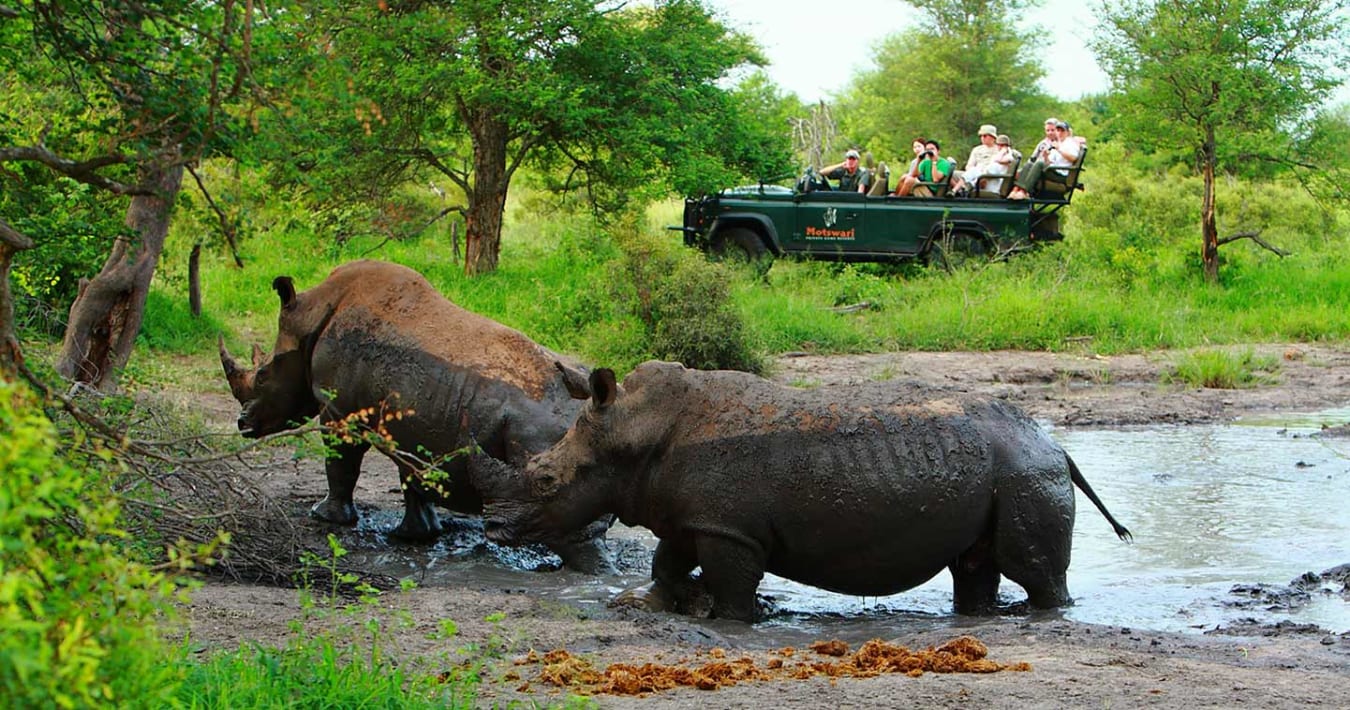
Kruger stands out because it offers an incredibly rare balance: extraordinary wildlife density, remarkable biodiversity, and one of the most successful conservation stories on the African continent.
The Greater Kruger ecosystem is home to:
- The Big Five (lion, leopard, elephant, rhino, and buffalo)
- African wild dogs and cheetahs
- Hundreds of bird species
- Diverse ecosystems ranging from open savannah to riverine forest
- Some of the finest private lodges and safari camps in Southern Africa
- Exceptional year-round wildlife and game viewing opportunities
Unlike some safari destinations like Kenya that require extensive bush flights or highly complex logistics, South Africa allows travelers to seamlessly combine safari with destinations such as:
- Cape Town
- The Cape Winelands
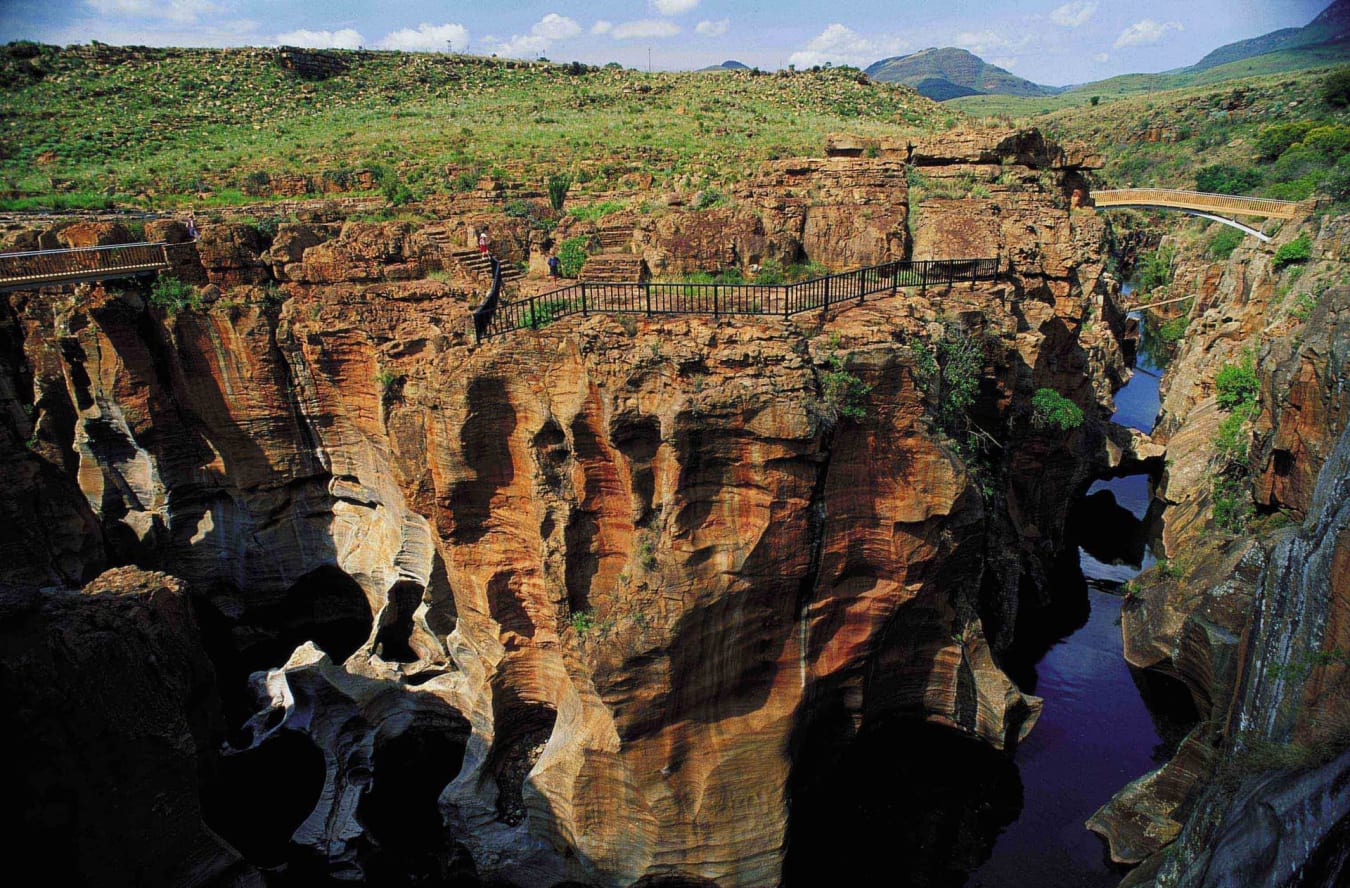
- The Garden Route and Blyde River Canyon
- Victoria Falls
- Zimbabwe
- Mozambique
- Cultural and historical experiences, including the country's rich cultural heritage, throughout the country
This flexibility makes South Africa especially appealing for travelers seeking a getaway that combines the scenic Panorama Route with wildlife, culture, food, wine, adventure, and relaxation in a single itinerary.
Setting Expectations for Your First Safari
One of the most important things first-time safari travelers should understand is that safari is not a zoo experience. Wildlife sightings are never guaranteed - and that unpredictability is exactly what makes safari so rewarding.
Some days bring nonstop activity:
- Lions hunting during the cool early morning hours
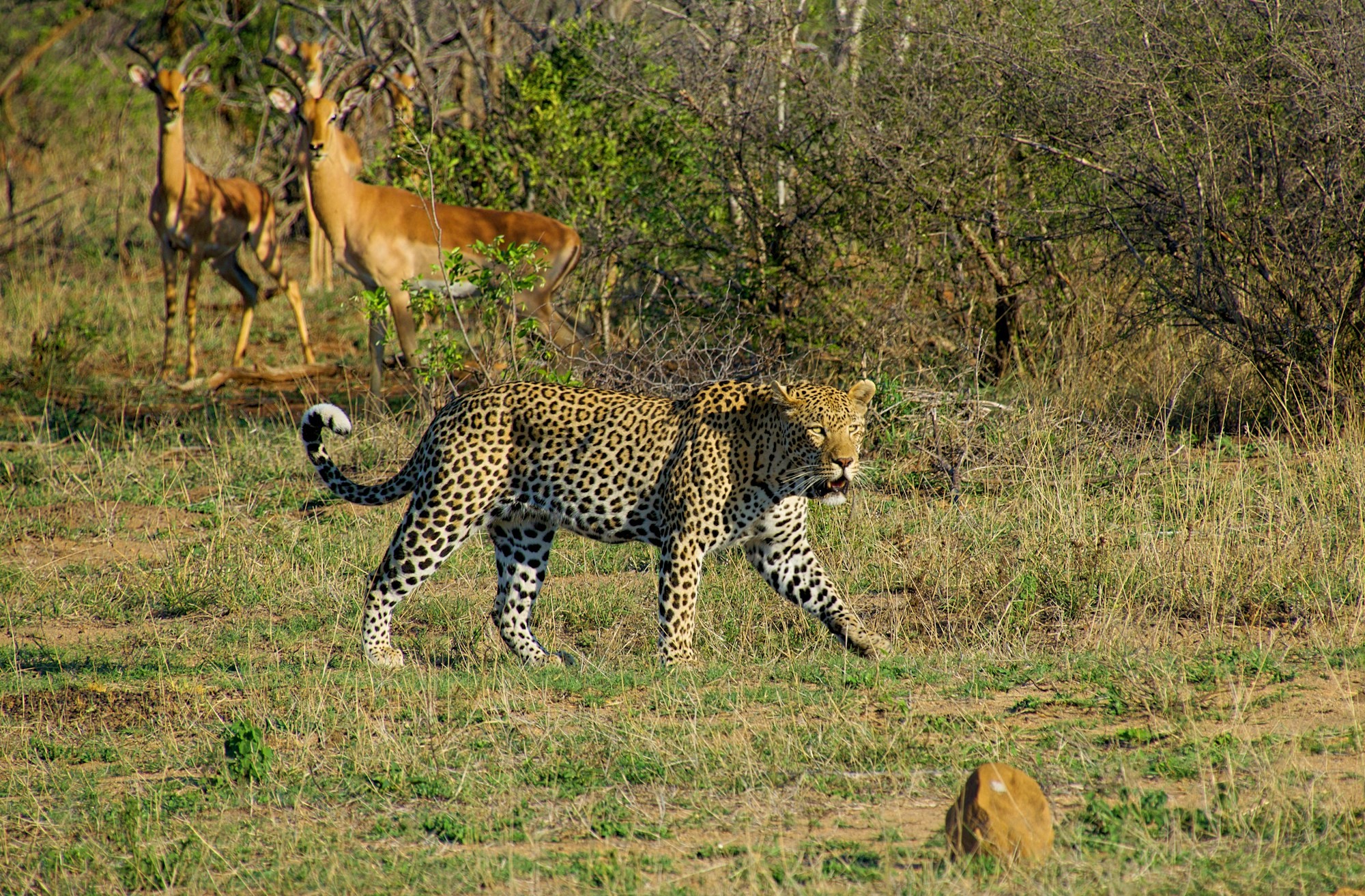
- Leopards crossing the road unexpectedly
- Massive elephant herds and pods of hippos gathering near rivers
- Giraffes silhouetted against dramatic sunsets
Other days feel slower and quieter.
Yet those quieter moments often become the most memorable.
Safari teaches travelers to notice details they would normally overlook:
- Fresh tracks crossing a sandy road
- The warning calls of birds and antelope
- The changing sounds of the bush throughout the day
- Tiny ecosystems operating beneath the trees
- The silence that settles over the landscape after sunset
The best safari experiences happen when travelers stop focusing solely on checking animals off a list during a full day of exploration and begin immersing themselves in the rhythms of the wilderness.
This is especially true in more remote safari regions where smaller lodges, fewer vehicles, and quieter landscapes create a deeper connection to the environment.
Our Wild & Remote South African Safari was designed around this philosophy - prioritizing immersive guiding, carefully selected accommodations, and a slower-paced safari experience that allows travelers to truly connect with South Africa’s wilderness. Discover the Wild & Remote South African Safari
Explore South African SafarisUnderstanding Kruger’s Geography
Kruger stretches roughly 350 kilometers from south to north and contains several distinct ecological regions. Understanding these regions helps travelers appreciate the diversity of landscapes and wildlife found throughout the ecosystem.
The Southern Region: High Wildlife Density
The southern section of the park, including areas near Crocodile Bridge and Malelane, is often the most popular for first-time visitors because it offers:
- Excellent Big Five sightings
- Higher wildlife density
- Easier access from Johannesburg or the regional hubs of Hoedspruit and Hazyview
- Productive river systems and diverse habitats
Areas around Skukuza and Lower Sabie are particularly famous for:
- Lion sightings
- Leopard and hyena activity
- Elephant herds
- Rich birdlife
Because of its popularity, however, the southern region can also experience heavier vehicle traffic during peak travel periods.
This is one reason many travelers choose a private game reserve, such as those in Balule, bordering the southern reaches of Kruger, where wildlife moves freely but guest numbers are carefully managed.
The Central Region: Open Plains & Predator Territory
As you move north from Orpen toward Satara and Olifants, the landscape transitions into open grasslands and savannah.
This region attracts:
- Zebra
- Wildebeest
- Buffalo herds
- Large predator populations
The open landscapes make wildlife easier to spot at a distance and provide the classic safari scenery many travelers envision when dreaming of Africa.
The Northern Region: Remote Wilderness & Solitude
Northern Kruger feels entirely different. The landscape becomes:
- More remote
- Less visited
- More heavily wooded
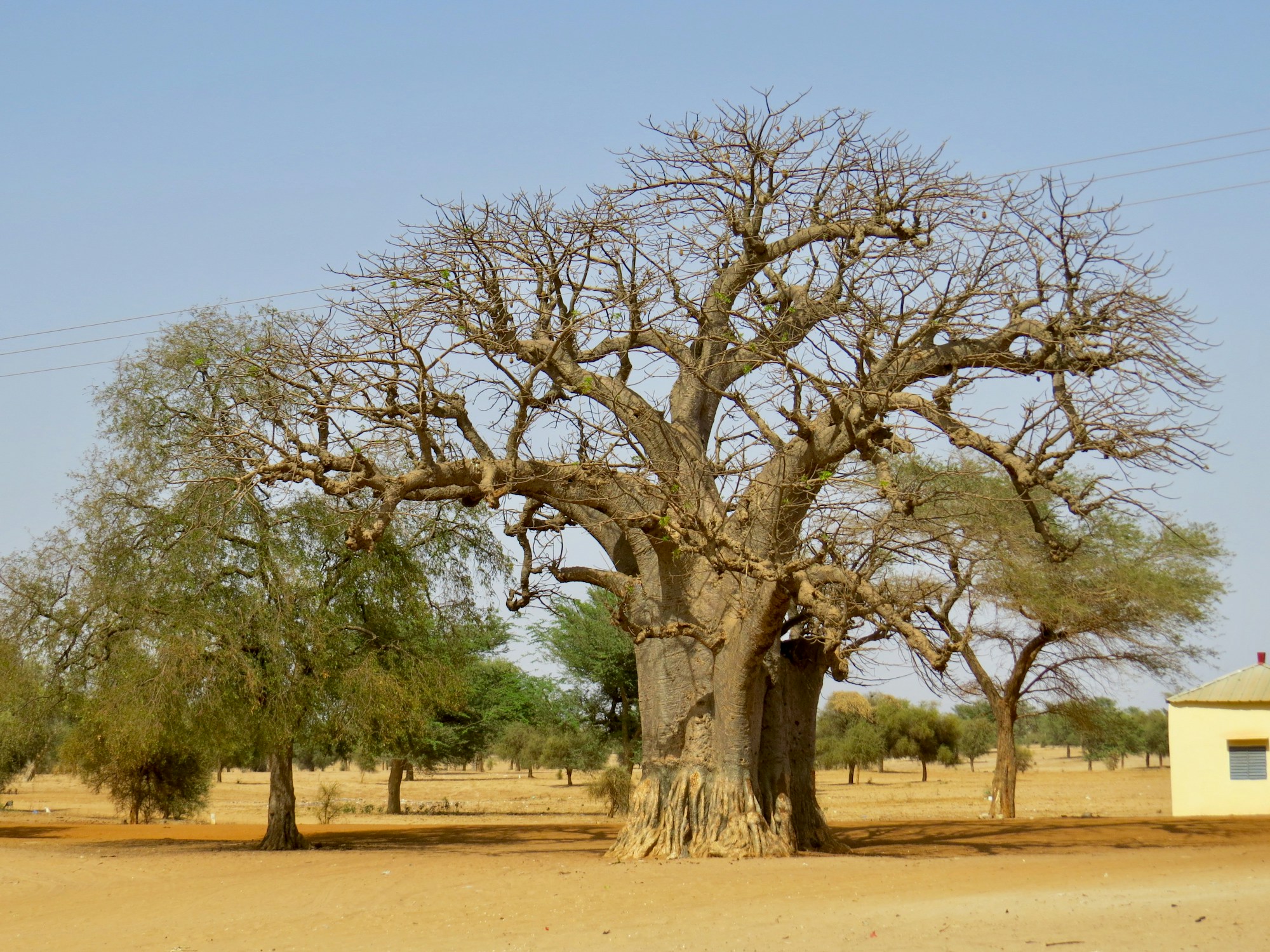
- Rich with baobab trees and mopane forests
Wildlife sightings may require greater patience, but the reward is a deeper sense of wilderness and solitude.
For experienced safari travelers, these quieter regions often become the highlight of the journey because they offer:
- Fewer vehicles
- More peaceful game drives
- Stronger immersion in nature
- A genuine feeling of remoteness
Many of the principles behind our Wild & Remote South African Safari are inspired by these types of wilderness experiences, where the focus shifts from crowds and checklists to connection and discovery.
Understanding the Greater Kruger Ecosystem
While many travelers search for "Kruger National Park safaris," some of South Africa's most exceptional safari experiences actually take place in the private reserves that share unfenced boundaries with the park.
Together, these reserves form what is commonly known as the Greater Kruger ecosystem.
Because there are no fences between these reserves and the national park:
- Wildlife moves freely
- Animal populations remain healthy and interconnected
- Guests enjoy the same incredible wildlife viewing opportunities
The difference lies in the experience itself.
Private reserves often offer adventurous walking safaris, guided bush walks, night drives, and:
- Fewer vehicles at sightings
- Smaller guest numbers
- Expert guides and trackers
- More personalized service
- Greater flexibility during game drives
- A quieter and more immersive safari atmosphere
For many travelers, this creates a far richer safari experience than navigating the public sections of the park alone.
Choosing the Best Time to Visit
The timing of your safari dramatically shapes the experience.
Dry Season (May-September)
The dry winter months are widely considered the best time for wildlife viewing because:
- Vegetation becomes thinner
- Animals gather around water sources
- Temperatures are cooler
- Wildlife is easier to spot
This period is especially ideal for:
- First-time safari travelers
- Big Five sightings
- Photography
- Comfortable safari conditions
Mornings can be surprisingly cold, but daytime temperatures are usually mild and pleasant, though many travelers still prefer an open vehicle for better visibility or air-conditioned rooms during the midday heat.
Wet Season (October-April)
The wet summer months transform the landscape into a lush, green wilderness.
This period offers:
- Dramatic skies and landscapes
- Migratory birds
- Baby animals throughout the park
- Excellent photography conditions
- Fewer crowds in some regions
Wildlife can sometimes be harder to spot because of thicker vegetation, but many travelers love the vibrancy and beauty of the summer season.
For photographers and repeat safari travelers, this time of year can feel especially rewarding.
Accommodation: Why Your Safari Lodge Matters
One of the biggest factors shaping your safari experience is where you stay.
While Kruger offers everything from a traditional rest camp with comfortable chalets, campsites, or an authentic tented camp for glamping to a luxury lodge, many travelers today are seeking accommodations that feel:
- Smaller and more intimate
- More connected to nature
- Less crowded
- Highly personalized
- Immersive without sacrificing comfort
The difference between a standard safari and a truly memorable one often comes down to lodge atmosphere and guiding quality.
Smaller safari lodges often provide:
- Personalized service
- More flexibility during game drives
- Fewer guests per vehicle
- Better wildlife viewing experiences
- A quieter and more immersive atmosphere
At the end of the day, some of the most unforgettable safari moments happen back at camp:
- Listening to distant lions after dark
- Watching elephants pass near your deck
- Sharing stories around the fire
- Falling asleep to the sounds of the bush
Our Wild & Remote South African Safari focuses heavily on these types of thoughtfully selected safari experiences, blending luxury, wilderness, and immersive wildlife encounters into one seamless journey. Explore the Wild & Remote South African Safari
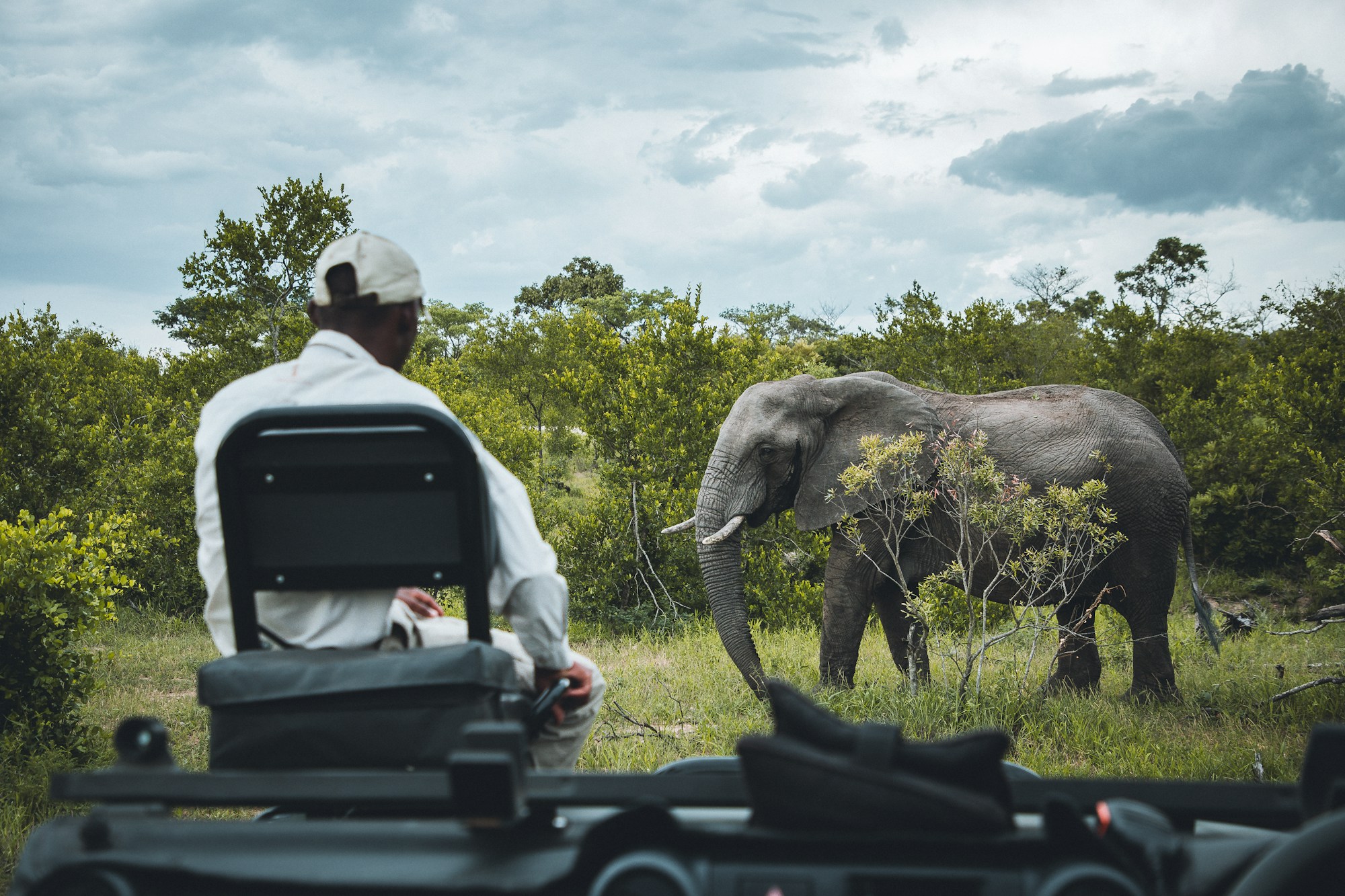
Why Many Travelers Choose Guided Safaris Over Self-Drive Experiences
One of the biggest differences between a standard safari and a truly exceptional safari often comes down to the quality of guiding.
While self-drive safaris remain popular in some parts of South Africa, many travelers increasingly prefer professionally guided experiences.
Expert guides bring:
- Wildlife tracking expertise
- Deep knowledge of animal behavior
- Conservation insights
- Local knowledge
- Access to remote safari regions
- A richer understanding of the ecosystem
In private reserves, guides and trackers work together to interpret the landscape in ways most visitors would never be able to on their own.
The result is a more immersive and educational safari experience that goes far beyond simply spotting wildlife.
The Emotional Side of Safari Travel
What surprises many travelers most about safari is how emotional the experience can feel.
There’s something profoundly grounding about spending time in landscapes that operate completely outside the rhythm of modern life.
Safari naturally encourages travelers to:
- Slow down
- Observe more carefully
- Disconnect from distractions
- Become more present
In remote wilderness areas especially, travelers often describe:
- Feeling calmer and more connected to nature
- Experiencing a renewed sense of perspective
- Becoming more aware of their surroundings
- Reconnecting with curiosity and wonder
This is part of why safari travel becomes so transformative for many people. It changes not only how travelers view Africa, but often how they view travel itself.
Final Preparations for Your Journey
Planning a safari in the Greater Kruger region is about far more than comparing standard safari packages, choosing accommodations, and booking game drives. The most rewarding journeys are thoughtfully designed around pacing, atmosphere, wildlife experiences, and meaningful immersion in the landscape itself.
Whether you're visiting South Africa for the first time or returning for a deeper wilderness experience, the right itinerary can completely shape the way you experience safari.
For travelers seeking a quieter, more immersive, and thoughtfully designed safari experience beyond the traditional tourist route, our Wild & Remote South African Safari offers an unforgettable way to experience South Africa’s extraordinary wilderness. Start Planning Your Wild & Remote South African Safari
Begin Your Remote Safari Journey