

Planning Your Norway Adventure:
The Best Time to Visit for Every Traveler
Planning Your Norway Adventure: The Best Time to Visit for Every Traveler
Choosing the best time to visit norway isn’t just about picking a date on a calendar; it is about choosing which version of a mythical world you want to step into. Norway is a land of dramatic extremes, where the sun refuses to set in July and refuses to rise in December. It is a place where a single mountain pass can transition from lush spring greenery to a biting blizzard in a matter of minutes.
Whether you are dreaming of standing on the edge of Preikestolen, chasing the ethereal dance of the Northern Lights, or sipping coffee in a cozy Bergen cafe while rain drums against the window, timing is your most important travel tool. This guide will help you navigate the nuances of the Norwegian seasons so you can align your personal "must-sees" with the rhythm of the North.
Finding Your Perfect Moment in the Land of the Midnight Sun
The "best" time is entirely subjective. If you crave the energy of bustling harbor fronts and endless daylight for hiking, you’ll find your paradise in midsummer. However, if you seek the silence of the Arctic wilderness and the thrill of the Aurora, you’ll find your peace in the depths of winter.
Norway demands respect for its natural cycles. To plan effectively, you must stop thinking of it as a single destination and start viewing it as a collection of micro-climates. What is happening in the temperate south near Oslo rarely reflects the conditions in the rugged north of Tromsø. Your perfect moment exists; you just need to know which month and best time of year it belongs to.
Ready to start planning your trip to Norway? Global Basecamps can help you build a fully custom itinerary tailored to your travel style and interests. Start planning now!
Norway by the Seasons: A High-Level Look
Spring (May to June): The Awakening
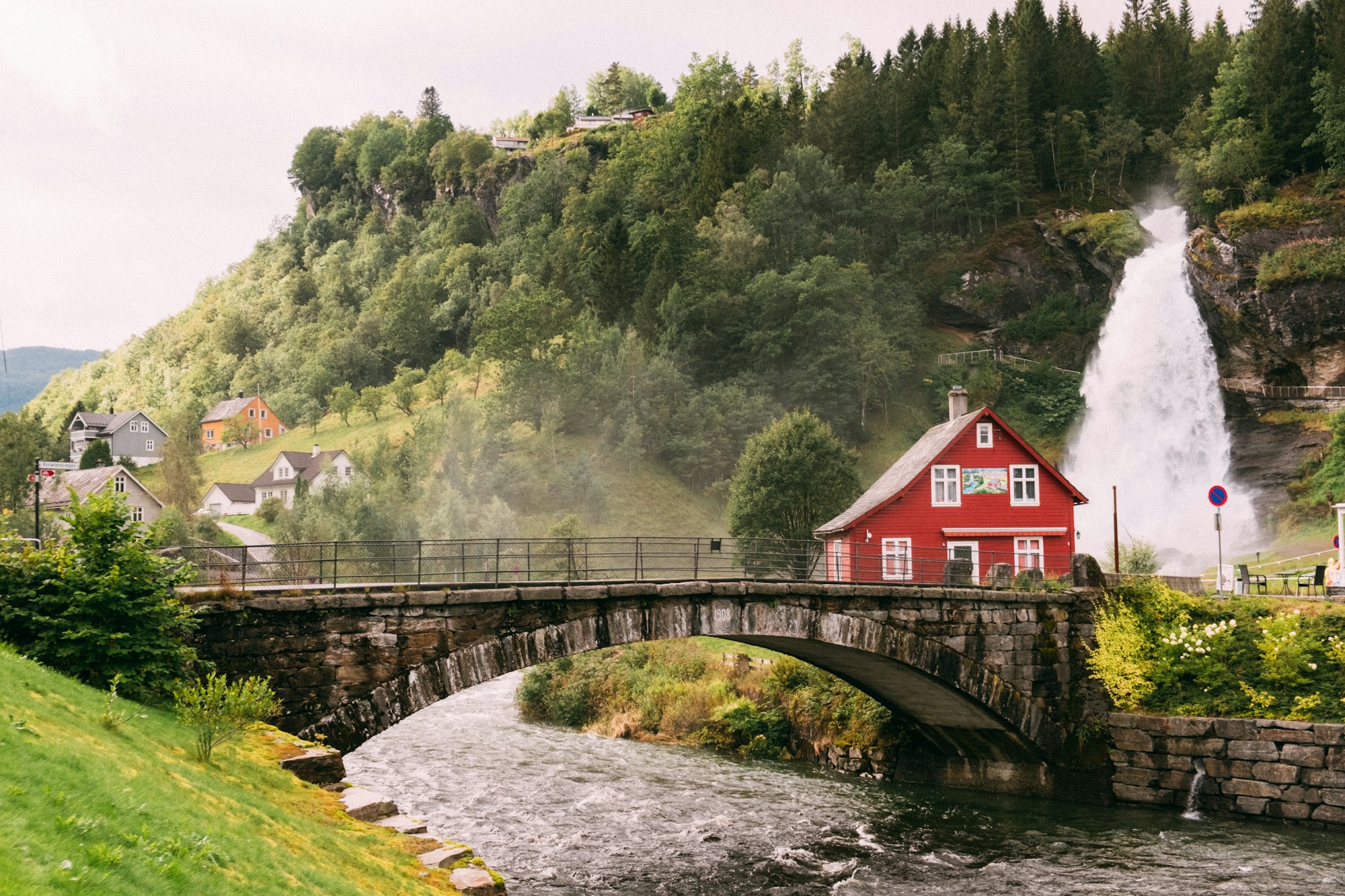
Spring in Norway is a sensory explosion. As the snow melts in the mountains, thousands of waterfalls, often dry or frozen in winter, roar to life, cascading down the norwegian fjords with thunderous intensity. In the Hardangerfjord region, fruit trees burst into bloom against a backdrop of snow-capped peaks. This is arguably a great time and the most beautiful period for photography, as you get the contrast of winter's white peaks and spring's vibrant greens.
Summer (July to August): The Peak Experience
This is the window when the entire country opens its doors. High-altitude hiking trails finally shed their snow, and the legendary mountain roads like Trollstigen become navigable. The weather during these summer months is at its most stable, and the "Midnight Sun" provides an surreal energy that keeps locals and tourists alike outside until the early hours. It is the season of outdoor festivals, kayaking, and island hopping in the Lofoten archipelago.
Autumn (September to October): The Golden Transition
September is Norway’s best-kept secret. The crowds of summer evaporate, and the landscape turns into a tapestry of burnt oranges, deep reds, and ochre. The air becomes crisp and remarkably clear, offering some of the best visibility for mountain views. As the nights begin to darken again in late September, the first glimpses of the Northern Lights often appear, making this a "best of both worlds" period for those who don’t mind a bit of a chill.
Winter (November to April): The Polar Wonderland
Winter is long, dark, and profoundly beautiful. This is the season of kos, the Norwegian concept of coziness. Think crackling fires, candles in every window, and the blue "twilight hour" that settles over the snow-covered landscapes. From dog sledding and snowmobiling in the interior to skiing in the Olympic runs of Lillehammer, winter is for those who embrace the cold as a playground rather than an obstacle.
The Best Time to See the Northern Lights (Aurora Borealis)
Why Darkness and Latitude Matter
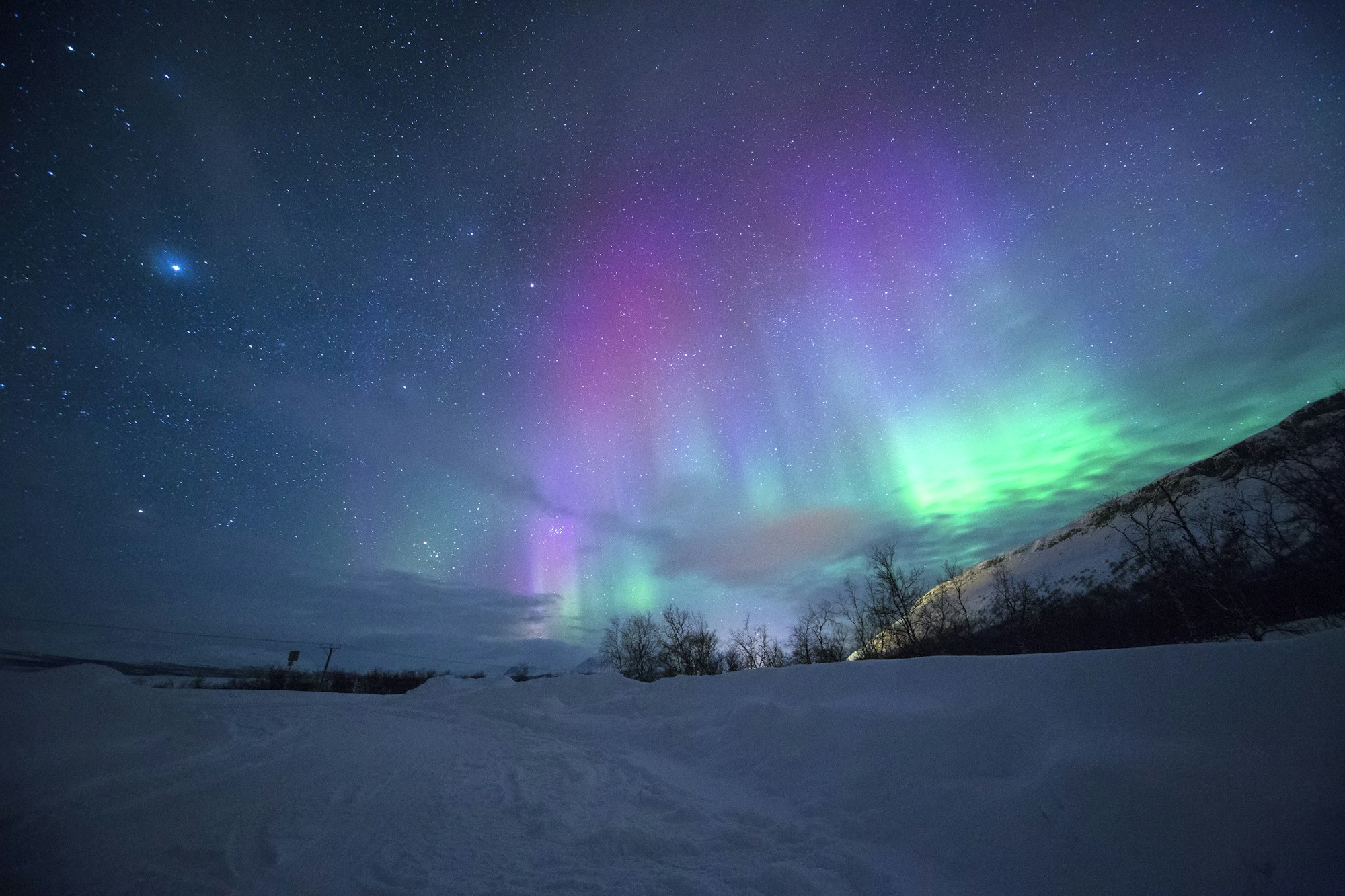
The Aurora Borealis is a shy performer. To see it, you need three things: solar activity, clear skies, and absolute darkness. While the lights are technically active year-round, you cannot see them during the summer because the sky never gets dark enough. The season officially runs from late September to late March. Generally, the further north you go, above the Arctic Circle, the higher your statistical chances of a sighting.
Top Regions for Aurora Chasers
Tromsø is often called the "Gateway to the Arctic" and serves as one of the best places and a premier hub for Aurora hunters due to its excellent infrastructure. However, the Lofoten Islands offer a more dramatic backdrop, with the lights dancing over jagged sea peaks. For those who want a true wilderness experience, the Finnmark plateau (Alta and Kirkenes) offers stable, inland weather with fewer clouds than the coast.
The "Equinox Advantage" for Solar Activity
Seasoned Aurora hunters often target the weeks around the Autumn Equinox (September) and the Spring Equinox (March). Scientists have noted that the Earth’s magnetic field aligns more favorably with the solar wind during these periods, often triggering more intense and frequent geomagnetic storms. If you want the strongest displays without the -20°C temperatures of January, March is one of the best months and your "sweet spot."
Want to experience Scandinavia during Aurora season? Our Norway, Finland & Sweden Odyssey journey combines vibrant Nordic cities with unforgettable Arctic experiences. From Oslo and Stockholm to the far north, this itinerary is designed to showcase the best of Scandinavia across every season.
The Best Time for Hiking and Fjord Exploration
The Sweet Spot: Late June to August
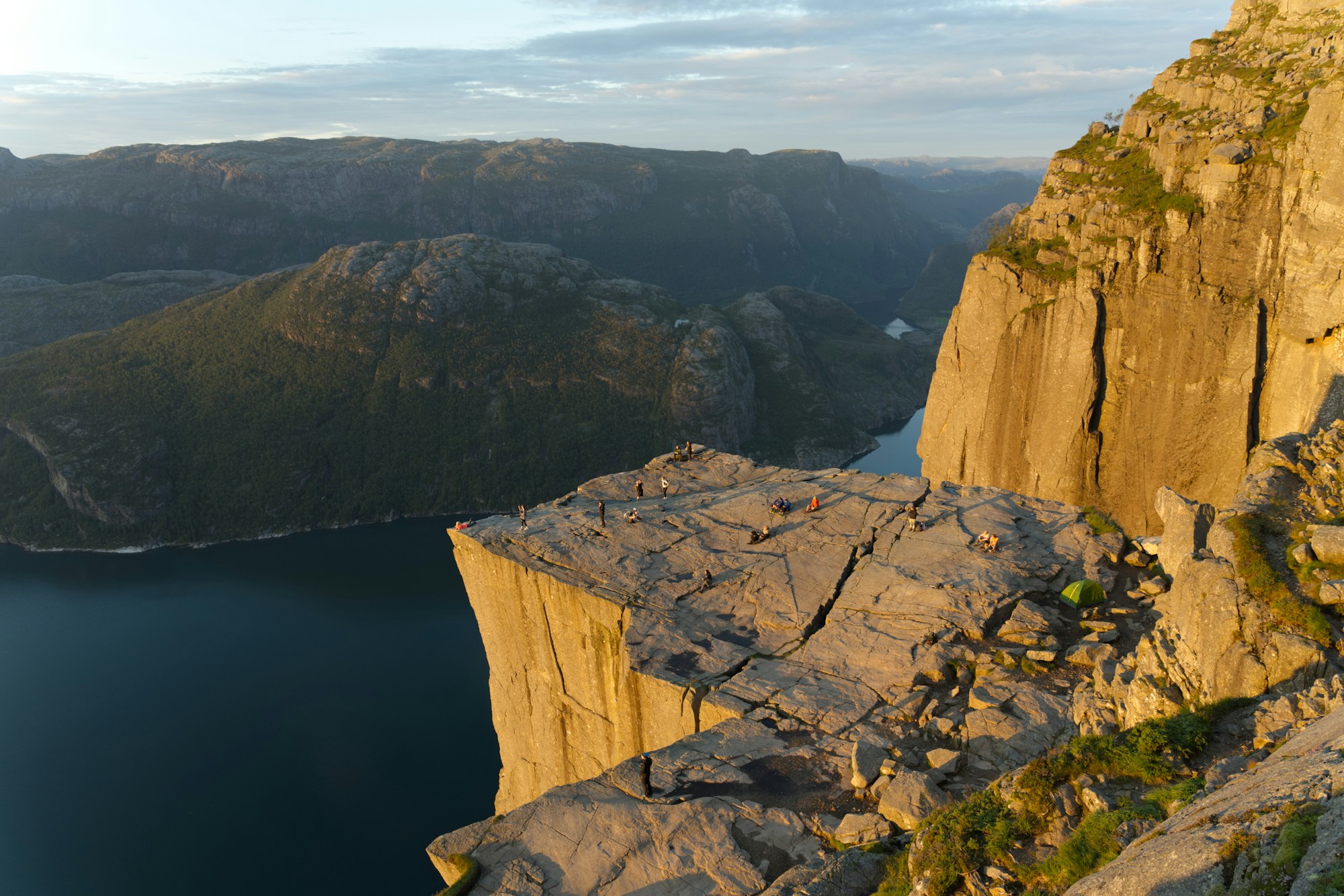
If your goal is to hike the "Big Three" (Preikestolen, Trolltunga, and Kjeragbolten), do not arrive before mid-June. Even if the valleys are warm, the high plateaus remain buried under snow well into the spring. July and August offer the safest conditions and the most reliable transport to trailheads. During this window, the fjords are a brilliant turquoise, fed by glacial meltwater, and the water is (relatively) warm enough for a brave dip.
Navigating the Shoulder Season (September)
For those who prefer solitude over social media-worthy crowds, early September is magnificent. The mosquito season has ended, the berry-picking season is in full swing, and the trails are still clear of new snow. However, be prepared for shorter days and the possibility of early autumn storms. Always check mountain forecasts (Yr.no is the local gold standard) before heading out.
The Best Time for Budget-Conscious Travelers
Avoiding the July Peak Pricing
Norway is notoriously expensive, and July is the peak of the peak. Accommodation prices skyrocket, and the most popular campsites and cabins (hytter) fill up months in advance. By simply shifting your trip to late August or early September, you can often find significant discounts on rentals and local transport while still enjoying mild weather.
The Perks of Traveling in Late Spring (May)
May is a brilliant "value" month. While it is technically the start of the tourist season, the rush hasn't quite hit. Flights into Oslo and Bergen are often cheaper than in mid-summer. You get the benefit of long daylight hours and the spectacular sight of the fruit blossoms, but you’ll find it much easier to book a table at a top restaurant or snag a spot on a popular ferry without a reservation.
Winter City Breaks: Finding Value in Oslo and Bergen
If you aren't set on hiking, consider a winter city break. Oslo and Bergen are transformed into magical, light-filled hubs in November and early December. Hotel rates in the cities can be surprisingly competitive during the winter months (excluding the Christmas period), and the museums, galleries, and indoor attractions are blissfully uncrowded.
Experience the Midnight Sun: Where and When

Explore Norway Tours
The Science of 24-Hour Daylight
The Midnight Sun occurs because the Earth tilts on its axis toward the sun during the summer. Once you cross the Arctic Circle (66°33′N), the sun does not set at all for a period of time. In Bodø, this lasts from early June to early July. In the North Cape (Nordkapp), the sun stays up from mid-May all the way to the end of July.
Living Life Above the Arctic Circle
Visiting during the Midnight Sun is a surreal experience. It messes with your internal clock in the best way possible. You might find yourself starting a hike at 11:00 PM or sitting on a beach in the Lofoten Islands watching the sun dip toward the horizon, only to bounce back up like a golden ball. It provides a massive boost of energy, allowing you to pack more into your days, just make sure your hotel has high-quality blackout curtains.
The Best Time for Winter Sports and Arctic Adventures
Skiing the Norwegian Way: February to April
While December is dark and January is bitterly cold, February through April is the "Golden Age" of Norwegian skiing. The days are getting longer, the snow base is at its thickest, and the sun begins to show its face again. Norwegians flock to the mountains for "Easter Skiing," which involves long days on the slopes followed by an orange and a "Kvikk Lunsj" (the local version of a KitKat) in the sun.
Dog Sledding and Whale Watching Windows
For dog sledding, January to March offers the most reliable snow cover. If your heart is set on whale watching, specifically orcas and humpbacks, you need to target the winter months. These giants follow the herring into the fjords of Northern Norway (specifically around Skjervøy) from late October to late January. It’s a cold experience, but seeing a pod of orcas breach against a polar sunset is a life-altering moment.
A Month-by-Month Guide to Norway’s Cultural Calendar

Constitution Day (May 17th): Norway’s Biggest Party
If you want to see Norway at its most patriotic and joyful, be there on May 17th. Every city, town, and hamlet erupts in celebration. Locals dress in their Bunad (traditional folk costumes), children’s parades fill the streets, and the atmosphere is electric. It is not a day for sightseeing in museums, most are closed, but it is the best day for people-watching and experiencing true Norwegian culture.
Midsummer Celebrations (Sankthansaften)
On June 23rd, Norwegians celebrate the summer solstice with Sankthansaften. Huge bonfires are lit along the coast, and families gather for barbecues and boat trips. In places like Ålesund, they have even set world records for the tallest bonfire made of wooden pallets. It is a night of community, fire, and the celebration of the light.
The Magic of Christmas Markets and "Kos"
From late November, Norway’s cities turn into Christmas postcards. The market in Oslo (Jul i Vinterland) and the world’s largest Gingerbread Town (Pepperkakebyen) in Bergen are highlights. This is the time to embrace kos, the feeling of warmth and contentment. The air smells of roasted almonds and gløgg (mulled wine), and the darkness of the season is countered by millions of twinkling lights.
Responsible and Sustainable Travel in Norway
The Philosophy of 'Friluftsliv' (Open-Air Living)
To travel in Norway is to embrace Friluftsliv, the cultural obsession with being outdoors. But with this comes a responsibility to the land. Norwegians have a "Right to Roam" (Allemannsretten), which allows you to hike and camp almost anywhere. However, this is a right based on the premise of "leave no trace." Whether you visit in June or January, your goal should be to leave the landscape exactly as you found it.
Combatting Overtourism: Why the Shoulder Season Matters
Places like Reine in Lofoten and the Geirangerfjord can feel overwhelmed in July. By visiting in the shoulder seasons (May, September, or even October), you spread the economic benefits of tourism throughout the year and reduce the physical strain on the environment. You’ll also have a far more authentic experience, as you’ll have the space to actually hear the wind and the water rather than the chatter of hundreds of other tourists.

Navigating Norway’s Vulnerable Ecosystems with Care
The Arctic and alpine environments are fragile. Moss and lichen can take decades to recover from being trampled. Stick to marked trails, especially during the muddy spring thaw when "braiding" (creating multiple paths) can cause significant erosion. If you are visiting in winter, be mindful of wildlife; animals are often on the brink of survival and shouldn't be stressed by drones or close-range photography.
Supporting Local Communities Year-Round
Norway’s small coastal villages often struggle when the summer tourists leave. By visiting in the "off-season," you support local businesses, from small guesthouses to independent cafes, that rely on year-round income to survive. Look for "Eco-lighthouse" certified providers and prioritize locally owned tours over international cruise lines.
Looking to travel more thoughtfully in Norway? At Global Basecamps, we believe meaningful travel should also support the places you visit. From choosing locally owned accommodations to building itineraries that embrace slower travel and shoulder-season experiences, our team can help you design a journey rooted in sustainability and deeper connection. Start Planning Your Norway Journey!
Practical Tips for Any Season
The Art of Layering: What to Pack
The Norwegian saying "There is no such thing as bad weather, only bad clothing" is your new mantra. Regardless of the season, you need layers.
- Base Layer: Wool (Merino is best). It stays warm even if it gets wet.
- Mid Layer: Fleece or a light down jacket for insulation.
- Outer Layer: A high-quality wind and waterproof shell. Even in July, you may need a wool hat and gloves on a boat or high in the mountains.
Understanding Norway’s Microclimates
Do not trust a general "Norway" forecast. Bergen is one of the wettest cities in Europe, while just a few hours inland at Skjåk, it is practically a desert. Always check local forecasts and be prepared for the weather to change four times in a single afternoon. If you are driving, remember that mountain passes can be 10-15 degrees colder than the fjords they connect.
Transportation Logistics: Winter Closures and Summer Ferries
In winter, many "National Scenic Routes" close due to heavy snow. If you are planning a road trip between November and May, check the Norwegian Public Roads Administration (Statens Vegvesen) for closures. Conversely, in summer, the popular ferries can have long queues. If you are traveling in July, booking your car spot on ferries and fjord cruises like the one from Hellesylt to Geiranger is essential.
Matching Your Goals to the Calendar
To find your perfect time, ask yourself what you want to feel:
- For pure energy and endless days: Go in June or July.
- For the "blossom" magic and roaring waterfalls: Choose May.
- For the best hiking and autumn colors: Aim for September.
- For the Northern Lights and winter activities: Visit between February and March.
- For a quiet, cozy cultural experience: Try December.
Norway is not a "once in a lifetime" destination; it is a place that demands you return in a different season to see how the light has changed the mountains. No matter when you choose to go, if you respect the weather and the local customs, the Land of the Midnight Sun will leave an indelible mark on your soul.
Ready to experience Norway in the season that’s right for you? Start Planning Your Norway Adventure
Reach Out Today