The Best Places to Visit on Your Next Trip to Thailand
The hardest part of any trip to Thailand is deciding where to go. The choices are endless – the white sandy beaches of the Andaman Coast, indulging in Chiang Mai’s culinary delights, visiting Bangkok’s gleaming Buddhist temples and biking through the 13th-century ruins of ancient Sukhothai, Thailand’s first capital. You’ll find it hard to leave. Thailand is a traveler’s dream—friendly people, delicious food and stunning scenery. Plus, it’s budget-friendly and very safe. Keep reading for the best places to go in Thailand and how to best prepare for your trip!
Are you ready to start planning today? Reach out to our Travel Specialists for a Free Quote today !
Bangkok
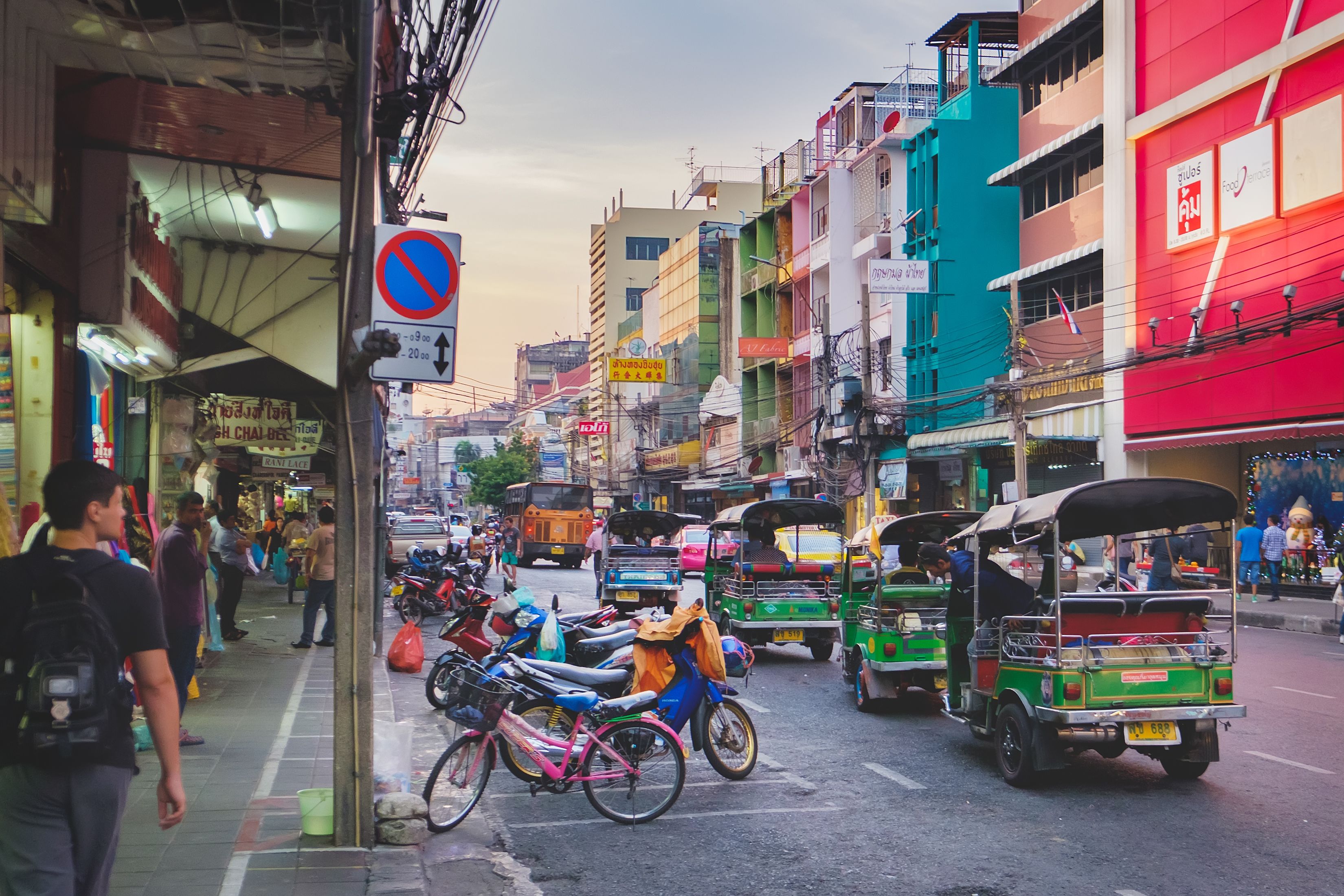
Bangkok is a kaleidoscope of both Eastern and Western culture: sleek shopping malls just blocks away from traditional Buddhist temples. The capital city boasts a sleek metro train system that makes it easy to get around. The most famous sites are The Grand Palace, the former royal residence, and Wat Phra Kaew, home to the Emerald Buddha, the most revered image in Thailand that dates back to the 13th and 14th centuries. Nearby, Wat Pho, known for the reclining Buddha, and the iconic Wat Arun across the river are also a must. Include our Best of Bangkok tour in your booking to hit all the iconic, must-see places in Thailand’s capital.
Chiang Mai
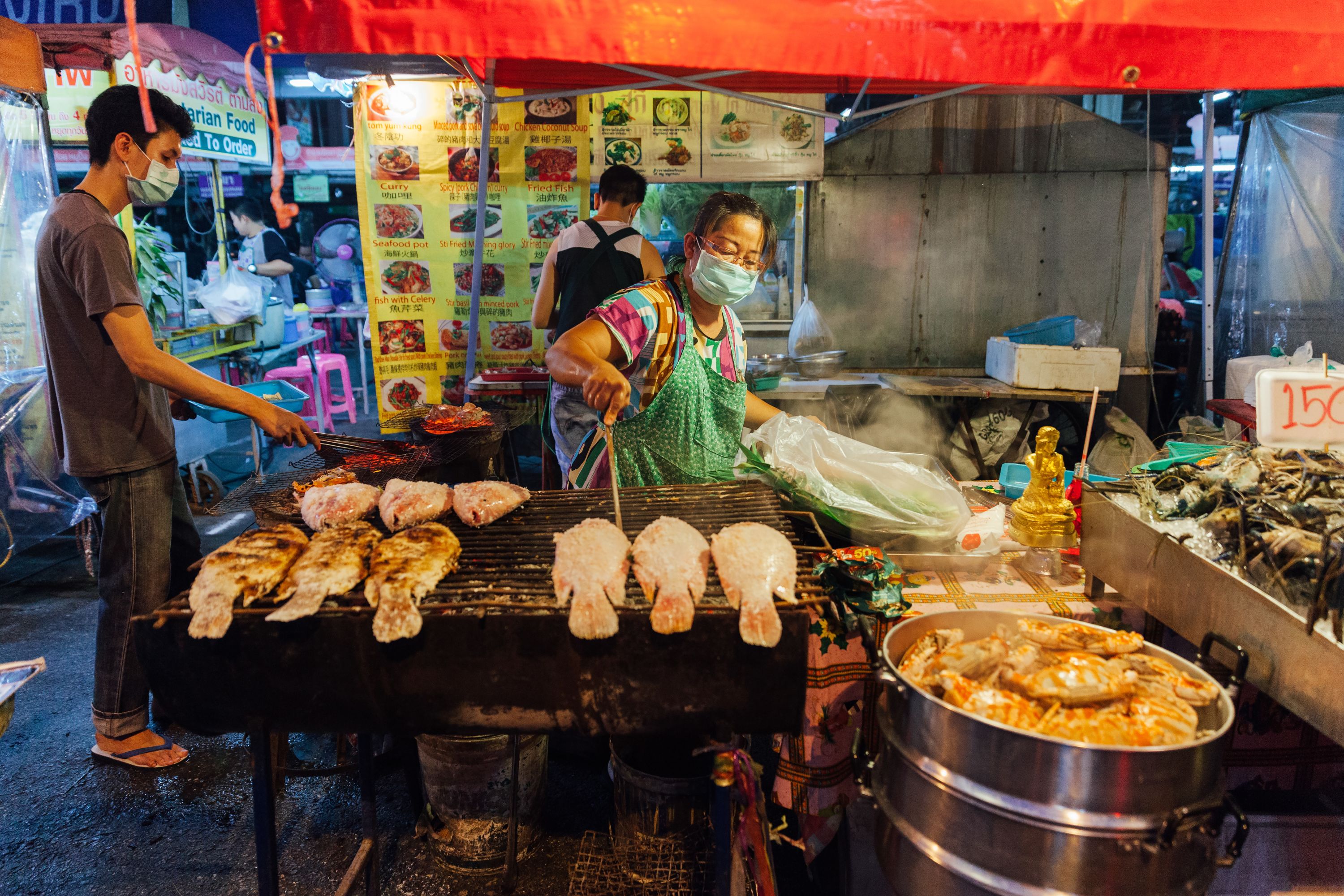
Chiang Mai is the laid-back culinary hub of Northern Thailand. Stroll through the old town, a 1.5 km square surrounded by original walls and moat to visit Wat Chedi Luang which dates back to 1441. Climb the 306 steps to the mountain-top temple of Wat Phra That Doi Suthep, which is a short trip outside of the city. Famous for its night markets, stop by the Chiang Mai Night Bazaar in the old city, the 1km long sprawling nightly market for a bowl or two of khao Soi, a delicious soup curry. Don’t hesitate to try the street food!
Chiang Rai
The small town of Chiang Rai is often overlooked but worth a visit if only to see the famous white temple, Wat Rong Khun. The temple is a contemporary art project by local artist Chalermchai Kositpipat that opened in 1997 and is still not yet completed! Another local artist, Thawan Duchanee, is known for a 40-building complex known as the black temple (Baan Dam Museum) that features a dark and controversial interpretation of Buddhist philosophy. There’s also a blue temple, Wat Rong Seur Ten. The city has great food and stunning temples and is a good base for nearby excursions.
Pai
Everyone loves Pai, a mountain town with beach vibes. The bohemian outpost is surrounded by lush mountain scenery and is one of the most visited parts of Northern Thailand. The city center is filled with boutique shops and an endless array of restaurants. The walking street is quite lively at night so we recommend sticking to the edges of town if you want solitude. Highlights include Pai Canyon, the strong>waterfalls of Pam Bok and Mae Yen, and Tha Pai Hot Spring.
Sukhothai & Ayutthaya
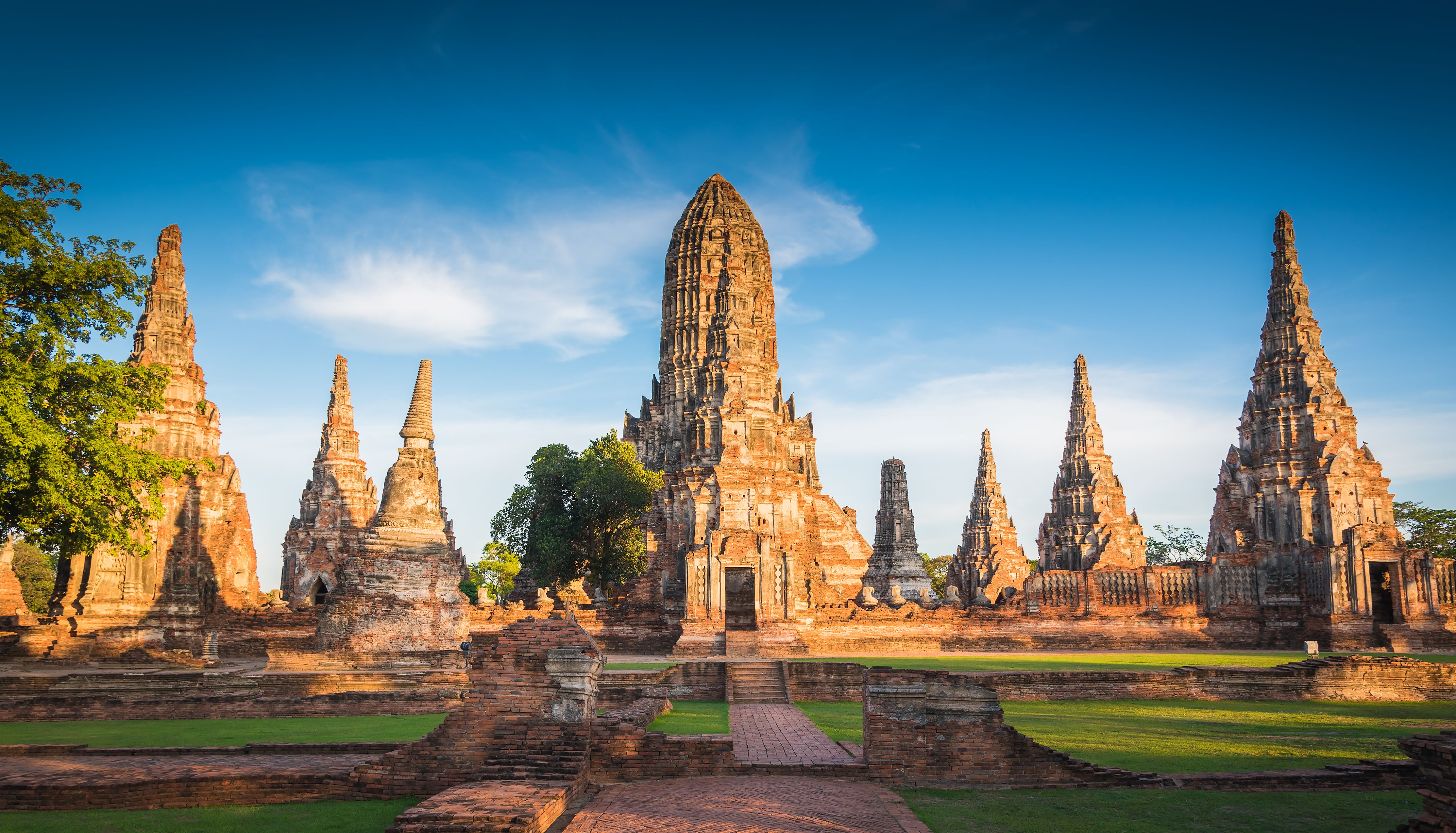
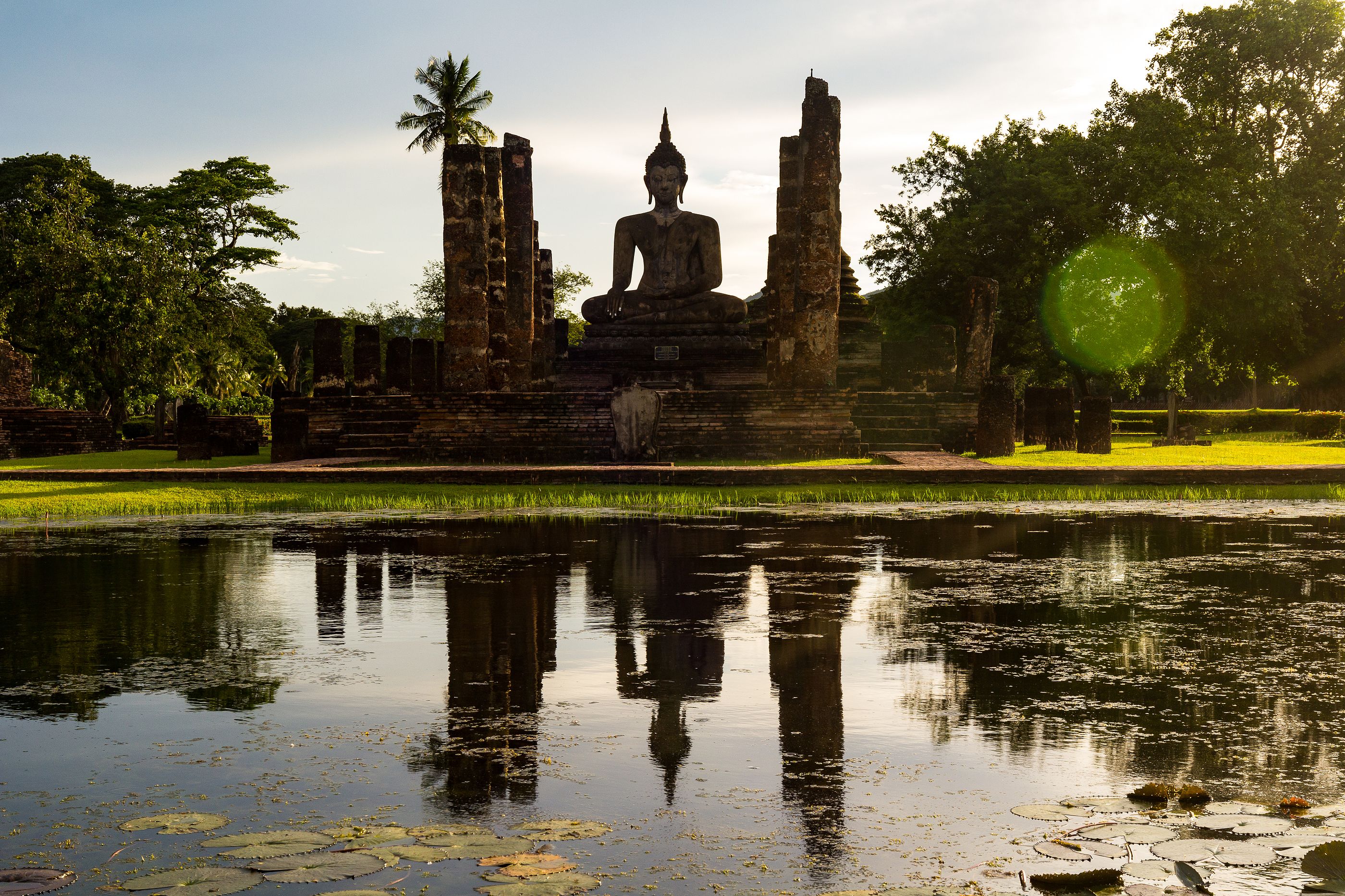
If you love ancient Buddhist ruins, then don’t miss these two UNESCO World Heritage sites . Sukhothai was the first capital of Siam in 13th and 14th centuries, and Ayutthaya was the second. Sukhothai is over halfway between Chiang Mai and Bangkok. Ayutthaya’s ruins are famous for a Buddha head entangled in tree roots at Wat Mahathat. Consider combining a trip to Ayutthaya Ruins with a visit to Erawan Waterfall, like in our Thailand Heritage Explorer Tour .
Where to Go in Southern Thailand
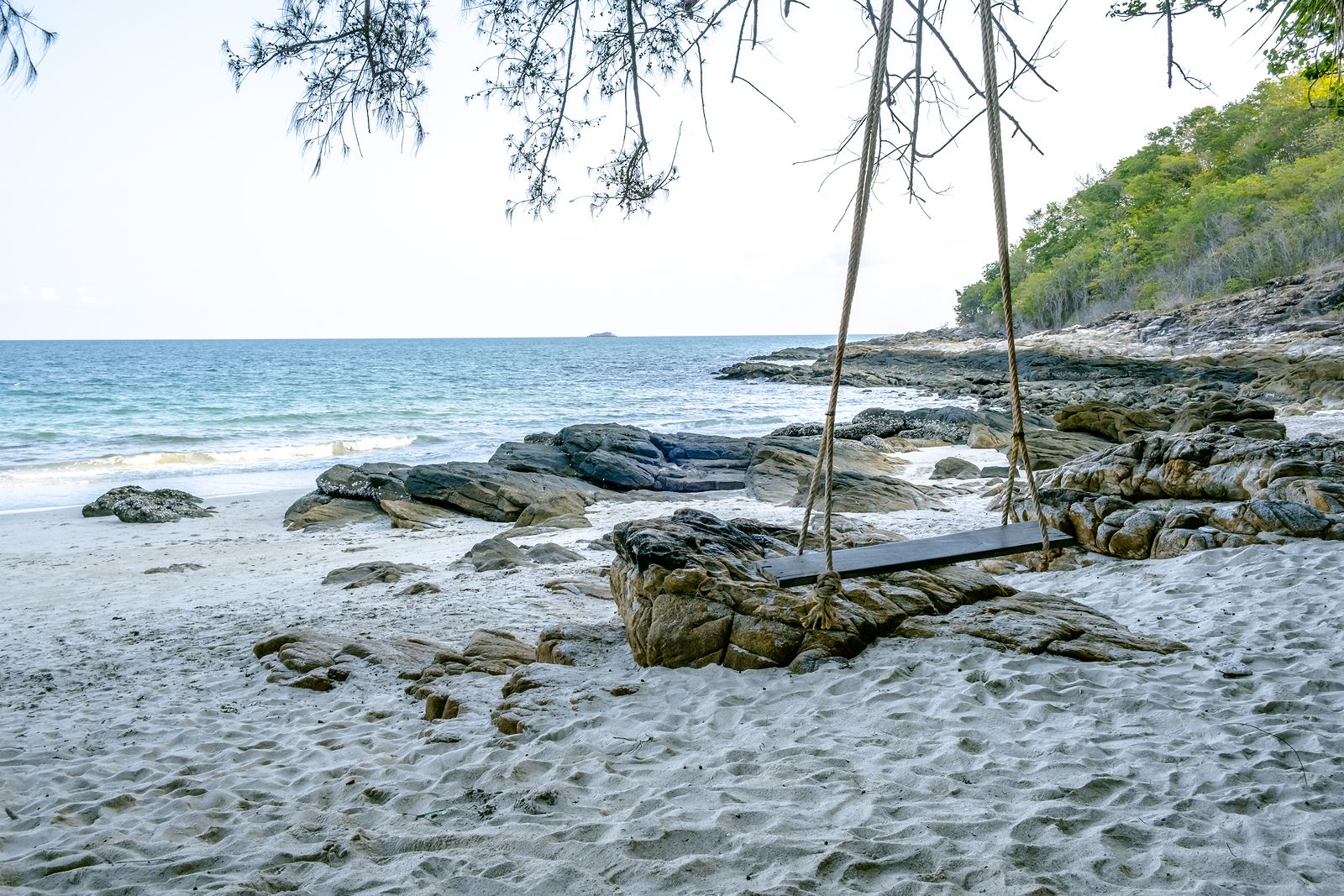
The trickiest part of visiting Thailand’s beaches is deciding between the Andaman Coast or the Gulf Islands. The gulf islands of Koh Tao, Koh Samui and Koh Pha-Ngan are close together, while the islands on the Andaman coast are scattered. Both have white sandy beaches and clear water, but the Andaman Coast is known for towering limestone cliffs.
Thailand’s Gulf Coast Islands
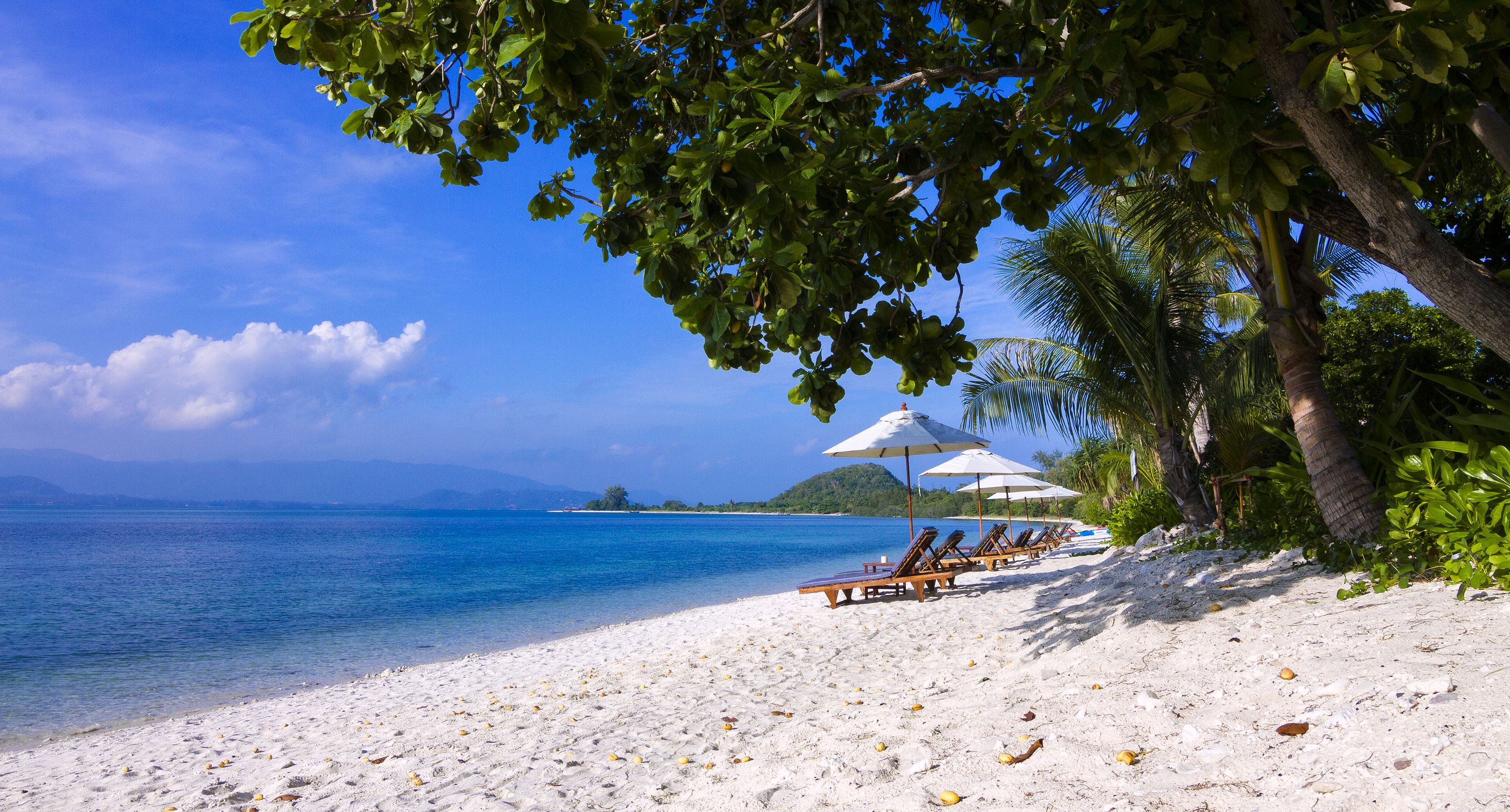
- Koh Tao is a diving mecca of Thailand and second in the world for the annual number of dive certifications. It’s also one of the most affordable places to be PADI certified. If you want to dive, there’s no better place in Thailand.
- Koh Samui is a resort island of the trio and probably the nicest island in Thailand with the cleanest beaches due to the amount of high-end resorts.
- Koh Pha-Ngan is the infamous party island known for the Full Moon Parties, a never-ending beach rave filled with electronic music and backpackers covered in neon paint. The party rages on both before and after the full moon. To escape the party scene, head to the laid-back and less visited northern parts of the island.
- Koh Samet Despite being the closest island to Bangkok, it’s an underdeveloped destination with a thick jungle interior. The southern portion of the island is more secluded and parts of the island only accessible by motorcycle or ATV. There are no white sandy beaches here, but the water is still clear.
Thailand’s West Coast Islands on the Andaman Sea
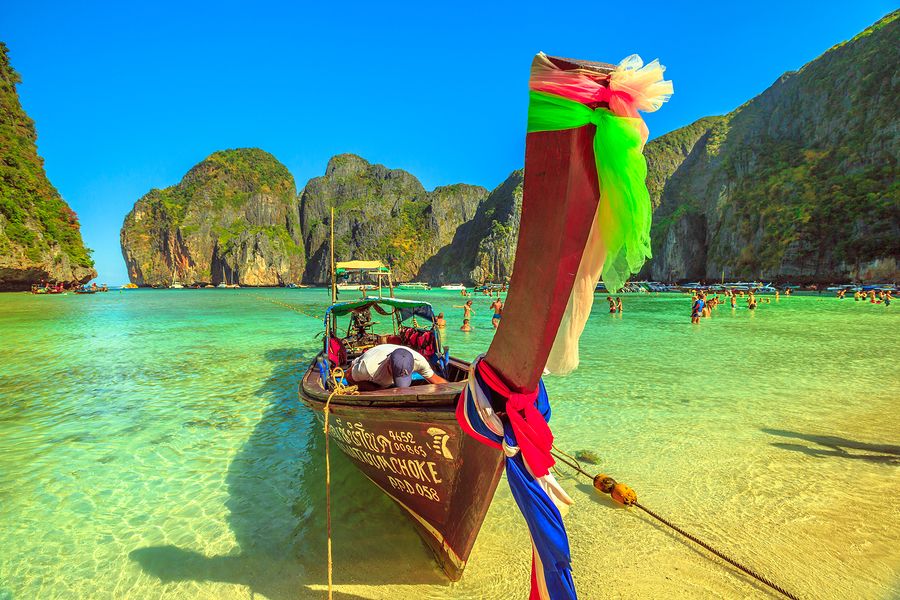
- Krabi Town is a key transport hub nestled between towering limestone karsts. Ao Naug and Railay Beach are the nicest nearby. Stay on Krabi for great access to the turquoise waters along the Phi Phi islands.
- Phuket is the most well known of the Thai islands and the largest island in the country. It’s a sprawling 30 miles long, which means you must decide exactly what part of the island to book accommodation. It is worth a stroll through Phuket town to see the historic architecture. Phuket, like Krabi, is a good transport hub to other islands.
- Khao Lak is a small town with a nice beach an hour north of Phuket. It’s a great location for day trips to the Similan and Surin Islands, Khao Sok and Khao Lak/Lam Ru National Parks.
- The Similan Islands Marine National Park is home to the most beautiful beaches in Southeast Asia and one of the prime diving and snorkeling spots. (Koh Bon and Koh Tachai are the best snorkeling and diving areas since they are unaffected by coral bleaching.) Overnight stays were banned in 2018. (Divers can stay on a live-aboard.) The islands are closed annually from May 15 – October 15th each year for environmental reasons. Consider a diving trip or a day snorkeling trip from Phuket and Khao Lak.
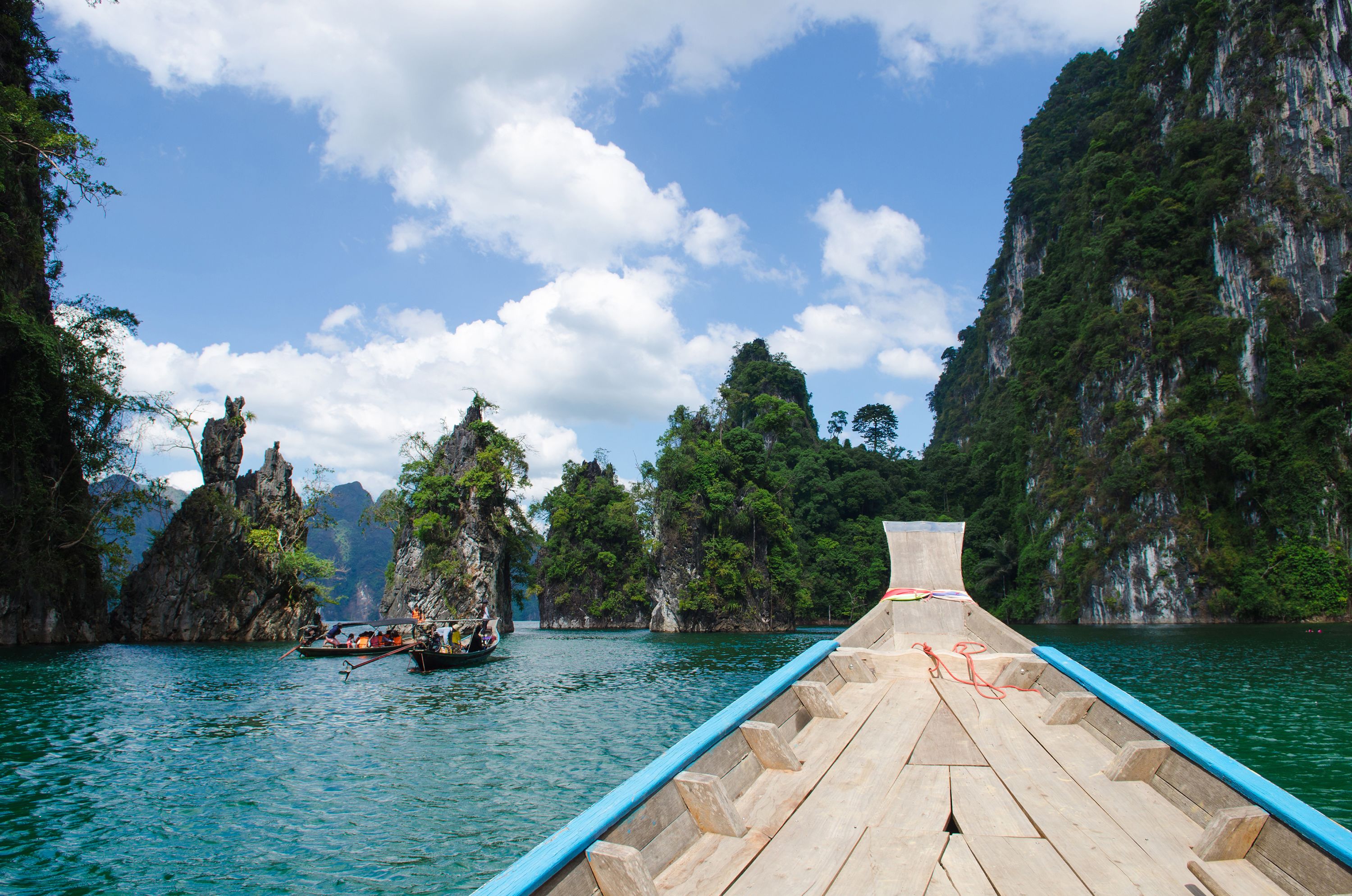
- Khao Sok National Park is one of Thailand’s hidden gems. The park centers around an inland, man-made lake, Chiaw Lan Lake, with some Ha Long Bay-esque scenery of towering limestone formations surrounded by some of the world’s oldest evergreen rainforest dating back 160 million years. Enjoy an array of activities with a resort stay while in Khao Sok National Park, such as in our Phuket Beaches & Khao Sok Adventure.
Thailand FAQ
The Best Time to go to Thailand
It will be hot year-round in Thailand, even in the “cool” season. The rainy season lasts from May to October, but it usually only rains a little each day. The occasional deluge can occur so keep an umbrella handy. (I honestly prefer the rainy season because it’s much greener and lusher.) Avoid the burning season near Chiang Mai in February/March, when the air quality is the worst in the world.
March to May is quite hot across the country, so we recommend avoiding this time of year if you don’t want to deal with such weather. November through February is peak travel season when temperate drop (low 80’s Fahrenheit in the north), and prices increase dramatically.
How to Dress in Thailand
Thailand is very conservative so be sure to cover your knees and shoulders in temples! Many temples in Bangkok even require long pants and long sleeves, and they will require you to rent clothing if you are not dressed appropriately. It’s important to be respectful at all times. Normal shorts are okay in Bangkok and Chiang Mai. The beaches in Southern Thailand are quite laid back comparatively.
Currency in Thailand
The currency is the Thai Baht (THB). ATMs are widely available, but they often charge a fee (around 220 THB) per withdrawal.
Ready to Experience the Best of Thailand?
Explore the can’t miss destination in Southeast Asia with Global Basecamps. Reach out today for your Free Thailand travel quote.