

Beyond the Big Five:
A Beginner’s Guide to Tanzania’s Serengeti
Welcome to the Serengeti: More Than Just a National Park
Imagine standing on a horizon so vast that the curvature of the Earth feels visible to the naked eye. To your left, a golden sea of grass across the savanna ripples under a soft breeze; to your right, the silhouette of an ancient acacia tree stands sentinel against a violet sky. You aren't just looking at a landscape; you are looking at the heartbeat of the natural world. This is the Serengeti.
For most travelers, the word "Serengeti" conjures images of lions lounging on granite kopjes or a dust-clouded scramble of wildebeest crossing a river within the iconic Serengeti National Park. While those iconic scenes are real, they are merely the prologue. The Serengeti is an emotional experience, a place that hums with a primal energy that resets your internal clock. It is one of the few places left on our planet where nature operates on a scale that makes human concerns feel beautifully small, earning its status as a UNESCO World Heritage site.
Whether you are a seasoned photographer or a family looking for a life-changing holiday, this guide is your compass. We aren’t just going to talk about checking animals off a list during a standard Tanzania safari or wildlife tour. We are going to dive into the rhythm of the land, the mechanics of the great migration, and the practical steps to turn this dream into a reality.

Ready to experience the Serengeti for yourself? Turning a safari trip like this into reality takes thoughtful planning, from choosing the right time of year to selecting the best camps and guiding experiences. Global Basecamps is here to help! Contact Us today to start planning!
Understanding the Ecosystem: The Land of Endless Plains
To understand the Serengeti, you must first understand its name. Derived from the Maasai word Siringet, it literally translates to "the place where the land runs on forever." This isn't marketing hyperbole; the ecosystem covers approximately 30,000 square kilometers, crossing the border into Kenya’s Maasai Mara, accessible via flights from Nairobi.
What makes this land special is its volcanic history. Millions of years ago, the Ngorongoro highlands erupted, blanketing the southern plains in ash. This ash evolved into a mineral-rich soil that prevents large forests from growing but encourages a hyper-nutritious "short grass" that acts as the engine for the world’s largest mammal migration.
The Four Main Regions of the Serengeti
The Serengeti is not a monolithic block of grass; it is a tapestry of distinct habitats, each offering a different flavor of adventure:
- The Southern Plains: This is the quintessential Serengeti. Vast, treeless, and open. From December to March, this region is the center of the universe as the Great Migration arrives to graze and give birth.
- The Central Serengeti (Seronera): Often called the "Big Cat Capital," this area features the Seronera River Valley. It provides permanent water sources, meaning resident wildlife, especially leopards and lions, are visible year-round.
- The Western Corridor: This is a finger of land stretching toward Lake Victoria. It is dominated by the Grumeti River, home to prehistoric-sized crocodiles and thick riverine forests.
- The Northern Serengeti: Characterized by rolling hills and hidden valleys, this is the most remote section. It is the stage for the dramatic Mara River crossings and offers a more rugged, exclusive feel.
Why the "Big Five" Are Only the Beginning
The "Big Five" (Lion, Leopard, Elephant, Buffalo, and the elusive Black Rhino) is a term coined by trophy hunters to describe the five most dangerous animals to hunt on foot. Today, it serves as a marketing gold standard for safaris. While seeing a male lion shake his mane is undeniably thrilling, focusing solely on these five is like going to the Louvre and only looking at the Mona Lisa.
The Serengeti’s true magic lies in its density and diversity. It is the sight of ten thousand zebras creating a black-and-white strobe effect across the plains or a solitary giraffe silhouetted against the sun. It is the social complexity of a mongoose colony or the terrifying speed of a hunting caracal. When you broaden your gaze beyond the Big Five, the "quiet" moments between sightings on the Serengeti plains become the most profound.
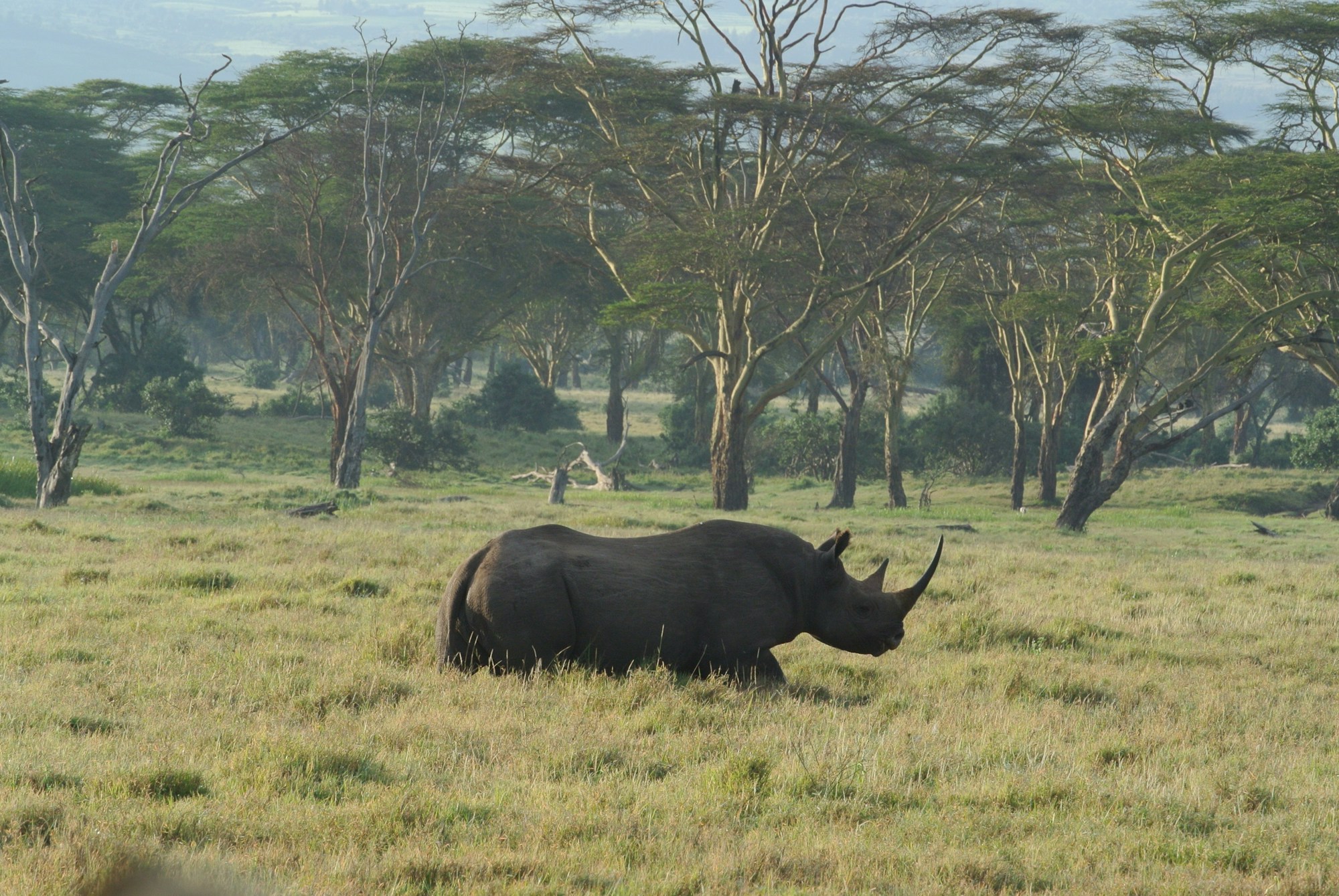
Ready to experience Africa beyond the Big Five? Our Tanzania Beyond the Big Five: Uganda, Tanzania & Spice Island journey is designed for travelers who want something deeper, combining iconic wildlife with lesser-known experiences, cultural connections, and time to unwind on Zanzibar’s coast.
The Greatest Show on Earth: Navigating the Great Migration
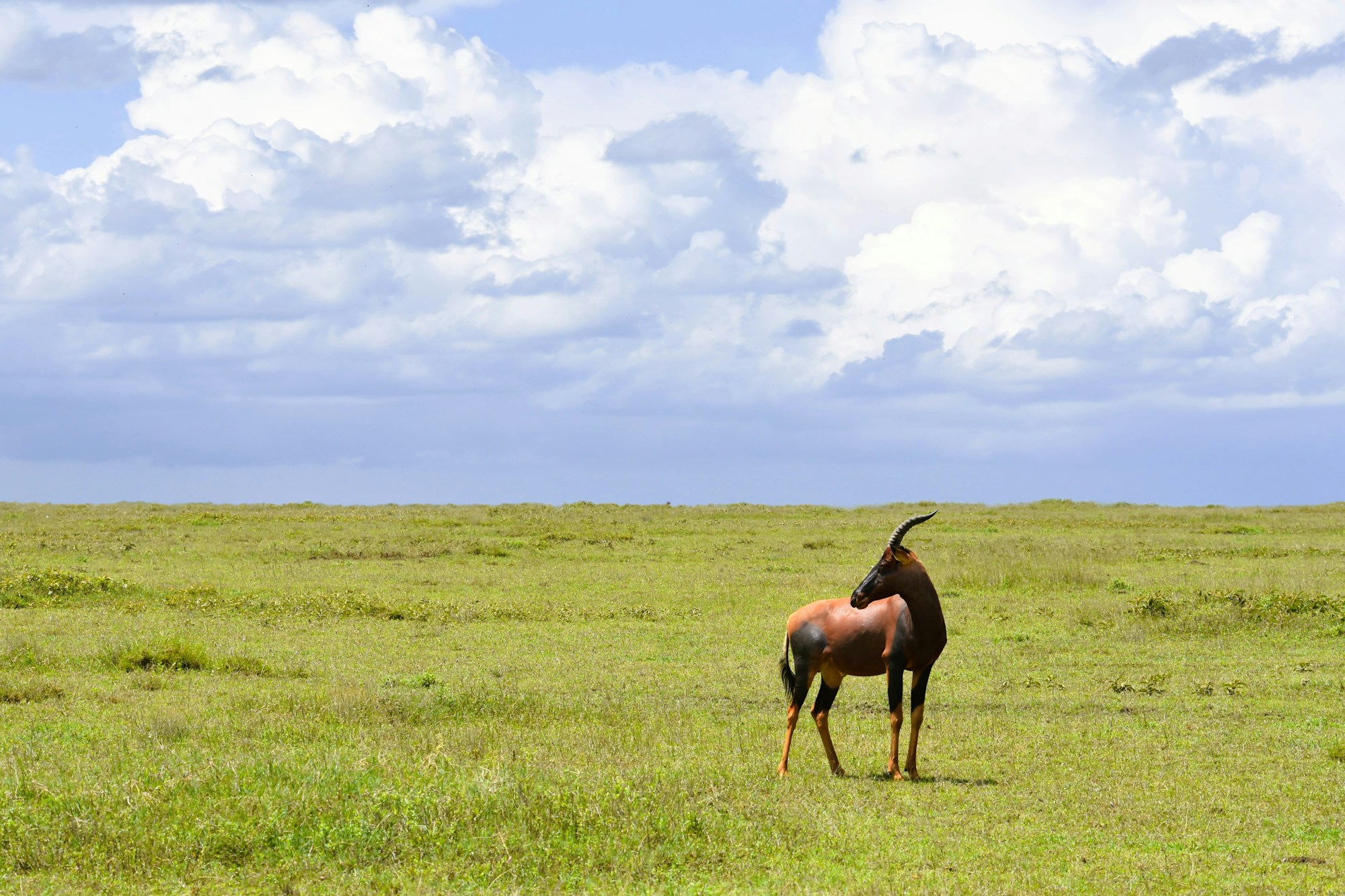
If the Serengeti is the stage, the Great Migration is the play that never ends. It is the largest overland migration of mammals on Earth, involving roughly 1.5 million wildebeest, 250,000 zebras, and hundreds of thousands of Thompson’s gazelles.
What is the Great Migration?
Contrary to popular belief, the migration is not a single event that happens once a year. It is a perpetual, clockwise loop driven by the search for water and green grass. The animals aren't following a map; they are following the scent of rain and the mineral content of the soil. It is a journey fraught with peril, where birth and death happen in the same square mile, ensuring the survival of the fittest and the health of the entire ecosystem.
A Month-by-Month Movement Guide
- January – March: The herds are in the Southern Serengeti and Ngorongoro Conservation Area, near the world-famous volcanic caldera. This is calving season. In a three-week window, roughly 500,000 wildebeest calves are born. Predators are everywhere, and the action is intense.
- April – May: The "long rains" begin. The herds start moving North and West. The grass is lush, but the black cotton soil makes some roads impassable. This is the "Green Season," perfect for those who want solitude and lower prices.
- June – July: The herds move through the Western Corridor. This is where they face their first major obstacle: the Grumeti River.
- August – October: The herds reach the Northern Serengeti. This is peak "river crossing" season at the Mara River. Once the grass is depleted, they loop into Kenya's Masai Mara national reserve before heading south again.
- November – December: The "short rains" trigger a move back to the Southern Plains, completing the cycle.
The River Crossings: Timing and Expectations
The river crossing is the "Holy Grail" of safari sightings. Watching thousands of wildebeest plunge into crocodile-infested waters is a visceral experience. However, it requires extreme patience. You might sit by a riverbank for a full day safari watching a "nervous" herd approach the water and retreat. It only takes one brave (or foolish) individual to jump, and the rest follow in a chaotic frenzy. If you want to see this, book at least 4-5 nights in the North to increase your odds.
Biodiversity Beyond the Icons
If you look past the thundering hooves, you’ll discover that the Serengeti is an intricate puzzle of life where every piece, no matter how small, plays a vital role.

The Predators: Cheetahs, Hyenas, and Wild Dogs
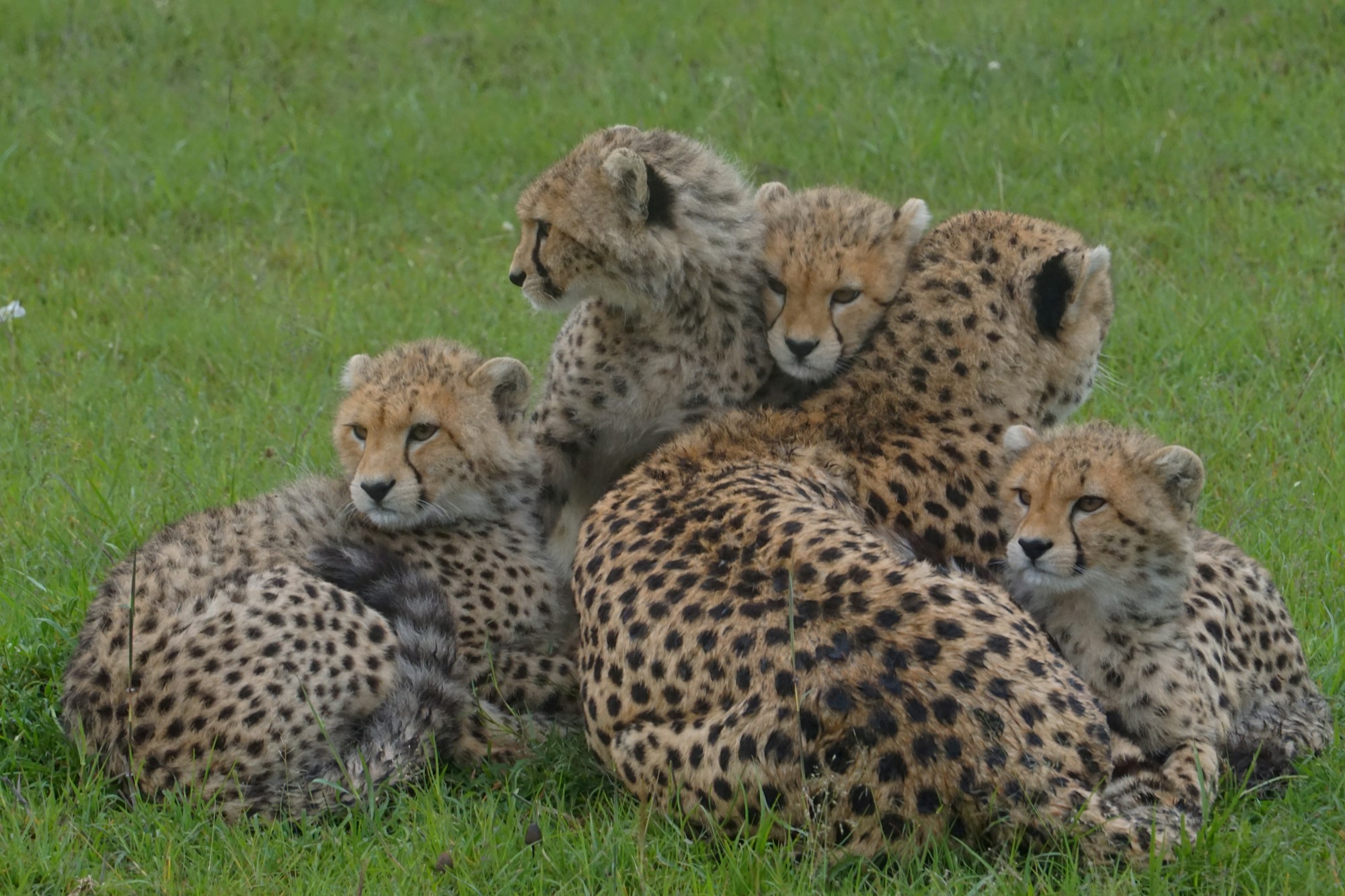
While the lion is king, the Serengeti’s other predators are equally fascinating. The Cheetah finds its sanctuary here; the flat plains are the perfect "racetrack" for the world’s fastest land animal. Seeing a cheetah scan the horizon from the top of a termite mound is a masterclass in poise.
Don't overlook the Spotted Hyena. Often maligned by films, they are actually highly intelligent, social animals with a matriarchal structure that would put most human corporations to shame. And if you are incredibly lucky, you might spot the African Wild Dog. Once nearly extinct in the park, these "painted wolves" are making a comeback in the eastern reaches, hunting with a surgical precision that is mesmerizing to witness.
The "Little Five" and Birdwatching Wonders
To truly appreciate the ecosystem, ask your guide to find the "Little Five": the Ant Lion, the Leopard Tortoise, the Elephant Shrew, the Rhino Beetle, and the Buffalo Weaver. Finding these requires a slower pace and a sharper eye, turning your safari into a high-stakes scavenger hunt.
For birders, the Serengeti is paradise. With over 500 recorded bird species, you can see everything from the massive Kori Bustard (the heaviest flying bird) to the Secretary Bird, which hunts snakes with a kick that can crack a skull. Even if you aren't a "birder," the iridescent feathers of a Superb Starling will stop you in your tracks.
Night Safaris and Nocturnal Life
While most of the park closes its gates at sunset, certain private concessions on the park's borders allow for night drives. This is a different world entirely. Under the glow of a red-filtered spotlight, you might see the glowing eyes of a bushbaby, the elusive aardvark, or a serval cat pouncing through the tall grass. The African night has a soundtrack all its own, the "whoop" of a hyena and the distant, floor-vibrating roar of a lion.
Planning Your Adventure: When to Go
There is no "bad" time to visit the Serengeti, but there are "different" times. Your experience will be dictated by the weather and the movement of the animals.
The Dry Season (June to October)
This is widely considered the best time for general wildlife and game viewing. As the land dries out, animals congregate around the remaining water holes, making them easier to find. The grass is short, so visibility is excellent. The downside? This is peak season. The Seronera area can feel crowded with vehicles, and prices are at their highest.
The Wet Season (November to May)
If you value solitude and vibrant colors, the wet season is a hidden gem. The dust is washed away, the air is crystal clear (perfect for photography), and the landscape is a neon green. Migratory birds arrive in their thousands. While you may get an afternoon downpour, it rarely rains all day. Plus, many luxury lodges offer significant "low season" discounts.
The Calving Season (January to February)
This is a sub-section of the wet season and arguably the most exciting time for predator-prey interactions. The Southern Plains become a nursery. It is a time of abundance, but also high drama as lions and cheetahs take advantage of the vulnerable newborns.
Explore Tanzania Safaris
Logistics: How to Get There and Get Around
The Serengeti is remote, but surprisingly accessible if you plan your hubs correctly.
International and Domestic Flight Hubs
Most international travelers fly into Kilimanjaro International Airport (JRO). From there, you usually spend a night in the nearby town of Arusha. To get into the park, you have two choices: a long drive or a short flight.
Tanzania has an excellent network of "bush planes." Small 12-to-20-seater aircraft fly daily from Arusha to various dirt airstrips within the Serengeti (like Seronera, Kogatende, or Ndutu). These flights, much like a hot air balloon safari, are an experience in themselves, offering a bird’s-eye view of the Great Rift Valley.
Fly-in Safaris vs. Drive-in Safaris
- Fly-in Safaris: You fly directly to your lodge's nearest airstrip, where a lodge-based guide picks you up in an open-sided safari vehicle. This saves time and is much more comfortable, but it is more expensive.
- Drive-in Safaris: You hire a private driver-guide and vehicle in Arusha and drive the "Northern Circuit" (usually including Tarangire National Park, Lake Manyara, and the Ngorongoro Crater en route). This is more cost-effective for groups and allows you to see the changing landscape of Tanzania, but the roads can be bumpy and the drives long.
Choosing Your Sanctuary: Lodges, Tented Camps, and Mobile Camps
Where you sleep is as much a part of the adventure as the game drives. In the Serengeti, "camping" doesn't necessarily mean roughing it.
Luxury Permanent Lodges
These are the height of safari elegance. Built from stone and wood, they offer air conditioning, infinity pools overlooking the plains, and world-class dining. Places like the Four Seasons Safari Lodge or the various Singita properties provide a cocoon of luxury in the heart of the wild. These are ideal for honeymooners or those who want a "soft" introduction to the bush for the first time.
The Authentic Experience: Seasonal Mobile Camps
This is my personal recommendation for the true Serengeti experience. Mobile camps are "tented," but they feature en-suite bathrooms, hot bucket showers, and comfortable beds. These camps move twice a year to follow the Great Migration. Staying here puts you in the center of the action. There are no fences; you might hear a buffalo grazing outside your tent at night. It is safe, exhilarating, and deeply immersive.

How to Book Your Serengeti Safari
Booking a safari can feel overwhelming. The key is to work backward from your priorities.
Step 1: Identifying Your Travel Style and Budget
Are you a "sundowner with a gin and tonic" traveler or a "dawn-patrol photographer" traveler? Be honest about your comfort level. Safaris range from 800 USD per person per day (budget) to over 2,000 USD per person per day (ultra-luxury). Deciding on your "ceiling" early will help your travel agent narrow down the hundreds of lodge options.
Step 2: Choosing Between a Private Tour or Group Safari
- Private Tour: On a private safari, you have your own vehicle and guide. You decide when to leave, when to stop for a coffee break, and how long to watch that pride of lions. It is more expensive but offers a vastly superior experience.
- Group Safari: Unlike personalized safari tours, you join a scheduled tour with strangers. It’s cheaper, but you are at the mercy of the group’s interests. If someone wants to head back for lunch just as a leopard is about to hunt, you have to follow.
For travelers looking for a more social and cost-effective option without sacrificing quality, small group safaris offer an excellent middle ground. These departures typically cap at just 6–7 guests, creating a more intimate experience while keeping costs lower than private safaris. They’re especially popular with solo travelers or couples who want to share the journey without committing to a fully private vehicle. We offer curated small group departures in both Kenya and Tanzania, designed to balance flexibility, comfort, and value.
Step 3: Timing Your Booking for Peak Season
If you want to visit during the Great Migration (July–September) or the Christmas holidays, you should book 8 to 12 months in advance. The best-located camps are small (often only 8–10 tents) and they fill up quickly. If you are planning a last-minute trip, look at the "shoulder seasons" (June or October) for better availability.
Want help bringing all of this together into the right safari for you? From choosing the right camps and travel style to timing your trip perfectly, there are a lot of moving pieces, and that’s where we come in.
Global Basecamps works closely with you to design a seamless, personalized safari that reflects exactly how you want to travel. Start Planning Your Custom Safari!
The Serengeti Checklist: Essential Packing and Preparation
Packing for a safari is an exercise in restraint. Small bush planes have strict weight limits (usually 15kg/33lbs in soft-sided bags).
Health and Vaccinations
Consult a travel clinic at least two months before you leave. Yellow Fever vaccination is required if you are traveling from a country where it is endemic (including layovers in certain African countries). Malaria prophylaxis is highly recommended. Don’t forget a high-quality DEET-based insect repellent for the "tsetse fly" areas in the central park.
What to Wear: The Layers Philosophy
The Serengeti has a massive temperature swing. It can be 40°F (5°C) on an early morning 6:00 AM game drive and 85°F (30°C) by noon.
- Layers: Think t-shirts, light sweaters, and a windbreaker.
- Colors: Stick to neutrals, khaki, olive, and tan. Avoid bright white (it gets dirty instantly), black or dark blue (these attract tsetse flies), and camouflage patterns (which are reserved for the military in many African countries).
Gear for the Modern Explorer
- Binoculars: Do not rely on your guide’s pair. Having your own 8x42 binoculars changes everything.
- Camera: A DSLR or mirrorless camera with at least a 300mm lens is ideal. However, modern smartphones are great for wide-angle landscape shots.
- Power Bank: Even luxury lodges can have fluctuating power. A portable charger is a lifesaver.
Respecting the Wild: Ethical Safari Practices
We are guests in the Serengeti. Our presence should be as silent and respectful as possible.
Wildlife Viewing Etiquette
A good guide will never drive "off-road" in restricted areas, as this crushes the delicate root systems of the grasslands and can destroy cheetah dens. Never encourage your driver to get closer to an animal if it looks distressed (ears pinned back, frequent looking at the vehicle). Silence is your best tool, the quieter you are, the more likely the animals are to go about their natural behavior.
Supporting Local Communities and Conservation
The survival of the Serengeti depends on the people living on its borders. Choose operators that employ local Tanzanian guides and staff. Many lodges support local schools or anti-poaching units. When buying souvenirs, perhaps during a visit to a Maasai village, look for authentic Maasai beadwork or local carvings rather than mass-produced items. Your tourism dollars are the primary defense against poaching and habitat loss.
Your Journey Starts Here
The Serengeti is more than a destination; it is a homecoming to a world we once knew, a vast savannah that feels like the cradle of life. It is a place that strips away the noise of modern life and replaces it with the rhythm of the rains and the shadows of the clouds.
When you finally sit by a campfire, listening to the crackle of thorns and the distant call of a scops owl, you’ll realize that you didn’t just come here to see the animals. You came here to remember what it feels like to be part of the wild. The endless plains are calling. It’s time to answer. Start Planning Your Journey
Start Planning Your Journey