

21 Unforgettable Things to Do in Norway
Norway is more than a place you visit - it’s a destination you experience with all of your senses. It’s the mist from a waterfall drifting through the fjords, the stillness of an early Arctic morning, and the glow of the Northern Lights stretching across the night sky.
Whether you’re drawn to scenic rail journeys, outdoor adventure, charming Scandinavian towns, or quiet moments in nature, Norway offers a travel experience that feels both dramatic and deeply peaceful. Here, the landscapes set the pace, inviting you to slow down and fully take in the beauty around you.
Norway: The Land of the Midnight Sun and Emerald Fjords
To understand Norway, you must understand its geography. This is a country carved by ice over millions of years, resulting in a coastline so jagged that if you stretched it out, it would circle the globe two and a half times. But beyond the statistics, Norway represents a philosophy. The Norwegians call it friluftsliv - the "open-air life." It is the innate belief that being outdoors is essential to the human soul. When you travel here, you aren't just sightseeing; you are participating in a way of life that prizes the wild over the paved.
Why Norway belongs at the top of your bucket list
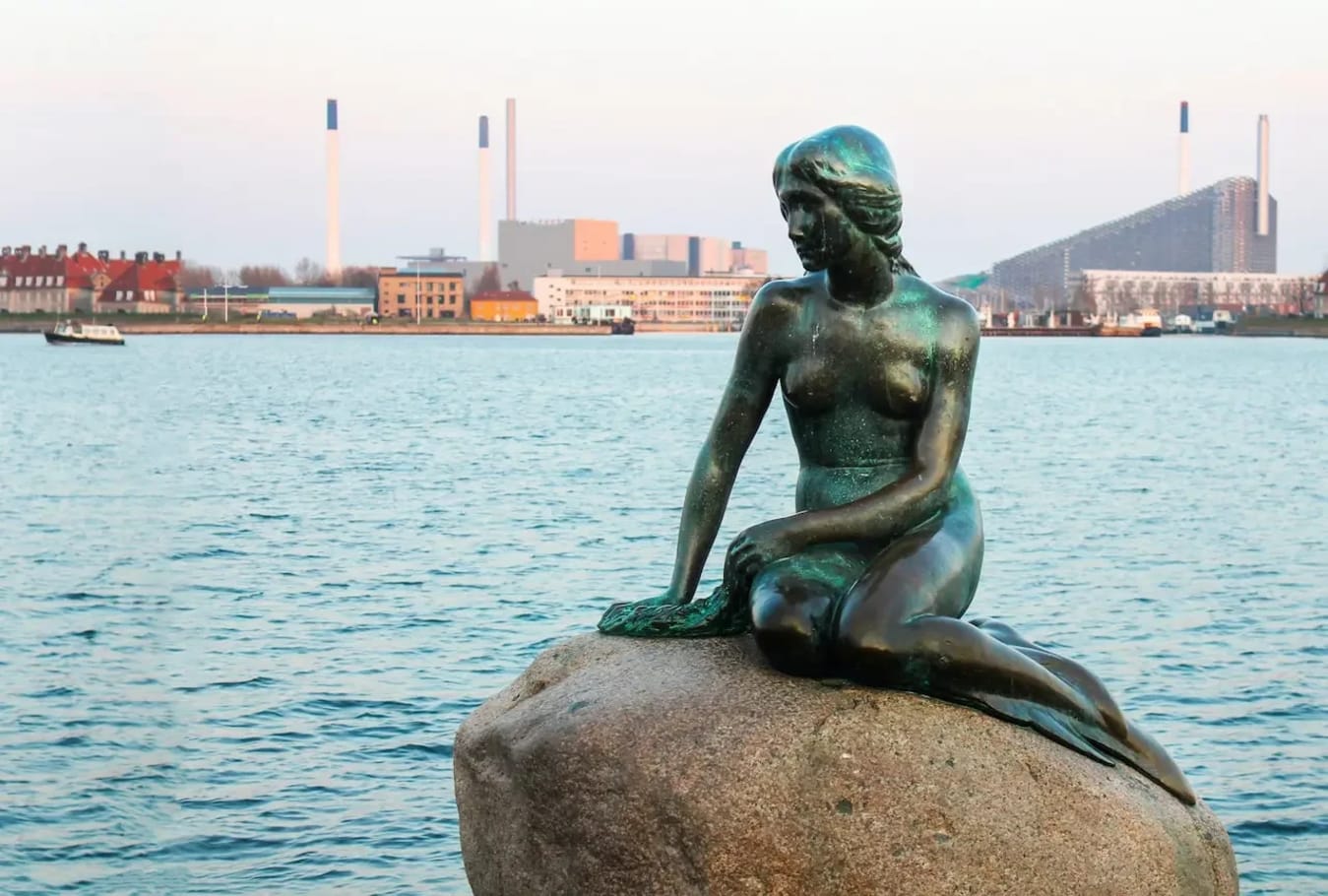
In a world that feels increasingly crowded and loud, Norway offers space. It offers air so clean it tastes like a different element and water you can drink straight from mountain streams. It is one of the few places on Earth, along with parts of Finland and Sweden, where you can experience the "Midnight Sun" - weeks where the sun never sets, creating a surreal, golden perpetual afternoon - and the Polar Night, where the stars and the Aurora Borealis become your only light, offering a wilder contrast to cities like Copenhagen. It is safe, impeccably organized, and home to some of the most dramatic landscapes found in Northern Europe or on any continent.
Ready to experience Norway for yourself? Global Basecamps can help you design a fully custom Norway itinerary tailored to your interests, travel style, and ideal season of travel. Start planning today!
The Best Time to Visit: Matching your itinerary to the seasons
Choosing when to visit Norway is less about the "best" time and more about which version of Norway you want to meet.
The Golden Summer (June to August): This is the season of the Midnight Sun. The hiking trails are open, the fjords are shimmering emerald green, and the coastal towns are buzzing with life. If you want to hike Trolltunga or drive the Atlantic Road without worrying about snow closures, this is your window.
The Shoulder Seasons (May and September): May is spectacular because the orchards are in bloom, and the waterfalls are at their most powerful due to snowmelt. September brings "fire season" to the mountains - the shrubs turn deep oranges and reds, and the first dusting of snow hits the peaks.
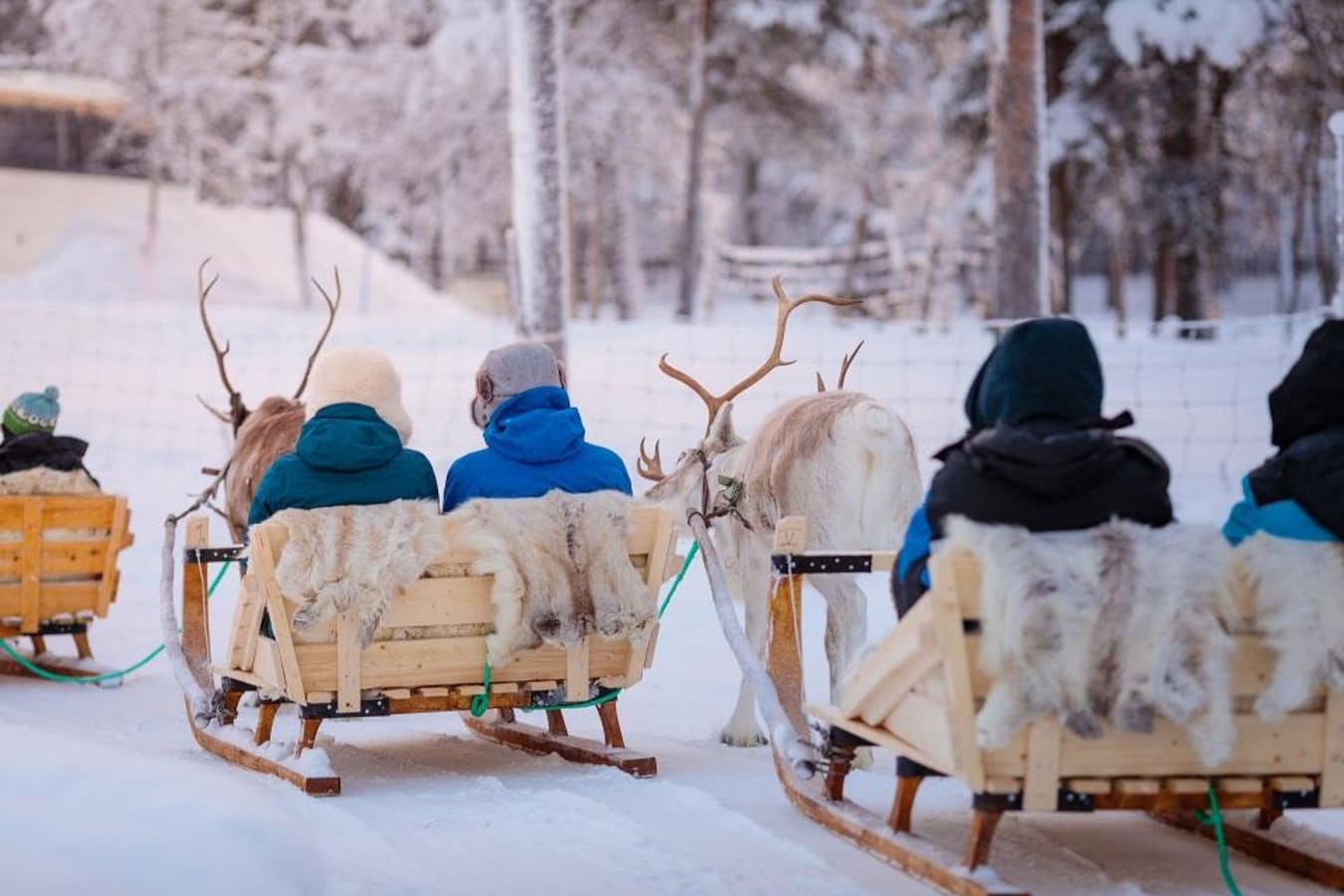
The Blue Winter (November to March): This is the realm of the Northern Lights. The landscape becomes a minimalist masterpiece of white and blue. While it is cold, this is the time for dog sledding, skiing, and cozying up by a fire with a cup of gløgg.
Unforgettable Experiences in Northern Norway
Northern Norway is where the wild things are, stretching from the urban hub of Bodø to the far reaches of the Arctic. Once you cross the Arctic Circle, the light changes, the trees thin out, and the mountains seem to rise directly from the sea like the teeth of a giant.
1. Chasing the Northern Lights in Tromsø
Tromsø is often called the "Paris of the North," but its real claim to fame is its position directly under the Auroral Oval. While the lights are a natural phenomenon and never guaranteed, Tromsø offers the highest statistical probability of seeing them. Imagine standing on a frozen lake at 1:00 AM, the temperature biting at your cheeks, when suddenly a faint ribbon of white smoke begins to swirl above. Within minutes, it erupts into a curtain of green and violet, shimmering across the sky. It is a humbling, silent firework show that makes the cold entirely worth it.
2. Exploring the dramatic peaks of the Lofoten Islands
If you’ve seen a photo of Norway that made you gasp, it was likely of Lofoten. This archipelago is famous for its jagged granite peaks, white-sand beaches that rival those in Iceland (yes, in the Arctic!), and bright red fishing huts called rorbuer. Stay in the village of Reine, where the mountains surround the harbor like a fortress. In the summer, you can hike the Reinebringen trail for a view that looks like a matte painting from a fantasy film. In the winter, the islands are draped in a moody, ethereal light that photographers travel across the planet to capture.
3. Standing at the edge of the world at North Cape (Nordkapp)
There is a specific thrill in knowing there is nothing but the Barents Sea and the North Pole between you and the horizon. Nordkapp is the northernmost point of mainland Europe reachable by car. Standing on the 307-meter-high cliffside at the North Cape plateau, you feel the raw power of the Arctic wind. It’s a pilgrimage of sorts - a place to reflect on the sheer scale of the planet.
4. King Crab fishing in Kirkenes
Near the Russian border lies Kirkenes, the gateway to the Barents Sea. Here, you can head out on a RIB boat or a snowmobile-pulled sled to harvest Red King Crabs. These "monsters of the deep" can have a leg span of nearly two meters. After the catch, you’ll head to a rustic cabin where the legs are steamed in seawater and served with nothing but bread and lemon. It is, quite simply, the best seafood experience you will ever have - fresh, sweet, and earned through adventure.
5. Dog sledding through the Arctic wilderness
There is no sound quite like the rhythmic panting of an enthusiastic team of Alaskan Huskies and the soft hiss of sled runners on fresh snow. Dog sledding is not just a tourist activity; it’s a deep-rooted part of Arctic culture. As you drive your own team through the silent, snow-covered valleys of Finnmark, you’ll realize these dogs aren't just pets - they are elite athletes who live for the run. The bond you form with your team over just a few hours is surprisingly profound.

Must-See Fjord Adventures and Hiking
The Norwegian fjords are the soul of Western Norway and the rugged west coast. These deep, narrow inlets of seawater were carved by retreating glaciers, leaving behind vertical walls of rock and some of the most iconic hiking terrain on Earth.
6. Navigating the UNESCO-listed Geirangerfjord
Geirangerfjord is the poster child for Norwegian nature. As you cruise deep into the fjord, perhaps aboard a historic Hurtigruten vessel, you’ll pass the "Seven Sisters" and the "Suitor" - waterfalls that face each other across the water, forever locked in a misty dance. To get the best perspective, drive up to the Ørnesvingen (Eagle Road) lookout. The sight of a massive cruise ship looking like a tiny toy boat in the deep blue water below puts the gargantuan scale of the landscape into perspective.
7. Taking the iconic "leap" at Trolltunga
Trolltunga, or "The Troll’s Tongue," is not for the faint of heart. It is a grueling 20-28 kilometer round-trip hike (depending on where you start) that ascends high into the mountains. The reward is a thin sliver of rock that juts out horizontally over the Ringedalsvatnet lake, 700 meters below. Standing on the edge feels like flying. It’s a test of endurance, but the sense of accomplishment when you reach that stone platform is unmatched.
8. Climbing the steep stairs to Preikestolen (Pulpit Rock)
If Trolltunga is the marathon, Preikestolen - located just outside of Stavanger and the coastal city of Kristiansand in Southern Norway - is the sprint, though it still requires a solid effort. This massive flat-topped cliff towers 604 meters above the Lysefjord. The hike is well-managed and features impressive stonework by Sherpas from Nepal. When you reach the top, there are no guardrails; you are free to sit on the edge (carefully!) and dangle your legs over the abyss. The view down the length of the Lysefjord is a masterclass in perspective.
9. Exploring the turquoise waters of Hjørundfjord
While Geiranger gets the crowds, Hjørundfjord offers a more intimate, "secret" experience. Surrounded by the Sunnmøre Alps, this fjord is characterized by sharp, alpine peaks that rise straight from the water. It is a playground for backcountry skiers in the winter and hikers in the summer. A stop at the tiny village of Øye and its historic Hotel Union feels like stepping back into the 19th century, a time of explorers and mountaineers.
10. Kayaking through the serene Nærøyfjord
To truly appreciate the height of the fjord walls, you need to be at water level. Nærøyfjord is the narrowest branch of the Sognefjord, at one point only 250 meters wide. In a kayak, the world becomes silent. You can hear the trickle of distant waterfalls and the occasional splash of a porpoise. It is a slow-travel experience that allows you to notice the moss clinging to the rocks and the clarity of the water beneath your hull.

Want to experience Norway’s fjords for yourself? Our Norway Discovery journey, inspired by the classic Norway in a Nutshell route, combines scenic rail routes, breathtaking fjord landscapes, and charming Nordic cities into one seamless itinerary through some of Norway’s most iconic regions. Explore Oslo, Flåm & Bergen
Explore Norway ToursCultural Gems and City Life
Norway’s cities are a reflection of its people: understated, functional, and deeply connected to the environment. They offer a sophisticated contrast to the wilderness of the countryside.
11. Wandering the colorful wharf of Bryggen in Bergen
Bergen is the gateway to the fjords, but it is also a city of deep history. Bryggen, the old Hanseatic wharf, is a UNESCO World Heritage site featuring leaning wooden buildings that have stood for centuries. Walking through the narrow, dark alleyways between these structures, you can almost smell the dried stockfish and grain that once made this a global trading hub.
12. Visiting the futuristic Oslo Opera House
In Oslo, the architecture and the sprawling Vigeland sculpture park tell a story of a nation looking forward. The Opera House, designed by Snøhetta, is built to resemble a glacier sliding into the Oslofjord. The genius of its design is that you are encouraged to walk on the roof. It’s a public space where you can take in views of the city and the sea, symbolizing the Norwegian value of accessibility.
13. Discovering Viking history at the Museum of the Viking Age
(Note: The museum is currently undergoing a massive renovation for 2026). Norway’s Viking heritage is more than just myth; it’s a story of incredible seafaring engineering. The Oseberg and Gokstad ships, found in burial mounds, are remarkably preserved. Seeing the intricate wood carvings and the sheer size of these vessels explains how this small northern population, with ties stretching to Denmark, managed to reach the shores of North America and the Mediterranean over a thousand years ago.
14. Exploring the majestic Nidaros Cathedral in Trondheim
Trondheim was Norway’s first capital, and Nidaros Cathedral is its crowning jewel. Built over the burial site of St. Olav, the patron saint of Norway, it is the world’s northernmost medieval cathedral. The ornate west front, covered in sculptures of kings and saints, is a rare example of Gothic architecture in Scandinavia and serves as the destination for the St. Olav’s Way pilgrimage.
15. Experiencing the Art Nouveau architecture of Ålesund
After a devastating fire in 1904, the city of Ålesund was rebuilt entirely in the Jugendstil (Art Nouveau) style. The result is one of the most beautiful towns in Europe, characterized by turrets, spires, and intricate stone carvings of flowers and Norse motifs. For the best view, walk the 418 steps up to the Aksla viewpoint; the sight of the pastel city spread across several islands is breathtaking.

Scenic Routes and Epic Rail Journeys
In Norway, the journey is never just a way to get from A to B. The infrastructure here is a feat of engineering that turns travel into an art form.
16. Riding the Flåm Railway: The world’s most beautiful train journey
This 20-kilometer train ride descends from the high mountain station of Myrdal down to the village of Flåm at sea level. It is one of the steepest standard-gauge railways in the world. As the train spirals through tunnels and past the thundering Kjosfossen waterfall, you’ll see mountain farms clinging to impossibly steep slopes. It is a concentrated dose of Norwegian scenery in under an hour.
17. Driving the hairpin turns of Trollstigen (The Troll's Path)
Trollstigen is a testament to human willpower. This road zigzags up a steep mountainside with 11 hair-raising hairpin bends. As you drive (or take the bus), you’ll pass the Stigfossen waterfall, which sprays the road with mist. At the top, a modern visitor center offers walkways that hover over the valley, giving you a dizzying view of the road you just conquered.
18. Crossing the Atlantic Ocean Road
Often cited as the most beautiful drive in the world, the Atlantic Ocean Road skips across a series of small islands connected by eight bridges. The most famous, the Storseisundet Bridge, looks like a "bridge to nowhere" from certain angles. On a calm day, it’s a serene coastal drive; during a storm, it’s a dramatic encounter with the Atlantic, as waves crash against the pavement.
19. Taking the Bergensbanen from Oslo to Bergen
Forget the short flight; take the train. The 7-hour journey between Norway’s two largest cities crosses the Hardangervidda, Europe’s highest mountain plateau. Even in mid-summer, you’ll see snow-covered plains and icy lakes. It is a comfortable, cinematic experience that shows you the changing face of the Norwegian landscape from the window of your carriage.
Unique Wildlife and Hidden Wonders
While the landscapes are the stars, Norway’s residents - both the indigenous Sami people and the local wildlife, from majestic reindeer to arctic foxes - are equally fascinating.
20. Spotting Polar Bears in Svalbard
If you want to go even further north, fly to Longyearbyen in the Svalbard archipelago. This is the realm of the Polar Bear, where the animals outnumber the people. Exploring this high-Arctic wilderness by boat or snowmobile is a lesson in fragility and resilience. It is one of the few places on Earth where you can see these majestic predators in their natural, frozen habitat.
21. Seeing Musk Oxen in Dovrefjell-Sunndalsfjella National Park
Dovrefjell is the only place in Norway, and one of the few in the world, where you can see the prehistoric-looking Musk Ox. These shaggy, hulking creatures are remnants of the last Ice Age. Joining a guided safari is the best way to spot them safely, as they may look slow but can charge with surprising speed. Standing on the tundra with a Musk Ox in your binoculars feels like stepping back 10,000 years.
Essential Travel Tips for Your Norwegian Journey
Before you pack your wool layers, there are a few things you need to know to navigate Norway like a pro.
The "Allemannsretten": Understanding the Right to Roam
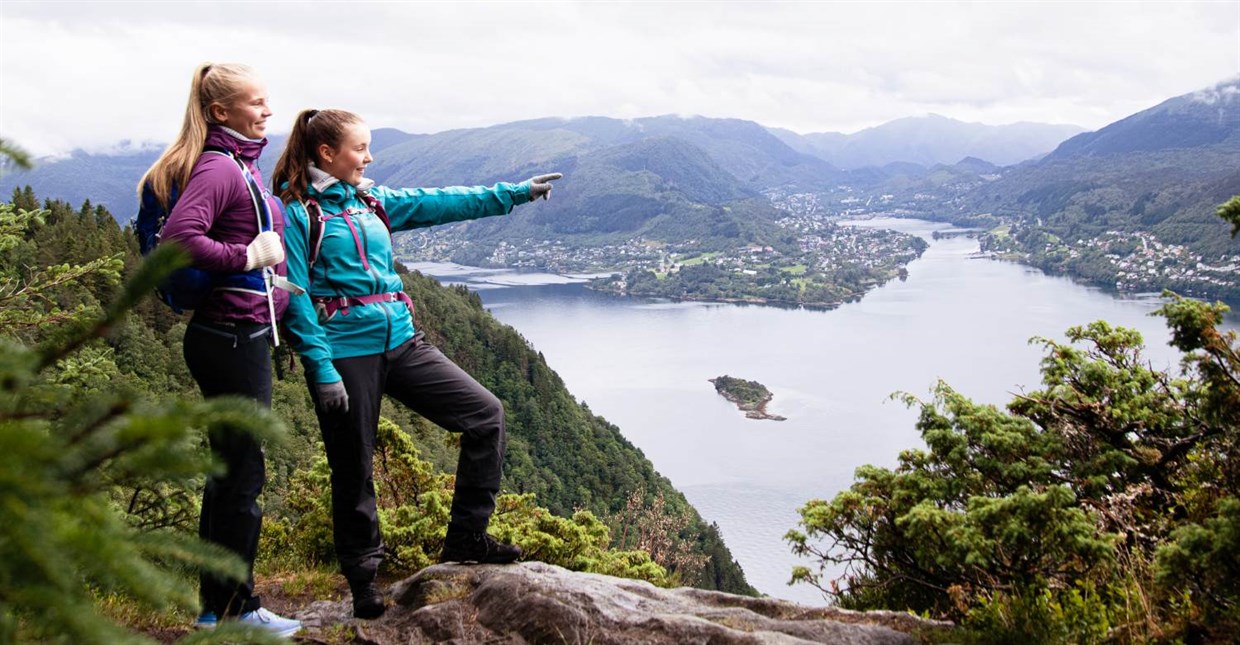
Norway operates on the "Right to Roam" (Allemannsretten). This traditional law allows anyone to hike, cross-country ski, and camp almost anywhere in the countryside, provided you stay at least 150 meters from inhabited houses and leave no trace. It is a beautiful freedom, but it comes with a deep responsibility to protect the environment. Always pack out what you pack in.
Navigating the high cost of living (Budgeting tips)
Yes, Norway is expensive. A beer in a restaurant might cost you $12, and a burger can easily hit $25. To save money, do as the locals do:
- Shop at supermarkets: REMA 1000 and Kiwi are your friends. Grab bread, smoked salmon, and tubes of Kaviar for a classic Norwegian "matpakke" (packed lunch).
- Refill your bottle: The tap water in Norway is among the purest in the world. Never buy bottled water.
- Book ahead: Trains and domestic flights use dynamic pricing; the earlier you book, the cheaper it is.
Getting around: Ferries, planes, and electric cars
Norway has the highest per-capita ownership of electric vehicles in the world. Renting an EV is easy, and charging stations are everywhere - even in remote fjord villages. If you are driving, be prepared for ferries. They are a seamless part of the road network; you simply drive on, have a coffee and a svele (pancake), and drive off on the other side. For long distances, the regional airline Widerøe operates "milk run" flights between tiny Arctic airports, offering some of the best low-altitude views in the country.
Ready to Start Your Adventure?
Norway is a destination that rewards the curious and the prepared. It is a place where you can find solitude in the mountains and community in the coastal villages. Whether you are there to see the lights dance or the fjords glow, one thing is certain: you will return home with a different perspective on what it means to be wild. The Land of the Midnight Sun is waiting - all you have to do is take the first step.
Ready to turn your Norway dream into reality? At Global Basecamps, we specialize in creating fully custom Norway itineraries designed around your travel style, interests, and the experiences you want most. Start Planning Your Norway Trip
Plan My Norway Adventure