Overview
What better way to discover the wonders of Sri Lanka, than exploring the great outdoors, traversing the landscapes, encountering exotic wildlife, and immersing yourselves in the local culture? From safaris to cultural exploration, bicycling, and hiking, you will have the chance to experience the ideal blend of activities. So pack your bags, get your camera ready... and get ready for an adventure of a lifetime!
Quick Summary
Day 1
Colombo Arrival - Dunagaha
Welcome to Sri Lanka! Upon arrival in Colombo, clear immigration and customs before proceeding to the arrivals lobby area. You will be met by your private chauffeur guide and transferred to your hotel in Dunagaha, just 45 minutes away.
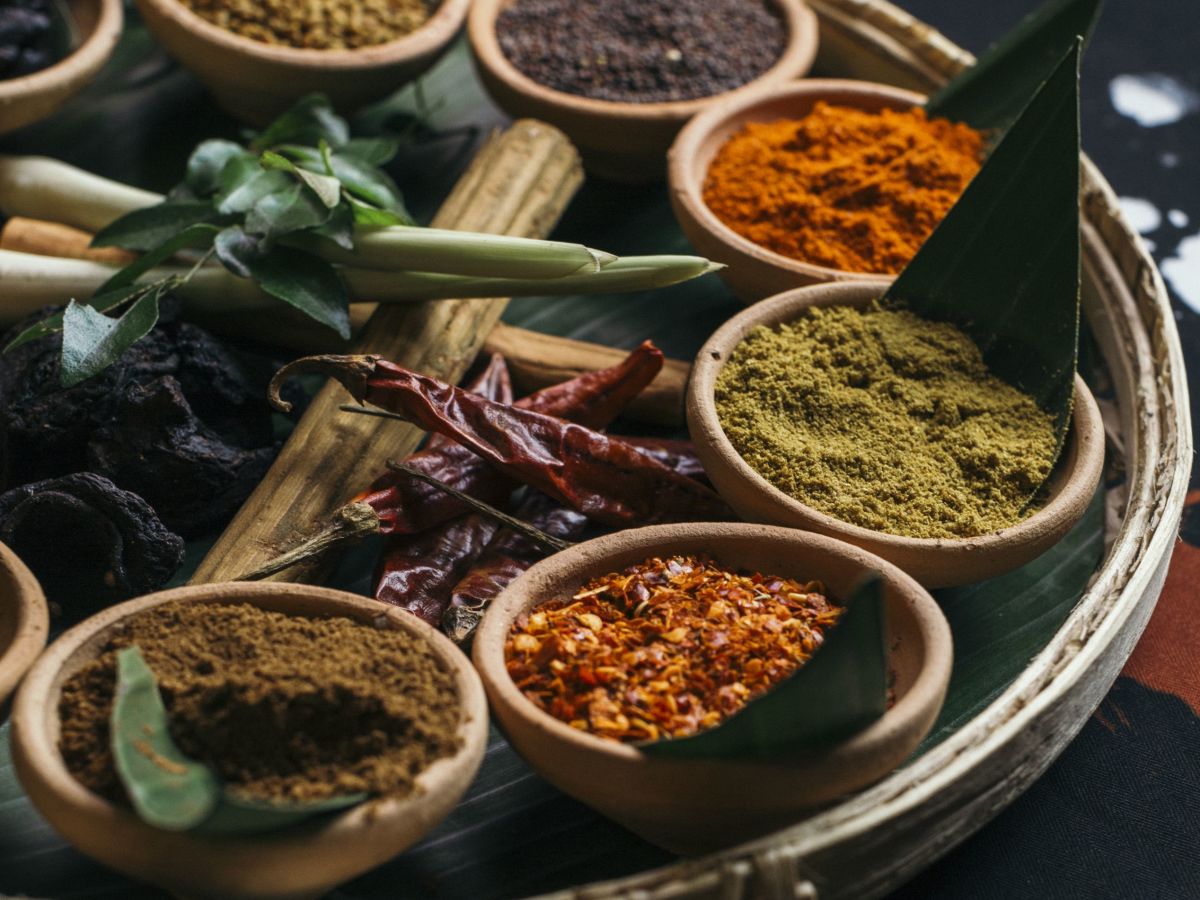
This afternoon, walk around the lush gardens and discover all of the different types of spices around the estate. One of the local hosts from your lodge can happily join in and teach you about the various spices.
Daily Summary

Day 2
Dunagaha - Wilpattu
Village Life in Dunagaha
After breakfast, you'll be met by your local guide Shelton to begin your day of exploration! The best way to discover a country is through its people! Although English is spoken in Sri Lanka, communication can prove to be difficult at times, but a smile always goes a long way. Your visit contributes to the local economy by providing job opportunities to local guides in this rural area. Start the day by taking a tuk-tuk to explore the small villages around Dunagaha. Visit a pineapple farm, a small brick factory, and meet with a local family who specializes in textiles using wooden looms. There is plenty to be seen and enjoyed in the rural back roads. End the journey with a simple rice & curry lunch at a local house in the village. (This service is on a private basis.)
Meet The Manjas: Music of the Ceylon Africans
Along the way, you'll stop in a small village tucked away in Puttalam which is home to a community of Ceylon Africans. Also known as Sri Lankan Kaffirs, they are descendants from the Portuguese traders who frequented the country in the 16th century and the Bantu people, an ethnic group hailing from sub-Saharan Africa who was brought to the country as slaves.
It is not surprising if you haven’t heard of this community before, as many Sri Lankans themselves are unaware of the Kaffirs themselves. During the colonial era, Sri Lanka was under Portuguese colonial control and many Africans slaves were brought to Sri Lanka as laborers or soldiers to fight the Sri Lankan rebels and protect the Portuguese. Whilst most of the Bantu people left with their masters, a few of them remained in the country and the Sri Lankan ‘Kaffirs’ are those descendants.
Their distinctive “Creole” native language has unfortunately faded away and is now virtually extinct. Their language was based on Portuguese and referred to as ‘Sri Lankan Kaffir’ which differs from Sri Lankan Portuguese Creole. In an attempt to keep their traditions alive, Peter Luvie, a fifth-generation descendant brought together some village members and together they formed a band which they named “Ceylon African Manja”. Their songs and dances have now become the only form of passing on the language to the next generation.
Their songs usually start solemnly with an almost pensive character but gradually the tempo picks up the pace and before you know it, you are enveloped in an upbeat cascade of rhythm and percussion. The music has distinctive elements of Baila or Kaffringna which are the more popular forms of African influenced folk music. The music itself is a sight to behold and you will see the band members playing on local Dolki drums as well as many makeshift instruments such as coconut shells, tablespoons, and empty bottles.
They say Music is the universal language – it becomes even more beautiful when it forms a bridge between people and a means of preserving an entire culture. We ensure that these hidden gems are kept under the radar and are not commercialized, and visits like this contribute to exactly that. (This service is on a private basis.)
After the tour, head towards Wilpattu for a couple of nights in the wilderness.(This service is on a private basis.)
Wilpattu
Wilpattu sanctuary was declared as a National Park in 1938. Wilpattu National Park is located on the west coast close to the historical city of Anuradhapura. The dry zone jungle is thickly grown. Wilpattu National Park is home to many villi or natural lakes that dot the landscape in the Wilpattu National Park. These lakes contain rainwater, thus are essential for resident and migratory water-birds. The history of the park is also of interest with ancient ruins having been discovered in Wilpattu National Park. Queen named “Kuweni” (considered to be the mother of the Sinhala race) is said to have lived in the place known as Kalli Villu. Historical evidence also shows the fact that Prince Saliya, son of King Dutugemunu, lived in Wilpattu over 2,000 years ago.
There are approximately 30 species of mammals in the Wilpattu National Park, which include the Sri Lankan Elephant, Sri Lankan Leopard, Lankan Sloth Bear, Sri, Spotted Deer, Buffalo, Sambar, and Mongoose. Wetland bird species found in the Wilpattu National Park include the Garganey, Pintail, Whistling Teal, Spoonbill, White Ibis, Large White Egret, Cattle Egret, and Purple Heron. Also, many species of Gulls, Terns, Owls, Kites, and Eagles live here. The endemic Sri Lanka Jungle fowl, Little Cormorant, and the Painted Stork can also be seen.
Daily Summary

Day 3
Wilpattu
Wilpattu National Park Safari
Rise early this morning, and head to Wilpattu National Park for a full-day wildlife safari!
Wilpattu National Park is the largest national park in Sri Lanka. Here you'll have the chance to see elephants, lithe leopards, spotted deer, sloth bears, and crocodiles in the wild. The park also bears witness to striking flocks of peacocks, painted storks, jungle fowl, as well as mongoose. Thick foliage is interwoven with shrubbery, streams, and lakes that expand during the monsoons and contract during the dry season - comprise the landscapes of Wilpattu National Park creating an ideal hideout for the varied resident wildlife species.
Given Wilpattu's relatively large size, and the time it takes to reach the inner regions of the park, a full day safari will allow you to get the most out of your visit. Patience is key when exploring Wilpattu, take your time and be surprised by what it offers. The lower volume of visitors in Wilpattu make sightings all the more exclusive, you won’t regret it!
After a lovely day out in nature, you'll return back to the lodge for a well-earned rest.
Daily Summary

Day 4
Wilpattu - Anuradhapura - Jaffna
Journey to Jaffna
After an early breakfast, make your way to the Anuradhapura Railway Station to catch the Queen of Jaffna Express Train to Jaffna. Jaffna, along with the North of Sri Lanka, used to be isolated from the rest of the country for over 30 years! You will be able to get a unique glimpse into this world. This 3 hour train ride takes you across the barren landscape of the Vavuniya - controlled by the Tamil Tigers this area has suffered attacks from both the Sinhalese forces as well as the Tamils leaving thousands of people displaced. Looking out the window at the dry landscape dotted with the occasional village is a somber reminder of the folly of men.
On arrival in Jaffna, lunch will be served in a traditional home. With the help of a local Tamil guide, you will have the opportunity to gain a deeper understanding of the family's everyday lifestyle and cultural values. For the main course “Pittu” (rice flour and coconut scrap) will be served with crab curry, fried prawns, cuttlefish, mashed omelets mixed with dry fish, dhal curry with fish, and plain gravy. This is the real deal, a true Jaffna feast! Depending on seasonality you'll also get to try some delicious mangoes, jack fruit, papaya, or a special local banana called "Nettrampalam".
Next, you'll enjoy a bit of exercise as you explore the city with vintage bicycles! On your ride, you will get to see some of the city highlights including the Jaffna Fort, which was built during the Portuguese reign, and the Jaffna library, which used to be one of the largest in Asia and was tragically destroyed during the civil war. Other highlights include: the Subramanium Children’s Park, the Statue of King Sankili (the last King of the Jaffna Kingdom), coastal villages, the largest church in Jaffna, and Rio ice cream for a refreshing treat. After an action-packed day, head back to the hotel and enjoy a well-deserved rest.
Jaffna
Jaffna, the Northern Province, is located in the northernmost peninsula of Sri Lanka. The Jaffna district is one of the 25 districts organized into the nine provinces, an artificial creation of the Colonial British (1815-1948) for the administration of the Island of Sri Lanka, then called Ceylon. This 4,000-year-old city just currently opened its doors to visitors after a disturbing and civil conflict that lasted for years.
Whether it's art or architecture, history or nature, you are sure to find something new at every corner. Visit one of the area's many religious sites - the famous Nallur kovil, the alluring Manthiri Manai, or the historic Nagadeepa temple. Or take a walk through the first capital of Northern Ceylon. For nature lovers, Jaffna offers some of the most secluded beaches or indigenous birds at the Chunikkulam bird sanctuary.
Daily Summary

Day 5
Jaffna
Nallur Temple, Casuarina Beach & Local Foodie Experience
Start your day with a visit to the Nallur Temple. You will be provided with traditional "shalve"/" Vetti" wear when you enter the temple. Learn about the historical importance of Nallur Temple as well as the basic principles of worshipping at a Hindu temple. If you are keen on learning the way of reaching enlightenment (Moksha) and Hatha Yoga, you can learn during the tour. Delve into Jaffna's culture, similarities, and differences of the South Indian culture. Learn about the scars left by the war, and the effects migration and exile have had in the region.
Later, explore the city of Karainagar. You will have the time to visit places such as the Casuarina beach, Kayts jetty, Sri Bhakta Hanuman temple, Kantharodai Buddhist relics, Nilavarai Deep well, Keerimalai pond, and Naguleswaram temple.
Enjoy lunch at a local village home where you will try dishes such as fried cuttlefish, Jaffna prawn curry, toasted crab, fish masala, mashed brinjal, drumstick curry, fish gravy, and more. The meals will be served on a banana leaf as a traditional Jaffna style lunch.
Take the rest of the afternoon to relax by the quiet and beautiful beach of Casuarina. While on the beach, if the season is right, you might be able to try the Palmyra tree ("Nungu")! You might also get to sample some Palmyrah toddy, an alcoholic drink! (This service is on a private basis.)
Tips and Notes: Jaffna offers more to be explored and you always have the freedom on customizing your tour for today for a full half-day tour spanning 12 hours or whatever option that best suits you. You can arrange this without any hassle by communicating with our local personality who will be conducting these experiences.
Daily Summary

Day 6
Jaffna
Delft Island Excursion
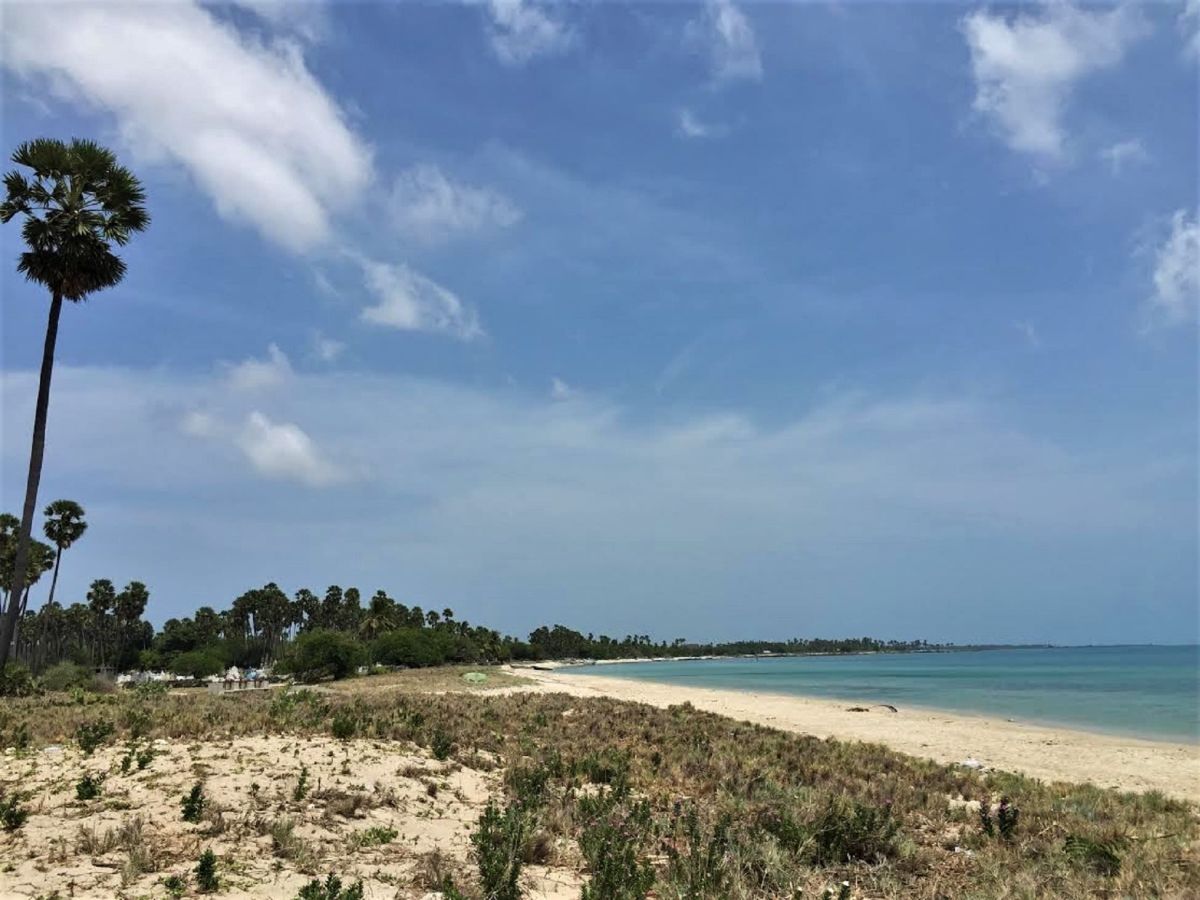
There are only a few places in the world that capture the imagination of travelers like Delft Island. Think a small island lined with small walls made of coral, with no cars, the ruins of a Fort and feral horses left by the Arabs and the Portuguese over 400 years ago. Then there are the beaches...
Today, meet with your driver, who will take you to Kurikadduvan jetty, where you will board a local ferry for the 1-hour boat ride to Delft Island. Along the way, your local guide will explain the lifestyle, wartime history, and Hindu lore of the Jaffna Islands. Upon arrival, a special vehicle will be waiting to take you to see the highlights of the island including the: wild horses, huge baobab tree, Dutch Fort, Pigeon Cage, Coral Fences and more! The atmosphere of Delft is hard to put into words and you have to experience it to believe it, it's as simple as that.
Lunch will be served at a local home on the island. This is as authentic as it gets and the curries prepared will depend on the season.
In the late afternoon, you'll return to the pier where you'll board the return boat to Jaffna. Enjoy the remainder of the evening at your leisure.
Tips and Notes:
We always try to give you the experience on how the locals would do it because it is the best way to acclimatize to your surroundings easily. Best example would be the boat ride to Delft Island. The boats will be very basic and are in place only to ferry people and their effects and hence what we advise is to visit as early as possible because the first priority when boarding the ferry will be for the Delft Island residents. This is all about traveling with the locals, which is amazing and you will get the chance to have a nice chat with them where you can share your experiences. If you have any communication problems when it comes to language while talking with the locals, Mohan is there to help you and just sit enjoy the experience. It is also better to take the seasick pills even though you are a seasoned traveler because prevention is always better. With regards to the traveling inside the Island, please note that the pick-up trucks modified to resemble safari rides are basic and the roads not that paved so be prepared for a bumpy and a dusty ride. At the end of the day it’s all about the experience you get there and visiting Delft is chance which you get once in a blue moon.
Daily Summary
Day 7
Jaffna - Ritigala - Habarana
En Route to Habanara via Ritigala
Today you'll bid farewell to the northern peninsula and proceed towards Sri Lanka's cultural triangle.
After approximately four hours drive, you'll stop to visit and explore the Ritigala Archeological Monastery. Think of Indiana Jones – well that is a bit exaggerated - but Ritigala in a way has that undiscovered feeling, a world away from the most famous sights in Sri Lanka. Take the time to fully explore this incredible site and be sure to walk all the way to highest area of the complex. The archeological site bears a certain mysterious nature owing to the long meditational pathways that open into the thick jungle and large stone-lined reservoirs. Take a moment to sit down and connect with nature in these ancient sacred meditation grounds.
You'll then continue the 45 minute journey to Habarana. Check in to your hotel and settle into your new surroundings! (This service is on a private basis.)
Habarana
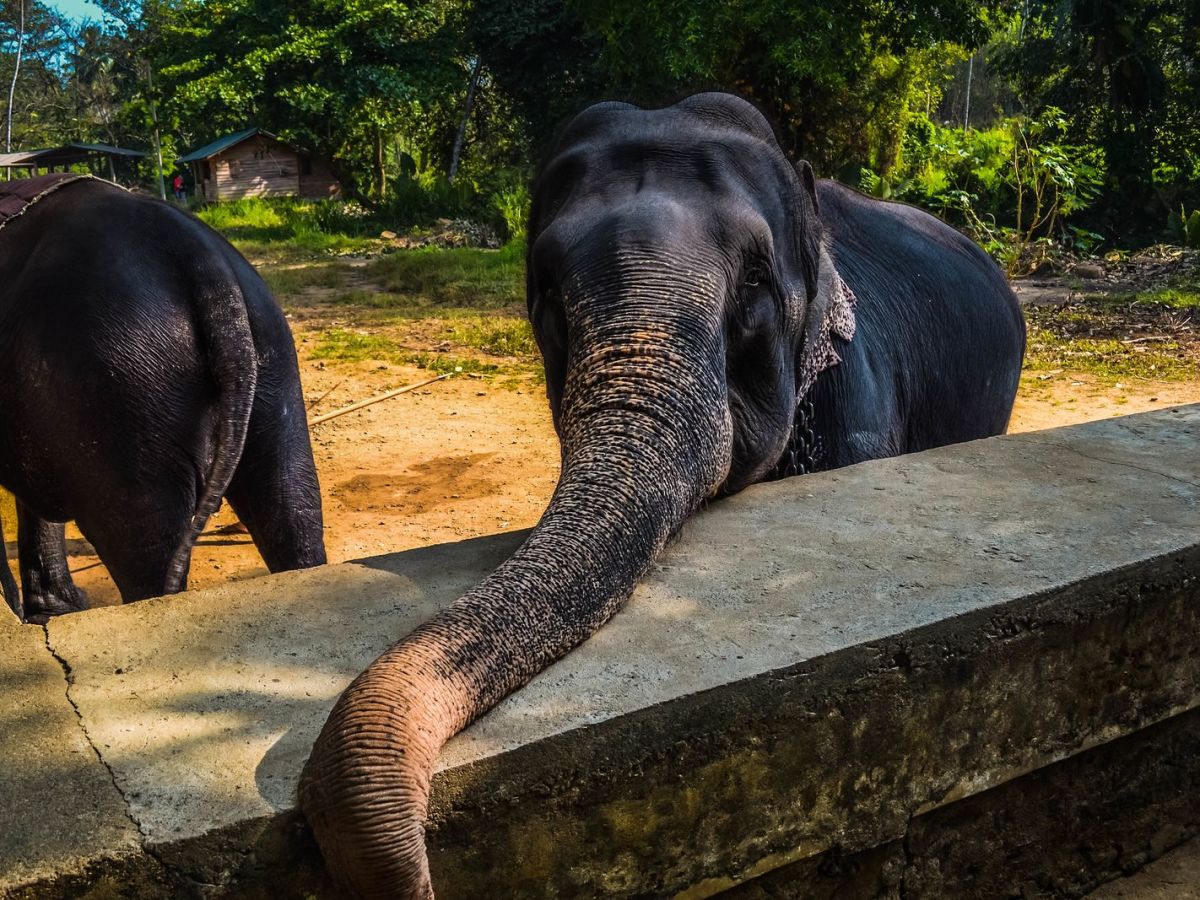
Habarana (Sri Lanka), an area frequented by elephants, with plenty of little villages and a rustic flavor! Habanara is home to the incredible wildlife and beautiful safari places where you can submerge yourself in the wild and local cultures. You can visit places like the Yala National Park, Minneriya National Park, and many of the surrounding places that are located just a few minutes away. Habarana is the best place to be for an off the beaten path interactive and relaxing adventure.
Daily Summary
Day 8
Habarana
Discover Polonnaruwa
Today you will be driven approximately 1 hour to Polonnaruwa to discover everyday life in the local villages. There is no better way to explore than pedaling on two wheels and taking the less traveled back roads (Please Note: The trail is approximately 13km and mostly flat terrain). The first section of the trail will take you along the canal, where you will see the locals using small wooden bridges to cross the canal! Travel along many lakes and observe the techniques of the local fisherman, all while keeping an eye out for the resident birdlife. En route, you will stop at a scenic location to enjoy picnic-style snack break.
Notes: Your cycling guide for the trail will be a villager from the area itself and fluent English doesn't come to them naturally. But he will make up for it with his typical Sri Lankan hospitality and in depth knowledge of the area. The trail is approximately 13 KMs in distance and anyone with decent fitness and cycling balance can manage it since its mostly flat terrain.
Next, enjoy a feast of rice and ten varieties of curry at a local restaurant bordering the scenic rice fields, away from the main roads. The Sri Lankan version of Rice & Curry is something not to miss while visiting the country. The locals will curry literally everything ranging from meat, tubers, lentils, vegetables and even fruits. Take it slow and enjoy the difference in each item, which all blends in perfectly to create a unique taste.
Tip: One golden rule when eating rice and curry is that you have to leave aside cutlery and use your fingertips to mix the food and gently push into the mouth with your thumb. Try to master that art while you are here but don’t worry if you really want some cutlery they will provide it.
Afterward, continue exploring this ancient city. Grand Palaces-Check! Monumental Stupas-Check! Life carved into harsh granite-Check! These are the things to look for at Polonnaruwa, which perfectly displays the divine right of the King and his ardent devotion to the philosophy of Buddhism. Ranging from the colossal remnants of King Parakramabahu’s palace, which was equal in splendor to the palace of Kubera, to the place where the stonemasons of yore showcased their greatest work in the mystical yet serene Image House at the Gal Vihara showcasing the infinite wisdom and overflowing kindness of Lord Buddha etched from the bedrock.
Recognized as one of the best-planned archaeological relic sites of the country, Polonnaruwa will impress you with its remarkable sculptures and temples with intricate carvings. You will be surprised to see most of the ruins are still in good shape even after 800 years. Another highlight of Polonnaruwa is its population of toque macaques. These monkeys have been residing in the ruins since the human occupation and still continue living there long after the humans left. (This service is on a private basis.)
Daily Summary

Day 9
Habarana - Elkaduwa
After checking out of your hotel in Habarana, you will make your way to Elkaduwa for another unique experience (drive duration: 3 hours). Upon arrival, check-in and settle into your new hotel.
Later in the afternoon, set out on a short walk to the waterfall located on the estate premises.
Yes, you read it right! Not many hotels could boast of having a natural waterfall within its land and Ashburnham is one of those very few. The walk goes through tea bushes and old estate steps. There is one tall waterfall and several other cascades and plunge pools, all lovely little hideaways at which to cool off, lay back and chill out. The Cascade pool, halfway down the steps to the main waterfall makes a perfect late afternoon spot for drinks overlooking the valley below. Cool off with a dip while having a cold beverage in hand.
Elkaduwa
Elkaduwa is a small village located inside of the Matale District. It is small and magical enough to be reached by two main roads, from Ukuwela and Wattegama. The village may be remote but it is located near other main places such as Kandy. Experience mother nature one on one in this off the beaten path paradise.
Daily Summary

Day 10
Elkaduwa
The History of Tea
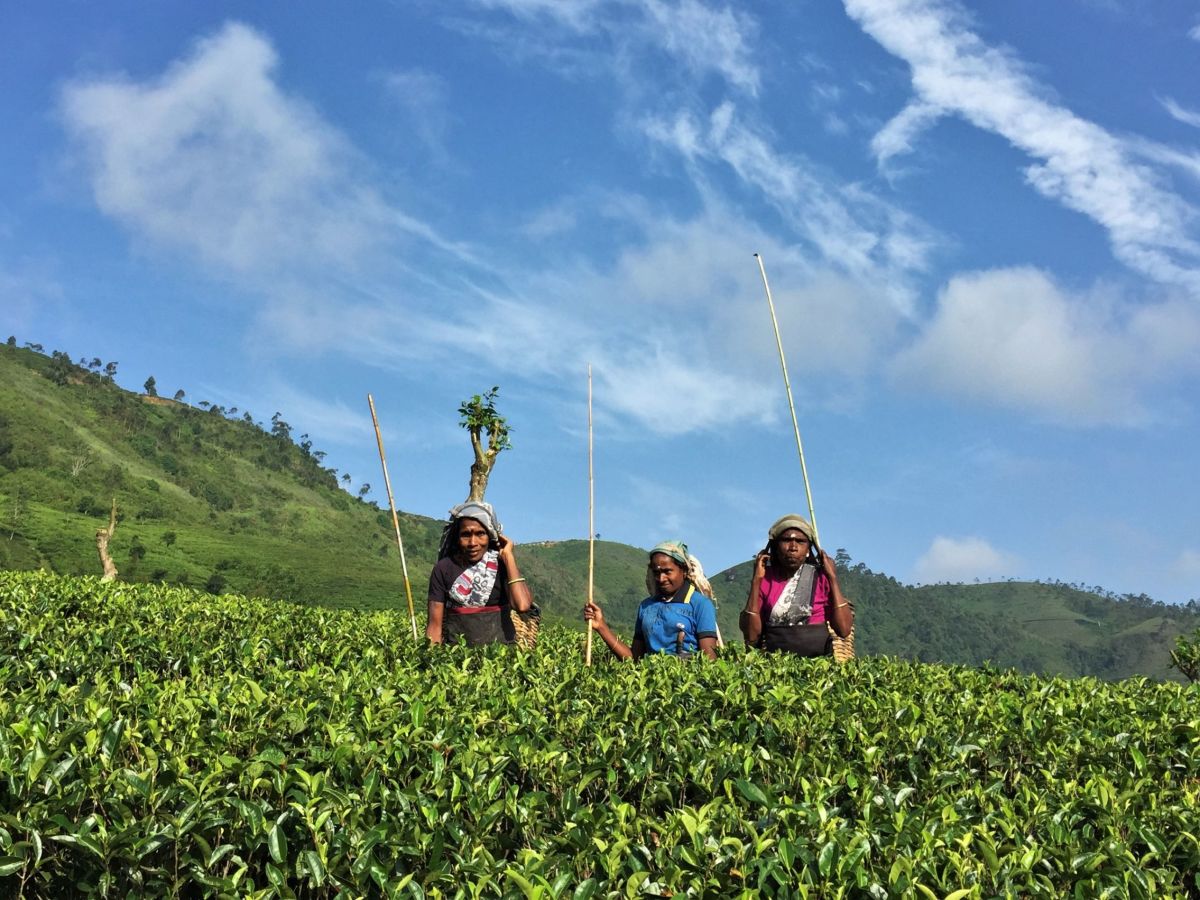
This morning, join Mr. Das, the superintendent of the Estate, to learn about the history of tea! Start by learning the art of picking tea alongside tea pickers and see how they handpick the best "shoots" (two leaves and a bud). Afterward, try your tea tasting skills! This experience helps you identify various grades grown in different altitudes of the country ranging from low country, mid country, to up-country.
In the afternoon, go on a short hike to One Tree Hill and enjoy a high tea at the top (total duration: approx. 2- 3 hrs; total distance: approx. 7km). This is an easy but lovely walk partly along the road, through the local villages, past temples, and along off-road tracks up to the final peak. As you enjoy the tea from the top, you can see the Estate, nestled between the jungle and tea fields.
Daily Summary
Day 11
Elkaduwa - Colombo
After a wonderful time in Elkaduwa, you will begin the journey to Colombo for your last night. (total driving duration: approximately 2.5 hours).
Culinary Ceylon
Later this evening we head out to the Dutch Hospital shopping precinct for an unforgettable gastronomic experience. It will be a seven-course menu that will pay homage to some of the staple food of the Sri Lankans living especially in and around Colombo which happens to be a melting pot of different ethnicities.
Starting off with a cocktail made with Arrack, the favorite drink of the masses served with a classic finger food such as chickpeas or Isso Vadai, the rotating menu will feature some classics such as hoppers or samosas, a portion of rice served with a Black pork curry or a Fish Ambul Thiyal and either curd & treacle or Watalappan for dessert, an accurate representation of the different ethnicities who have each brought in their culinary influences into this city and country. Adding much needed substance to this experience would be your host and curator who will exquisitely present the stories and history behind each dish that will be served. The meal will end the traditional way, with a cup of tea – a ginger plain tea to be precise and the perfect finale for a quintessentially Sri Lankan experience. (This service is on a group basis.)
Note: Please inform us of any dietary restrictions in advance so that the menu can be adjusted accordingly.
Colombo
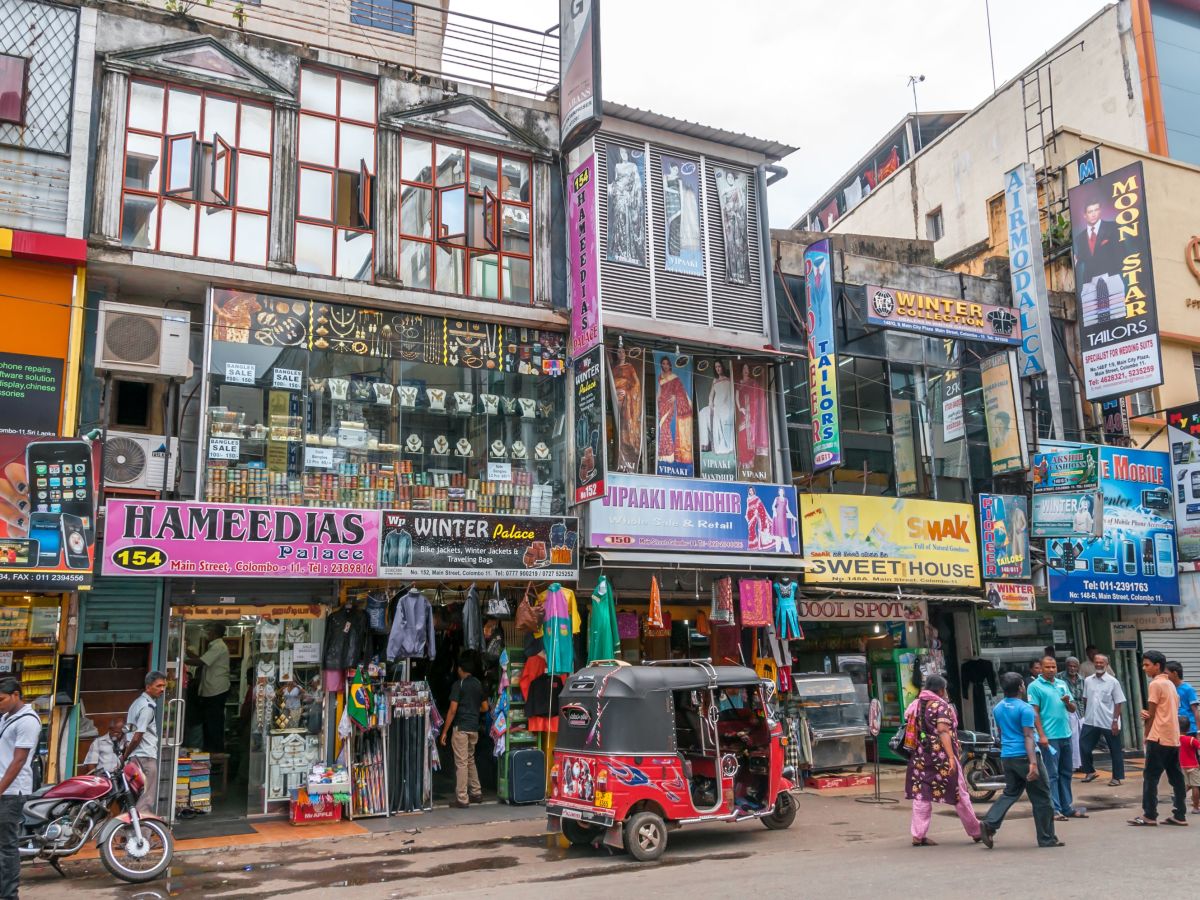
Colombo, the capital of Sri Lanka, has a long history as a port on ancient east-west trade routes, ruled successively by the Portuguese, Dutch and British. That heritage is reflected in its its architecture, mixing colonial buildings with high-rises and shopping malls. The imposing Colombo National Museum, dedicated to Sri Lankan history, borders sprawling Viharamahadevi Park and its giant Buddha.
Daily Summary
Day 12
Colombo Departure
Sadly, it's time to leave the isle of serendipity.
You will be transferred to the airport in good time to board your international departure flight.
We hope you have had an incredible adventure and wish you safe and happy travels home!
Daily Summary
Accommodation
| Accommodation | Location | Details |
|---|---|---|
| Ambarella Lodge | Dunagaha, Sri Lanka | |
| The Ibis | Wilpattu, Sri Lanka | |
| Fox Resorts Jaffna | Jaffna, Sri Lanka | |
| Elephant Watch Hut | Habarana, Sri Lanka | |
| Ashburnham Estate | ||
| Residence by UGA Escapes | Colombo, Sri Lanka |
Dunagaha, Sri Lanka
Ambarella Lodge

Wilpattu, Sri Lanka
The Ibis

Jaffna, Sri Lanka
Fox Resorts Jaffna

Habarana, Sri Lanka
Elephant Watch Hut

Ashburnham Estate

Colombo, Sri Lanka
Residence by UGA Escapes

Why Travel With Us

Authentic Experiences
The perfect trip exists. The perfect lodge, the perfect tour guide, the perfect sunrise hike and the perfect cultural experience are all out there, and we would like to help you find them.

Unprecedented Planning
We love logistics and our planning process is second to none. Based on firsthand experience, our travel specialists will design you a customized itinerary ensuring your trip will be memorable and authentic.

Extraordinary Service
Global Basecamps offers the best customer service the specialty tourism industry has to offer. We’re by your side from beginning to end, making sure everything goes perfectly.

Positive Impacts
Our trips directly benefit the local communities you visit. We work exclusively with like-minded partners who help ensure tourism has no negative impacts on the environment, culture and economy of your destination.
Meet Your Travel Specialist

Laura Hagler
Travel Specialist
Laura grew up in Missouri counting the days till she could set off and see the world. After jumping at the chance to study abroad in the UK and travel through Europe and Africa, she returned to Florida Atlantic University to complete her Sculpture degree. Following her interest in Asian Art and heeding her ever-growing wanderlust, she moved to rural Japan to live and work for the next five years. A passion for road tripping and mountains led her to explore and hike her way through the hidden corners of Japan, obsessing over museums, temples, and dodging the occasional monkey. Living in Asia was a dream come true and allowed her to dive with sharks in Sipadan, taste the finest street food in Yangon, celebrate New Years on the banks of the Ganga, and trade recipes with the local grandmas in Japan's onsen. She loves to help her clients soak up the unique culture of the countries they visit. Talk to Laura about travel to Asia, Southeast Asia, Oceania and more.
Details
Price Includes
-Accommodation as indicated-Meals as mentioned
-All transport as mentioned by air-conditioned vehicle
-Tours/activities as mentioned including:
-Village Tuk Tuk Ride and Lunch at local house in Dunagaha
-Meet the Manjas; Music of the Ceylon Africans
-Full Day Safari at Wilpattu National Park
-Train Ride from Anuradhapura to Jaffna
-Sightseeing in Jaffna and Delft Islands with meals at local houses
-Ritigala Archaeological Monastery
-Pedal Through Backroads of Polonnaruwa (Village Cycling Tour)
-Lordly Lunch in Polonnaruwa; A Rice & Curry Feast
-Visit ancient city of Polonnaruwa
-Gin & Tonics at the Waterfall at Ashburnham Estate
-The Story of Tea and Tea Tasting at Ashburnham Estate
-Hike to One Tree Hill followed by High Tea at the top
-Savoring Serendipity; A Sri Lankan Fine Dining Experience
-Professional English-speaking guide during tours
-Entrance fees for all sights visited
-Full support before, during & after your trip
-Bottled drinking water available in the vehicles
Price Excludes
-International Flights-Domestic Flights
-Travel insurance (ask us for a quote)
-Entrance visa when applicable
-Electronic Travel Authorization fee for Visas upon arrival (Please note that an ETA is compulsory)
-Optional tours
-Early check-in/Late check-out
-Tips and gratuities to guides, drivers
-Expenses of a purely personal nature
-Other services not mentioned
We Offset Your Flight Emissions