The Global Basecamps Blog

Best of Basecamps: Awasi

7.6.2012
by elias

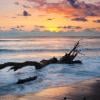
Awasi SuiteChile’s Atacama Desert is home to salt flats, snowy peaks, unique desert culture, hot springs, and even a few luxury resorts, but if you didn’t stay at this particular luxury resort during your last visit here, you didn’t do it right. This week we’d like to feature one of our favorite hotel properties in the world, Awasi. Hidden away in one of the most secluded corners on the planet, you wouldn’t expect to find world-class gourmet food, perfectly personalized service, and jaw dropping accommodations, but lo and behold, it’s all there.

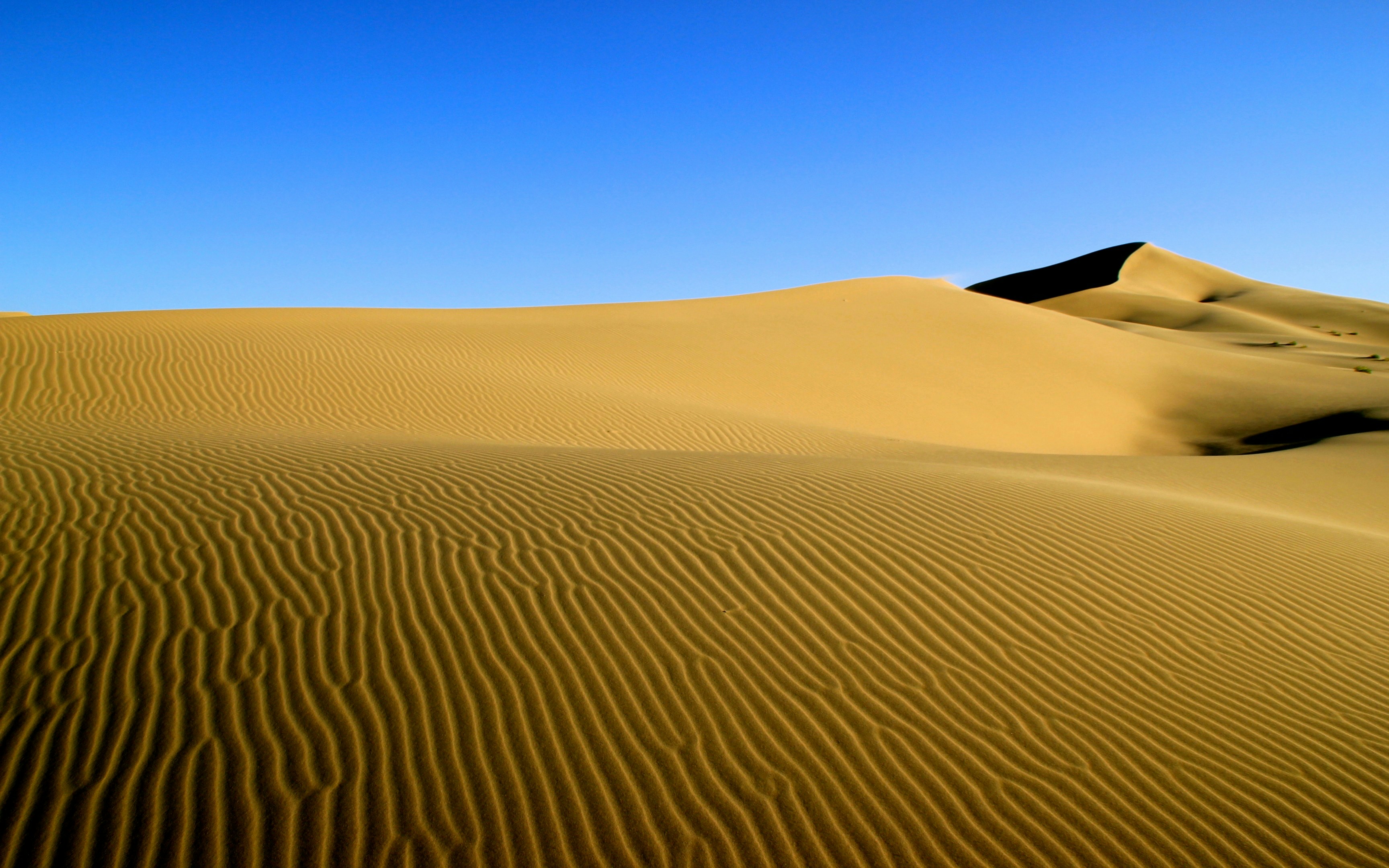
We won’t act like the main attraction to Awasi isn’t the Atacama Desert itself, because it is. One cannot deny the awesomeness of the mountains surrounding it, nor the vastness of the empty, arid desert. This geological nook is home to much of Chile’s ancestral heritage, thanks to the water springs that dot the landscape, and any trip to South America should include this place whether you are backpacking or going Awasi-style. Like any other desert, temperatures here fluctuate between night and day, but daytime temperatures are nearly always perfect (72°-82° year round). Named a desert thanks to its low rainfall, water still makes an impactful presence here, as thermal pools, geysers and marshes burst their way through the dry ground, giving life to Atacama’s strangely varied flora and fauna.

Surf Credits Give Back to Surf Tourism Destinations

6.18.2012
by elias

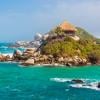
Surf CreditsWe are always excited to introduce a new opportunity to give back to the travel destinations we love, and as Californians, we are personally all surfers at heart, whether we surf or not!

A new initiative was launched at the Volcom Fiji Pro this month that will help surfers give back to surf tourism destinations. Surf Credits is a groundbreaking partnership between 3 non-profits, the San Diego State University Center for Surf Research, the Surf Resource Network, and iJourneyGreen. Here's how it works. You go to the Surf Credits website, select a destination you want to support, then select a non-profit organization working that destination you want to support. Go to the check out and buy one or more $25 tax deductible surf credits. 83% goes to the non-profits in destinations and related research. In return for the Surf Credit you get discount coupons.

How We Travel: Tanzania Wildlife and Culture

6.14.2012
by lauren

One of our own recently returned from her trip to Tanzania. She was kind enough to share some of her pictures and experiences with us! This is How We Travel.

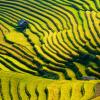
I just had the incredible opportunity to embark on a nine day safari through Tanzania’s Northern Circuit. This was my first time traveling to Africa, and it couldn’t have been a better introduction to this incredible continent. The safari not only highlighted the incredible wildebeest migration and big game, but also allowed us to interact with the local tribes, and gain a deeper understanding into their daily lives and culture.

Ready to go!

Day 1: After a long 24 hours of traveling from California, we arrived at Kilimanjaro Airport. Stepping off the plane onto the open airstrip and taking in our first breath of Africa was truly an experience in and of itself. On arrival we were met by the smiling face of our guide Francis. We loaded up the iconic Toyota Land Cruiser and were on our way to Arusha. Checking in at the charming Ahadi lodge around 11:30PM, exhausted and hungry, the kind and attentive staff were more than accommodating, and provided us with a hot and delicious three course meal. With our tummies full we went to sleep with dreams of Africa.

Global Basecamps' Bucket List Volume 2: India

6.4.2012
by elias

This week we are continuing our blog series featuring destinations around the world that we consider bucket list-worthy. We began the series by highlighting the Galapagos Islands, and today we continue on to the mesmerizing country of India.

India needs to be experienced by any and all who consider themselves world travelers. Home to roughly one sixth of the world’s population, it is impossible to have a complete picture of the human condition without experiencing life in India: smelling its scents, hearing its sounds, and meeting its people.

The Taj Mahal

The Golden Triangle

Consider for a second the scope of this country. There is no lens wide enough to encompass all it has to offer. Every website and printed resource tries to one-up the others with its description of the huge, foreign, and frankly a little weird, nature of this country. There are, however, a few ways to divide up the country into regions that can be individually visited and enjoyed.

The popular Golden Triangle consists of Delhi, the nation’s capital, Agra, home of the Taj Mahal and Agra Fort, and Jaipur, India’s “pink city.” Most first-time travelers to India consider this their introduction to the country, and rightly so. Delhi itself summarizes the sweeping history of India with its many temples, forts, districts and neighborhoods. Agra plays host to India’s most well known national landmarks and is proud of its “old school” feel as it welcomes millions of international travelers annually. In Jaipur you will find the Amber Fort, the City Palace, and the Palace of the Winds.

Visit the Camps of Born to Be Wild

5.24.2012
by elias

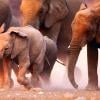
Orphan Elephants at PlayDocumentaries come and go, and sometimes they are as easily forgettable as they are initially impactful, but we think Born to Be Wild, a film directed by David Lickley, deserves a little more attention. Nature documentaries have always been commercially and critically successful, and over the last few years the popularization of marching penguins, along with BBC-produced hi-def documentary series have certainly raised the bar for commercial success. High definition, 3-D and IMAX formats, along with the narrations of a man named Morgan Freeman are the new formula it seems.

Documentaries are one thing, but when a popular film aims to educate young people about ecological conservation ethics in a new, fun way, we feel like we have to stand up and highlight it. Born to Be Wild is a movie aimed more directly at children than adults, though the big kids here in the office certainly enjoyed it. The short (45 minutes) film follows the stories of two sets of orphans, of the orangutan and elephant variety, as they are rescued on two different ends of the Indian Ocean by two dedicated women hoping to someday release them back into the wild. In what Morgan Freeman calls a “fairy tale” come to life, these orphans call to us in a familiar, Charles Dickens kind of way.

Syndicate content