

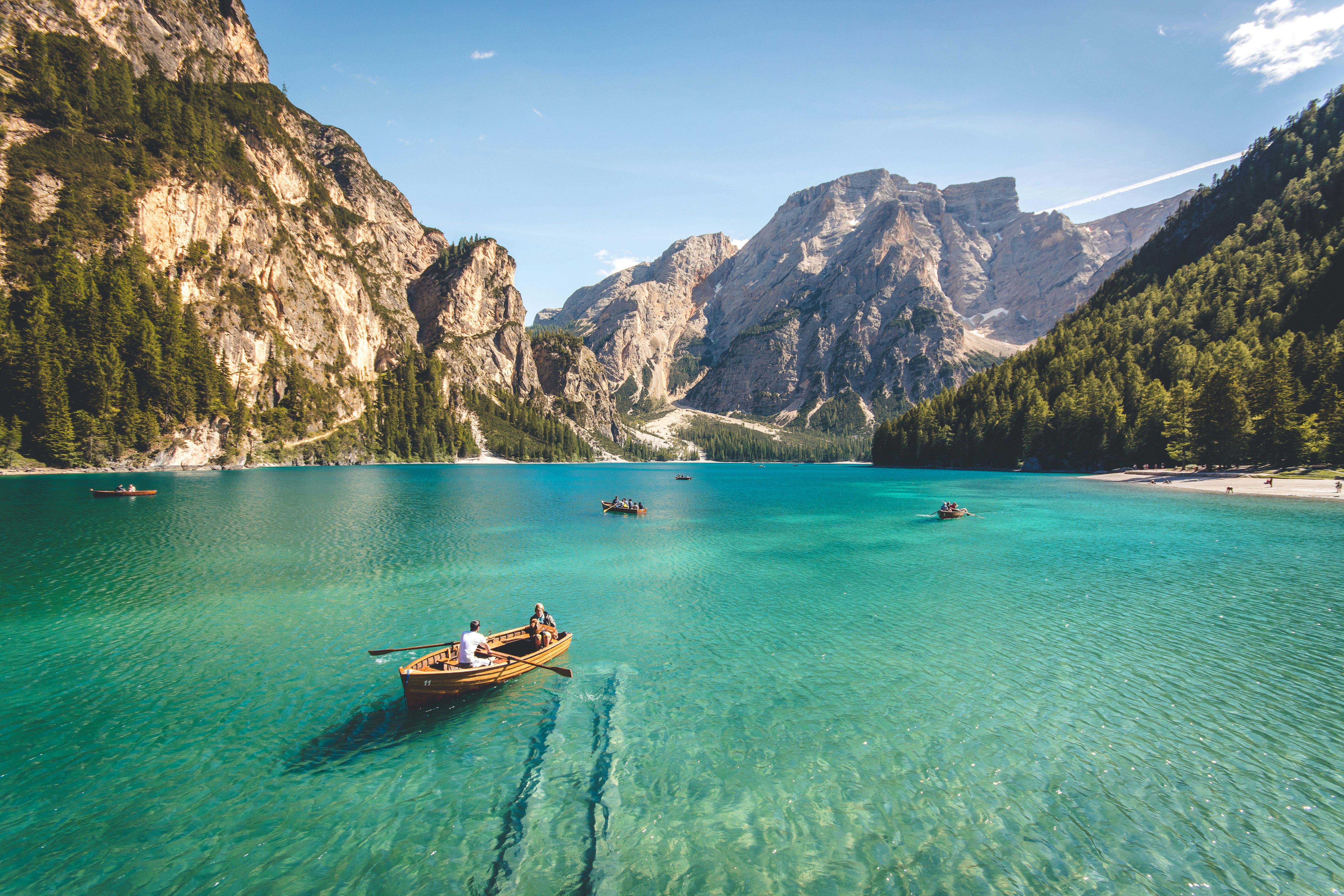
Instead of fighting your way through the malls and struggling to come up with great gift ideas, why not give your loved one the gift of travel? By giving the gift of travel you are offering someone an incredible experience that can broaden horizons, lead to self discovery, or simply offer a little relief from the day to day. We recently asked a few of our Facebook fans what has travel taught you? Here are a few of the responses they came up with.
MacKenzie: I have learned to try to stop judging people on their outward appearance and to try to drop expectations.
Deborah: Travel taught me to go with the flow and to realize that a smile means the same thing in any language!
An: Traveling has taught me that the unexpected moments are the most memorable.
This holiday season give someone the experience of a lifetime (and why not buy a gift for yourself and go with them?).
Being green travelers, we are constantly looking for ways to lessen our environmental impact and help the local communities of regions we visit. To minimize the negative impact of tourism we build our custom itineraries with lodges, hotels, and local tour operators that share the same mission on sustainability. Global Basecamps is teaming up with iJourneyGreen to take sustainable travel one step further. iJourneyGreen is a non-profit organization that helps travelers give back to the local communities they visit around the globe.
Travel Global. Give Global.
It all started with a love of travel and the feeling of a lack of enough ways to give back when traveling. "I really wanted to find a way to help travelers feel like they were making a difference, doing something tangible," says Co-Founder and Executive Director Jessica Finley. Through donations that support local organizations striving to improve the conditions of communities across the world, iJourneyGreen has created a more encompassing definition for sustainable travel. Finley believes that "to be able to give back to more than just the environment, but local projects which benefit the country to which the traveler is going" is what makes this organization truly unique. So, the idea of a Travel Credit™ was formed as a holistic approach to sustainable travel.
Given the plethora of tours and exotic destinations, planning an adventure can be both exciting and overwhelming. With so many distractions, the well-being of the people who support these incredible destinations are often overlooked. The consumer’s lack of awareness is a major underlying issue in this struggle for human justice. This next blog series will shed light on the ongoing socio-cultural impacts of the tourism industry as well as solutions that can be taken to prevent being a part of the problem.
Reaching the summit of Mt. Kilimanjaro, and inhaling the magnificence of the African safari is undeniably an experience of a lifetime. As you revel in the raw natural landscape, take a moment to ponder the contributing factors that went into making this glorious life changing moment a reality.
Bearing the Burden
Porters are undoubtedly the backbone behind any mountain expedition. These hard working individuals undertake the daunting task of carrying the enormous load of gear for the entire trekking group. Imagine the difficulty of climbing this challenging peak with as much as 66 lbs on your back? Bearing the burden, is only a portion of the hardships that the porters must face. The harsh environmental conditions and lack of proper equipment present various health implications including: exposure, hypothermia, frost-bite, altitude sickness, and in the worst cases, death. Many tourists misconceive the severity of the situation, by making the assumption that porters are accustomed to such extreme conditions. This premise is far from the truth, according to the International Porter Protection Group porters suffer from more accidents, illness and deaths than Western trekkers. Inadequate clothing, footwear, shelter, nourishment, medical care, insurance, and wages also contribute to the problematic life of the porter.
Ever cringed and declined when offered a strange looking dish in a new country? Gawked when you saw someone dressed strangely in a different nation? If so, then you are not being culturally responsible and respectable. A few weeks back we discussed how important is it to know before you go. Preparing for your adventure travels by learning the customs and traditions of your host country can help you avoid awkward situations. After living in Shanghai for 4 years, I’m here to give you a few tips on being culturally responsible in China.
If you are luckily enough to have a native guide in your travels to China, then you will get to enjoy the best local cuisines the country has to offer. Chinese food is shared and served family style on a rotating glass circle in the center of the table. Always arrive on time to dinner, as punctuality is valued in China and a demonstration of respect.
Sometimes it’s good to be an English speaker. It’s a language that twists and turns swiftly, with new words created ad hoc to accommodate current pop-culture phenomena. To the same end, old words are often joined together to give birth to lexical offspring that carry a meaning more precise than their “parents” could have ever accomplished pre-morph.
It’s through these blessed unions that we get to use words like gelmet (a gel-sculpted hair helmet) and jorts, the middle-aged man’s best friend. And as useless as a spork (spoon-fork hybrid) is, it carries just enough kitsch cache to warrant slipping it into conversation from time to time.
Another frankenword that’s gaining a lot of buzz around the adventure travel and eco-tourism worlds is glamping—otherwise known as: glamorous camping.
It was only a matter of time before roughing it went cash money millionaire. Although the days of pitching a humble tent are by no means gone, many trekkers today are looking for a little opulence while braving exotic territories.